Japan's Elderly Population Ratio Hits Record 29.4% in 2025 Census
AM730 · 2 SOURCES1 day ago2 MIN
Summary
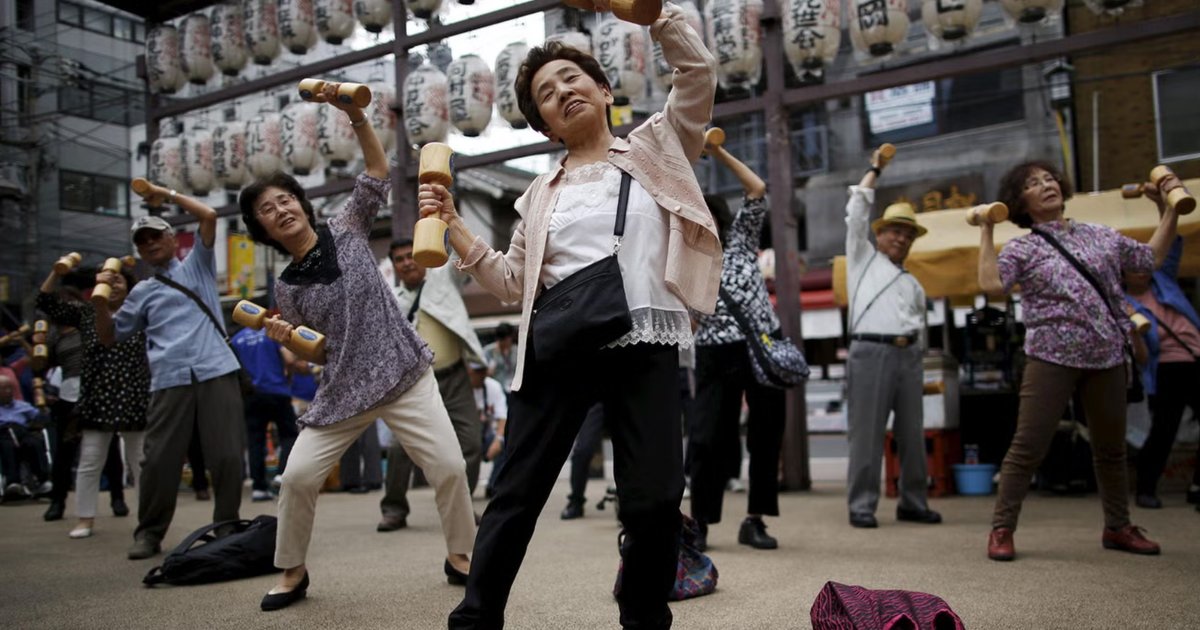
Japan's demographic crisis intensified as official census data confirmed the nation now has the world's oldest population structure. The Ministry of Internal Affairs and Communications released the 2025 census results on September 29, showing 29.4% of residents are aged 65 or older, a 0.9 percentage point increase from the previous survey five years ago. The total population including foreign residents dropped to approximately 122 million, representing a decline of about 3.17 million people or 2.5%. Meanwhile, the number of centenarians surpassed 100,000 for the first time since records began in 1963.
Key Points
- Japan's 65-and-above population reached 29.4% in 2025 census data released September 29, the highest ratio ever recorded
- Total population including foreigners fell to approximately 122 million, down 3.17 million (2.5%) from the previous census five years ago
- Centenarians numbered 107,677 as of September 1, surpassing 100,000 for the first time, with women comprising nearly 90%
- The National Institute of Population and Social Security Research projects elderly ratio will climb to 34.8% by 2040
- Japan's second baby boom cohort born between 1971 and 1974 will all be over 65 by 2040, further accelerating aging
Why It Matters
Japan's demographic decline poses fundamental challenges to economic growth, healthcare systems, and social welfare programs that depend on a shrinking workforce to support an expanding elderly population. For Hong Kong and other aging societies in the region, Japan's trajectory serves as a cautionary example of the long-term consequences of sustained low birth rates and prolonged life expectancy .
Japan's demographic decline poses fundamental challenges to economic growth, healthcare systems, and social welfare programs that depend on a shrinking workforce to support an expanding elderly population. For Hong Kong and other aging societies in the region, Japan's trajectory serves as a cautionary example of the long-term consequences of sustained low birth rates and prolonged life expectancy .