Iranian Boeing 737 Loses Tire After Takeoff, Ceiling Collapses Mid-Flight
AM730 · 2 SOURCESabout 2 hours ago2 MIN
Summary
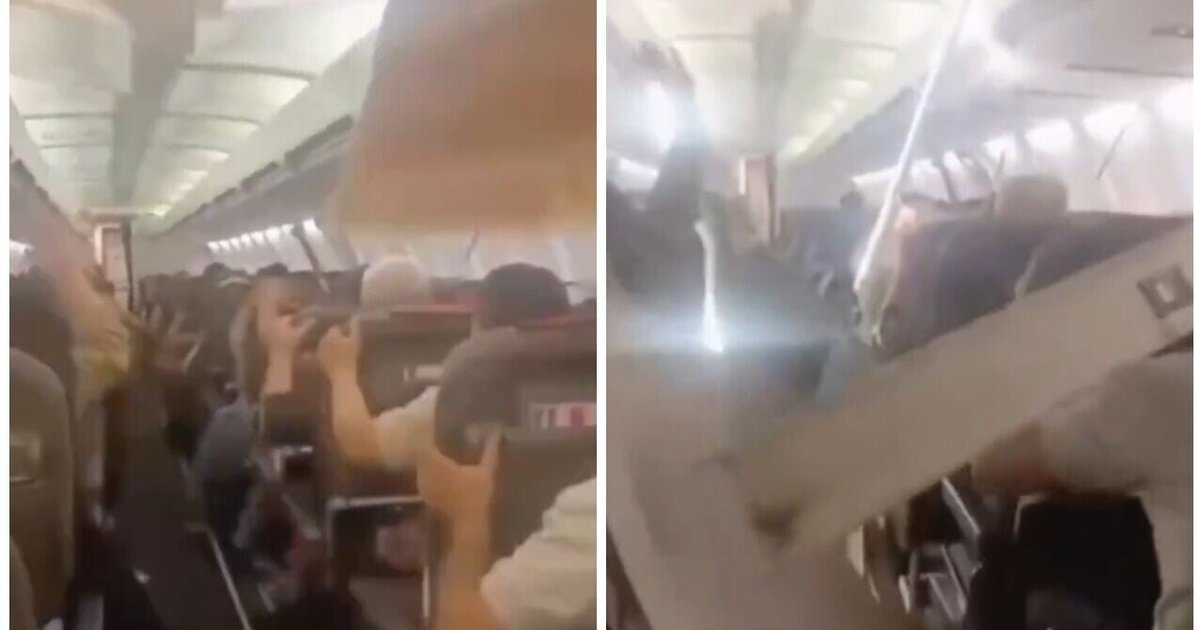
A Sepehran Airlines Boeing 737-500 suffered a catastrophic mid-flight failure on September 15 when a tire reportedly detached shortly after takeoff from Mashhad Airport, Iran, en route to Kermanshah. The incident caused engine damage, severe vibration, and the partial collapse of the aircraft's ceiling panels and overhead compartments, sending debris and luggage onto passengers below. Passengers screamed in panic as cabin crew declared an emergency, and the aircraft successfully returned to Mashhad Airport for a safe landing. All passengers and crew members survived unharmed. This marks the second aviation incident involving Sepehran Airlines at Mashhad Airport within a month, raising fresh concerns about aging aircraft and maintenance standards amid Iran's aviation safety challenges.
Key Points
- Sepehran Airlines Flight 2X37, a Boeing 737 operating a domestic route from Mashhad to Kermanshah, suffered a tire detachment shortly after takeoff on September 15 at approximately 5:00 PM local time
- The tire loss caused immediate engine damage and severe fuselage vibration, which violently tore the cabin ceiling panels open and collapsed overhead luggage compartments
- Online video footage captured passengers screaming and praying as debris and cabin components rained down, with some passengers captured in visible distress
- The flight crew declared an emergency and executed an immediate return to Mashhad International Airport, where the Boeing 737 landed safely with no casualties reported
- This incident represents the second reported aviation safety occurrence at Mashhad Airport involving Sepehran Airlines in approximately one month
- Aviation industry sources note that Sepehran Airlines operates a fleet with an average aircraft age of 30 years, with the oldest aircraft at 37 years
Why It Matters
The incident highlights systemic safety concerns surrounding Iran's commercial aviation sector, where aging fleets and critical spare parts shortages—compounded by years of international sanctions—create ongoing operational risks. The near-miss outcome will likely intensify scrutiny on Sepehran Airlines' maintenance protocols and prompt Iranian aviation authorities to reassess oversight measures, particularly given the airline's recent history of runway incidents .
The incident highlights systemic safety concerns surrounding Iran's commercial aviation sector, where aging fleets and critical spare parts shortages—compounded by years of international sanctions—create ongoing operational risks. The near-miss outcome will likely intensify scrutiny on Sepehran Airlines' maintenance protocols and prompt Iranian aviation authorities to reassess oversight measures, particularly given the airline's recent history of runway incidents .