Hebei Formaldehyde Cabbage Scandal: Officials Confirm Arrests, Launch Traceability
SingTao · 2 SOURCESabout 2 hours ago2 MIN
Summary
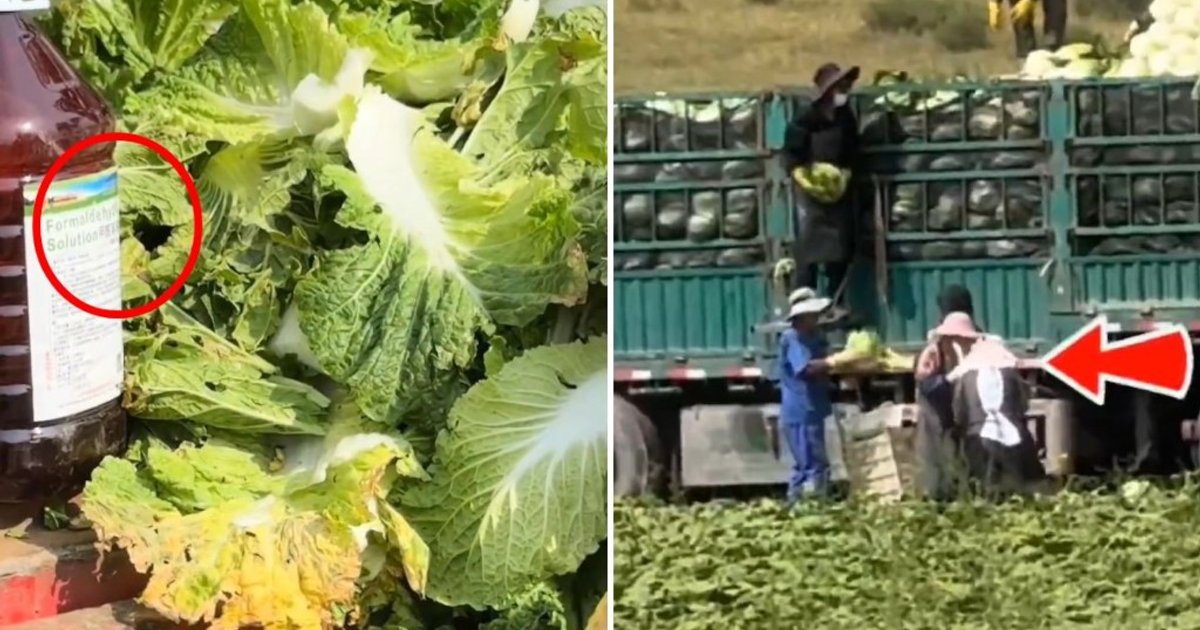
An environmental blogger exposed that workers in Hebei Province were soaking cabbage in formaldehyde solution before loading it onto transport trucks bound for eastern China. On August 22, the blogger documented the practice at a loading site in Tuncheng Town, Kangbao County, Zhangjiakou City, where multiple batches of cabbage were being dipped into the toxic chemical. Local government authorities confirmed the video's authenticity on August 23 and announced that relevant personnel and vehicles have been subjected to compulsory measures while tracing the distribution of contaminated produce continues. The blogger also reported finding formaldehyde in cabbage samples at a market in Hefei, Anhui Province, tracing them back to the Hebei source.
Key Points
- Environmental blogger Yu Lie Qige documented workers dipping cabbage in formaldehyde solution at a Hebei loading site on August 22
- One truck driver revealed the cabbage was destined for Suqian, Jiangsu Province, with workers claiming the treatment keeps produce fresh for two to three days
- The blogger independently tested cabbage at a Hefei market and confirmed formaldehyde contamination, tracing it to the Hebei origin
- Local authorities confirmed the incident on August 23, detaining involved personnel and seizing vehicles for investigation
- Enhanced testing protocols have been implemented across markets following the exposure, with officials stating contaminated produce should not spread beyond production areas
Why It Matters
Formaldehyde is a known carcinogen, and its unauthorized use in food preservation poses direct health risks to consumers who may unknowingly purchase treated vegetables. This incident exposes systemic vulnerabilities in China's agricultural supply chain, where profit-driven illegal preservation methods can circumvent safety oversight. The case underscores the critical role of citizen whistleblowers in food safety enforcement and highlights the ongoing challenge of ensuring traceable, safe produce reaching dinner tables across the nation.
Formaldehyde is a known carcinogen, and its unauthorized use in food preservation poses direct health risks to consumers who may unknowingly purchase treated vegetables. This incident exposes systemic vulnerabilities in China's agricultural supply chain, where profit-driven illegal preservation methods can circumvent safety oversight. The case underscores the critical role of citizen whistleblowers in food safety enforcement and highlights the ongoing challenge of ensuring traceable, safe produce reaching dinner tables across the nation.