Galaxy Universal Robot Retail Store Opens First Hong Kong Branch in Wan Chai
HK01 · 1 SOURCESabout 3 hours ago2 MIN
Summary
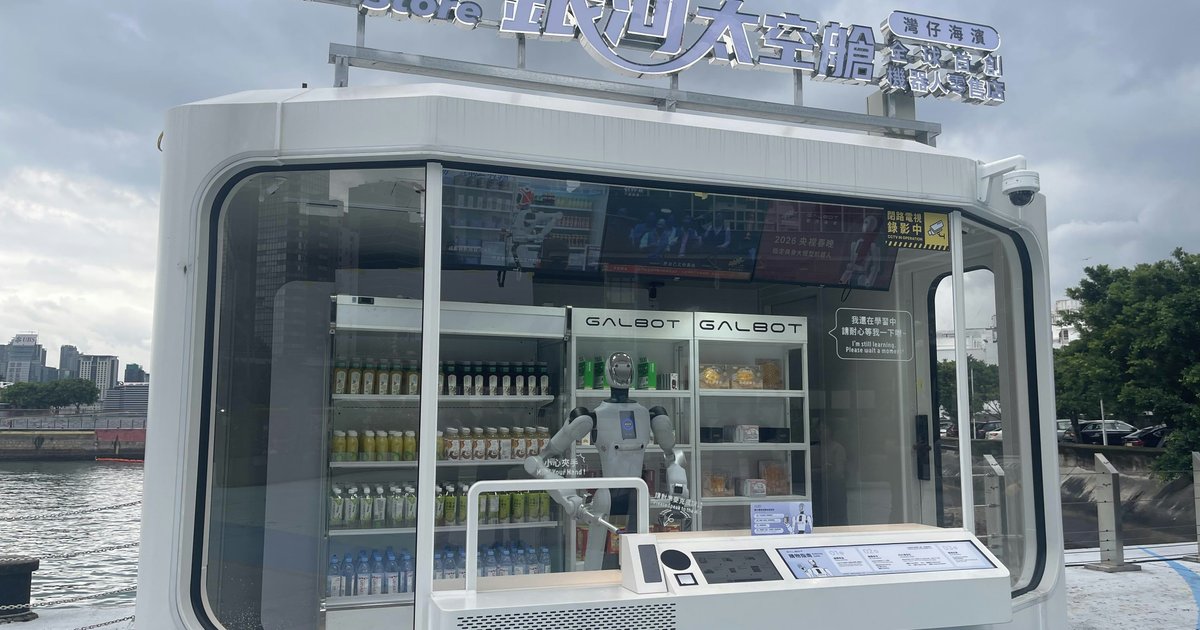
The Galaxy Universal Robot Retail Store officially opened its first Hong Kong location at the Wan Chai waterfront on September 1, 2026, drawing curious passersby and joggers. The unmanned shop sells bottled beverages, snacks, and Hong Kong-themed souvenirs, with drinks priced between HK$14 and HK$18. While some customers found the purchasing process slower than traditional vending machines, visitors expressed interest in returning as the technology matures.
Key Points
- The store is located at the Wan Chai waterfront, adjacent to the Cross-Harbour Tunnel entrance, accessible via a pedestrian bridge from Causeway Bay MTR station
- The shop offers bottled drinks, potato chips, and Hong Kong specialty souvenirs; the "Li Xiao'ai" small lime juice costs HK$14 while other beverages are priced at HK$18
- Mr. Li, a jogger who tested the store, said the purchasing process is slower than vending machines but expressed willingness to return with friends to see if it improves
- Mr. Zeng found the touchscreen purchasing speed acceptable but considered the HK$18 price point expensive compared to convenience stores
- Mr. Shi, a visitor from Shanghai, noted the technology is innovative, as over 200 robot autonomous retail stores operate nationwide, yet none exist in Shanghai
Why It Matters
The debut of Hong Kong's first Galaxy Universal Robot Retail Store signals the growing integration of autonomous retail technology into the city's urban landscape. With consumers offering mixed feedback on speed and pricing, the operator faces pressure to optimize the experience while competing against established convenience stores. The strong interest from both local joggers and mainland tourists highlights the technology's appeal as a novelty, but its long-term commercial viability will depend on resolving operational efficiency and pricing concerns .
The debut of Hong Kong's first Galaxy Universal Robot Retail Store signals the growing integration of autonomous retail technology into the city's urban landscape. With consumers offering mixed feedback on speed and pricing, the operator faces pressure to optimize the experience while competing against established convenience stores. The strong interest from both local joggers and mainland tourists highlights the technology's appeal as a novelty, but its long-term commercial viability will depend on resolving operational efficiency and pricing concerns .