Swedish Authorities Halt Hong Kong Girl's Deportation Over DNA Dispute; Parents Threaten Legal Action
SingTao · 3 SOURCESabout 3 hours ago2 MIN
Summary
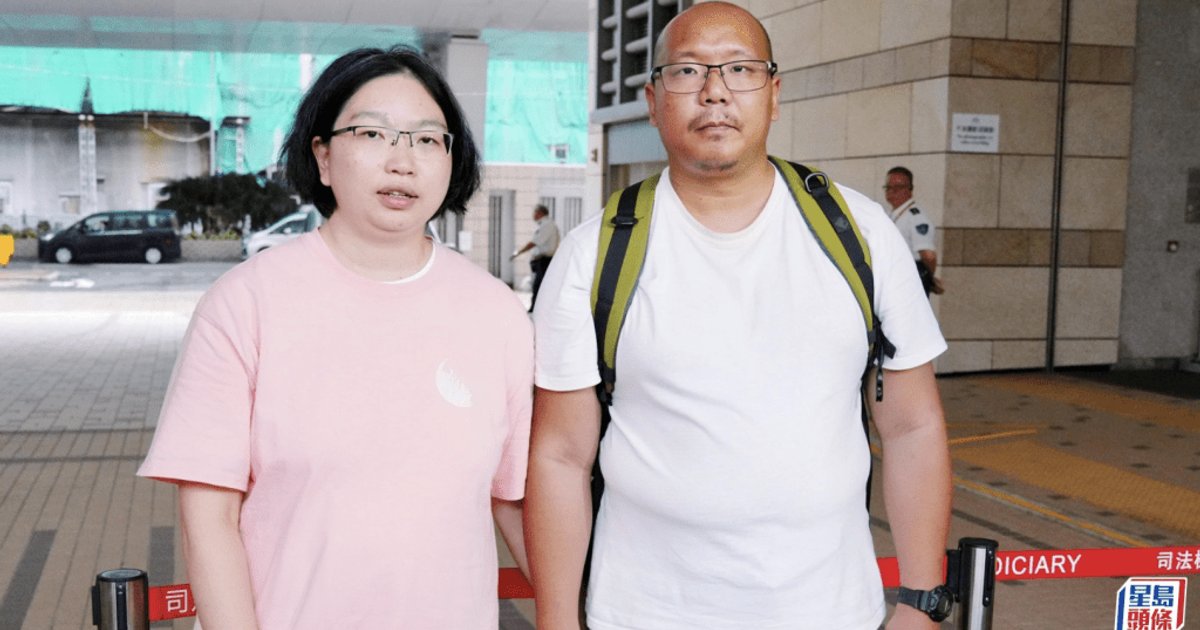
The "Save Lily" case has taken a significant turn as Swedish immigration authorities announced on Tuesday evening (October 13) that they will not proceed with returning the child to Hong Kong, citing their inability to collect DNA samples from Lily as demanded by Hong Kong authorities . The girl's parents, Zeng Weibang and Guan Peixian, issued a joint statement in the early hours of Wednesday (October 14) stating that they have written to the Hong Kong Immigration Department requesting it exercise discretionary power to allow Lily's return . The parents have set a deadline of Friday afternoon at 1 p.m. for a response, after which they will apply for an emergency judicial review in Hong Kong courts .
Key Points
- Swedish immigration authorities formally notified the family on October 13 that the deportation order is suspended because they cannot obtain Lily's DNA samples
- Hong Kong requires DNA verification of kinship before issuing a Hong Kong Special Administrative Region passport and confirming reception arrangements
- The parents are willing to provide their own DNA samples voluntarily, but Lily is under Swedish guardianship whose legal guardian opposes the sampling
- A Swedish district court is scheduled to hear Lily's custody case in November 2026, raising concerns she may be placed with a local foster family if no return plan exists
- The Immigration Department confirmed on October 15 that it has communicated with Swedish authorities through Hong Kong's diplomatic channels and that official kinship documents can be submitted
Why It Matters
This case highlights the complex jurisdictional challenges Hong Kong residents face when dealing with children caught between different legal systems, particularly regarding the collection and protection of genetic data under European privacy regulations . If the parents proceed with judicial review, it could set a precedent for how Hong Kong handles similar cases involving minors abroad and the balance between verifying citizenship and protecting children's best interests .
This case highlights the complex jurisdictional challenges Hong Kong residents face when dealing with children caught between different legal systems, particularly regarding the collection and protection of genetic data under European privacy regulations . If the parents proceed with judicial review, it could set a precedent for how Hong Kong handles similar cases involving minors abroad and the balance between verifying citizenship and protecting children's best interests .