UK Booksellers Alarmed as Rare Books Shipped to US for AI Training, Physical Copies Destroyed
AM730 · 1 SOURCESabout 2 hours ago2 MIN
Summary
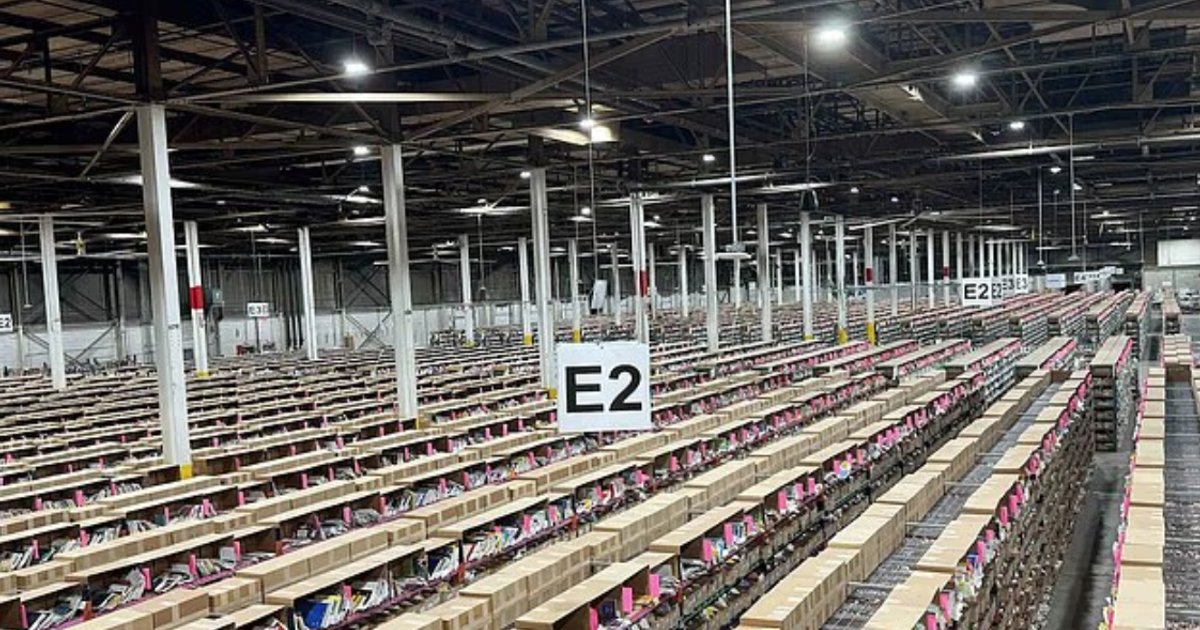
British second-hand bookshops have uncovered a mass purchase scheme by US buyers acquiring rare and out-of-print volumes on obscure topics including Hong Kong jewellery and South African history. Court documents reveal AI developer Anthropic's 'Project Panama' programme spent millions acquiring hundreds of millions of physical books for scanning and destruction as training data for its Claude chatbot. The discovery has sparked ethical concerns among UK booksellers who feel complicit in cultural destruction.
Key Points
- Lucy Hingston, owner of Compass Books in Devon, received bulk orders covering Peru geology, South African history, railways, and Hong Kong jewellery—topics with no apparent connection
- Court filings expose Anthropic's "Project Panama," reportedly spending hundreds of millions of dollars on physical books for scanning and subsequent destruction
- An internal memo allegedly states Anthropic wanted to keep the operation secret: "We do not want the outside world to know we are doing this"
- Anthropic previously trained models using over 7 million pirated ebooks, including 5 million from a single piracy website, settling a class-action lawsuit for $15 billion in August
- Dan Conway, chief executive of the UK Publishers Association, condemned tech firms for using copyrighted content without authorisation, harming authors and creative industries
- Bookseller Finn Windle from York stated his shop would not have sold books knowing they would undergo destructive scanning
Why It Matters
The revelation highlights growing tensions between AI development needs and cultural preservation, as companies increasingly target physical archives to feed language models. UK publishers warn that destroying out-of-print books could erase cultural records that may only exist in printed form, raising questions about intellectual property rights in the AI era .
The revelation highlights growing tensions between AI development needs and cultural preservation, as companies increasingly target physical archives to feed language models. UK publishers warn that destroying out-of-print books could erase cultural records that may only exist in printed form, raising questions about intellectual property rights in the AI era .