Italian Dermatologist Proposes Mona Lisa Subject Had Autoimmune Alopecia
Bastillepost · 2 SOURCESabout 3 hours ago2 MIN
Summary
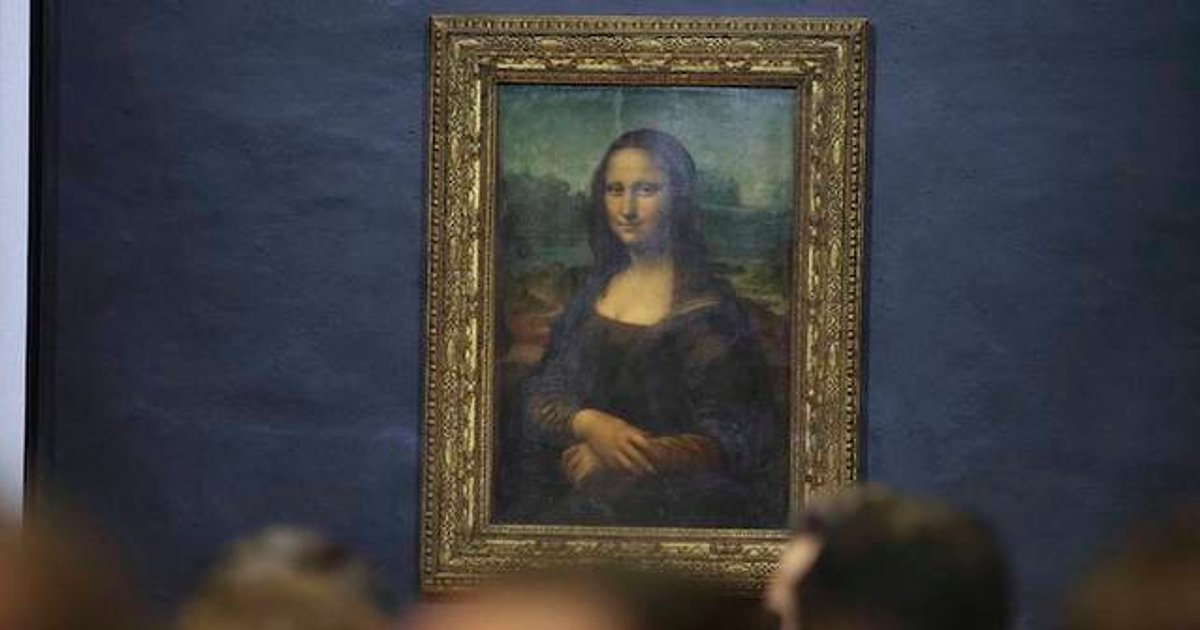
An Italian dermatologist has proposed a new medical theory about the identity of the woman depicted in Leonardo da Vinci's iconic Mona Lisa painting. Dr. Luigi Laino published research in August 2026 in the journal Clinics in Dermatology, arguing that Lisa Maria Gherardini—the painting's subject—may have suffered from alopecia areata, an autoimmune disease that causes hair loss . The theory offers a fresh perspective on features that have long puzzled art historians, including her distinctive lack of eyebrows and eyelashes.
Key Points
- Dr. Luigi Laino (Luigi Laino) identified four characteristics in the Mona Lisa matching alopecia areata: absent eyebrows, missing eyelashes, a doll-like hairline, and flawless skin .
- The subject, Lisa Maria Gherardini, married a silk merchant at age 15 and gave birth to six children before turning 30, with two dying in infancy .
- Previous theories suggested her facial features reflected Renaissance beauty standards, gradual paint fading, or incomplete artistic technique by da Vinci .
- In 2007, multispectral imaging revealed an eyebrow beneath the paint surface, which Dr. Laino interprets as a clinical symptom of severe autoimmune attack rather than faded original work .
- The research challenges a 2018 Harvard Medical School hypothesis that her appearance indicated postpartum thyroid dysfunction .
Why It Matters
This medical detective work demonstrates how modern dermatological knowledge can offer fresh insights into centuries-old artistic mysteries. The theory illustrates how psychological stress—combined with hormonal fluctuations from multiple pregnancies—may trigger autoimmune-related hair loss in susceptible individuals . For Hong Kong readers, this research resonates given the territory's high prevalence of alopecia areata, which affects approximately 1 in 1,000 people locally, making the connection between stress, immune function, and hair loss particularly relevant .
This medical detective work demonstrates how modern dermatological knowledge can offer fresh insights into centuries-old artistic mysteries. The theory illustrates how psychological stress—combined with hormonal fluctuations from multiple pregnancies—may trigger autoimmune-related hair loss in susceptible individuals . For Hong Kong readers, this research resonates given the territory's high prevalence of alopecia areata, which affects approximately 1 in 1,000 people locally, making the connection between stress, immune function, and hair loss particularly relevant .