TV Probe Targets Suspected Vice Massage Shops in Ma On Shan
SingTao · 1 SOURCESabout 2 hours ago2 MIN
Summary
TVB current affairs programme Scoop said it spent more than six months investigating suspected vice massage shops operating inside two neighbourhood malls in Ma On Shan. In the first episode aired on August 31, the programme showed undercover footage and interviews that it said pointed to sexual services being marketed as massage treatments
Key Points
- A merchant identified as Mr Chung told the programme that the malls are near an MTR station and in a desirable school network, but scantily dressed women and male massage customers have become common over the past two to three years
- The programme said female enquirers were told no foot massage or body-care services were available, while a male undercover staff member was asked whether he had a booking and was told the day was fully reserved
- Men interviewed after leaving the shops told the crew that one-hour massage sessions cost HK$500, while “special services” were quoted at HK$700 and in some cases HK$1,200
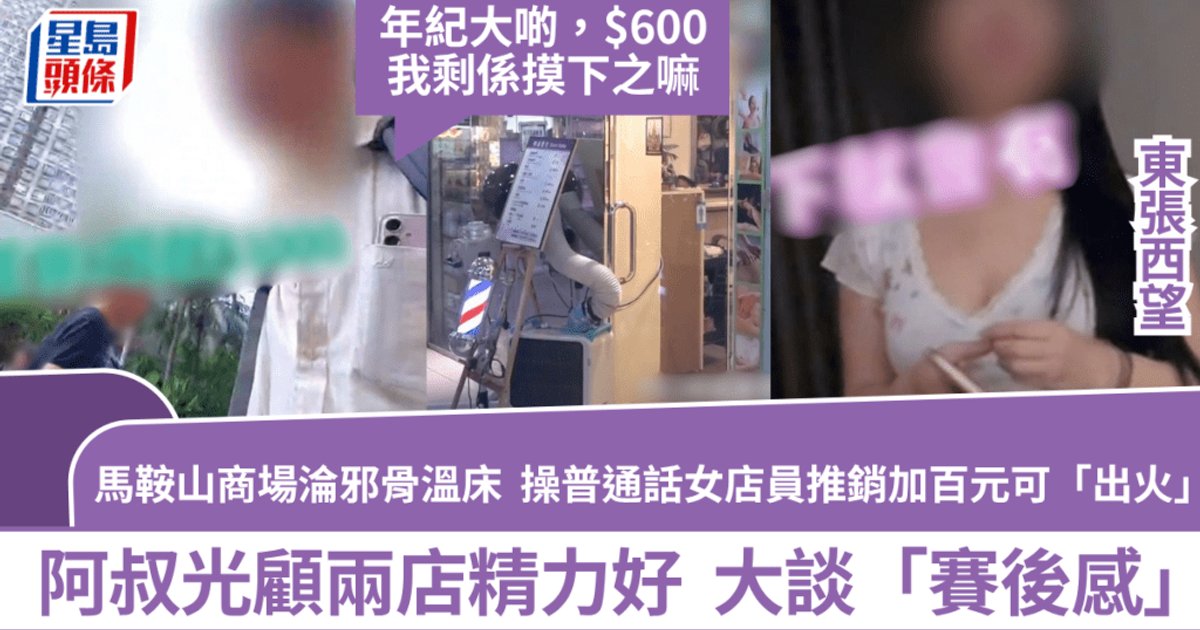
- One middle-aged customer was filmed visiting one massage shop for about an hour before going to another nearby beauty massage outlet, later saying he had paid HK$600 for touching only and that a more explicit act would cost HK$1,000, with “everything included” in sexual services
- In preview footage, a masseuse was heard telling the undercover worker that a regular massage cost HK$500 and an extra HK$100 could provide a sexual release service; barrister Luk Wai-hung said unlicensed full-body massage covering the area below the shoulders and above the knees could be illegal, carrying a maximum first-conviction penalty of a HK$50,000 fine and six months’ jail
Why It Matters
The allegations concern neighbourhood malls used by families, tutorial centres and art studios, raising pressure for closer scrutiny of licensing and enforcement in everyday community spaces. Scoop said it would continue the investigation in a follow-up episode on September 1, suggesting further public attention on whether authorities act on the claims