Japan's Aging Crisis: 9 Million Elderly Singles, 52,000 Unclaimed 'Lonely Deaths' Yearly
SingTao · 1 SOURCESabout 2 hours ago6 MIN
Summary
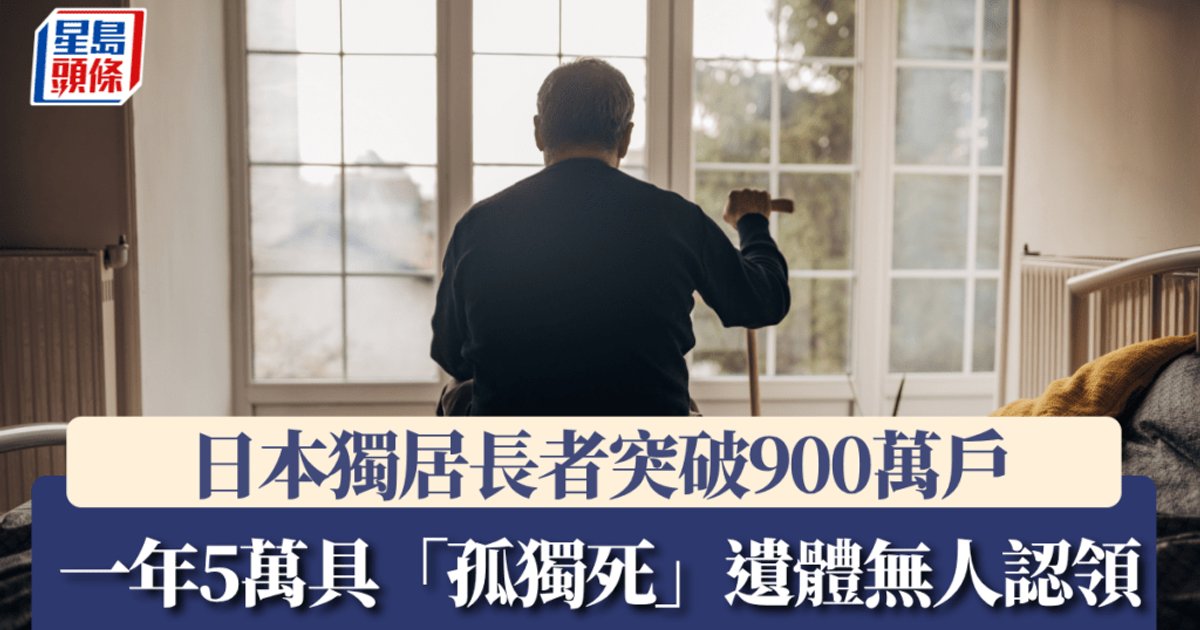
Japan is facing a deepening demographic crisis as its elderly population continues to grow rapidly. The number of single-person households among seniors has reached a historic high, while "lonely deaths"—where individuals die alone and remain undiscovered for days—have become increasingly common. This trend has created not only a social challenge but also a black market for unscrupulous businesses seeking to profit from the tragedy. The issue has drawn attention from media outlets and local governments struggling to address the needs of aging citizens while preventing exploitation.
Key Points
- Japan now has 9.03 million single-person elderly households, the first time exceeding 9 million since records began, according to the Ministry of Internal Affairs and Communications' National Living Conditions Survey
- In 2024, unclaimed "lonely death" bodies totaled 52,000, representing approximately 3 percent of all deaths nationwide
- Local governments bear an annual financial burden of about 120 billion yen (approximately 6.2 billion Hong Kong dollars) for handling unclaimed remains, as Japanese law does not mandate non-immediate family members to handle deceased persons' affairs
- One Tokyo-registered funeral company was found storing bodies in abandoned rural residences near Tokyo, without air conditioning, crammed into large stainless steel refrigerated containers after collecting over 1,000 lonely death cases annually from local governments
- Under Japan's funeral assistance system, operators handling deceased救济 recipients can receive up to 210,000 yen in subsidies; some unscrupulous companies charge 165,000 yen per case while providing substandard services
Why It Matters
The systematic exploitation of Japan's elderly by unethical funeral operators exposes a troubling gap in social welfare oversight, where profit-seeking entities capitalize on vulnerable populations with minimal regulatory checks. As Japan's senior population grows, Hong Kong and other aging Asian societies face similar demographic pressures and should develop robust safeguards before similar crises emerge. The Funabashi model, which encourages elderly singles to purchase prepaid funeral insurance through welfare committees, offers a potential template for proactive community-based solutions.
The systematic exploitation of Japan's elderly by unethical funeral operators exposes a troubling gap in social welfare oversight, where profit-seeking entities capitalize on vulnerable populations with minimal regulatory checks. As Japan's senior population grows, Hong Kong and other aging Asian societies face similar demographic pressures and should develop robust safeguards before similar crises emerge. The Funabashi model, which encourages elderly singles to purchase prepaid funeral insurance through welfare committees, offers a potential template for proactive community-based solutions.