Government Partners with Six Chambers to Create 10,000 Graduate Positions Over Two Years
Bastillepost · 2 SOURCESabout 2 hours ago2 MIN
Summary
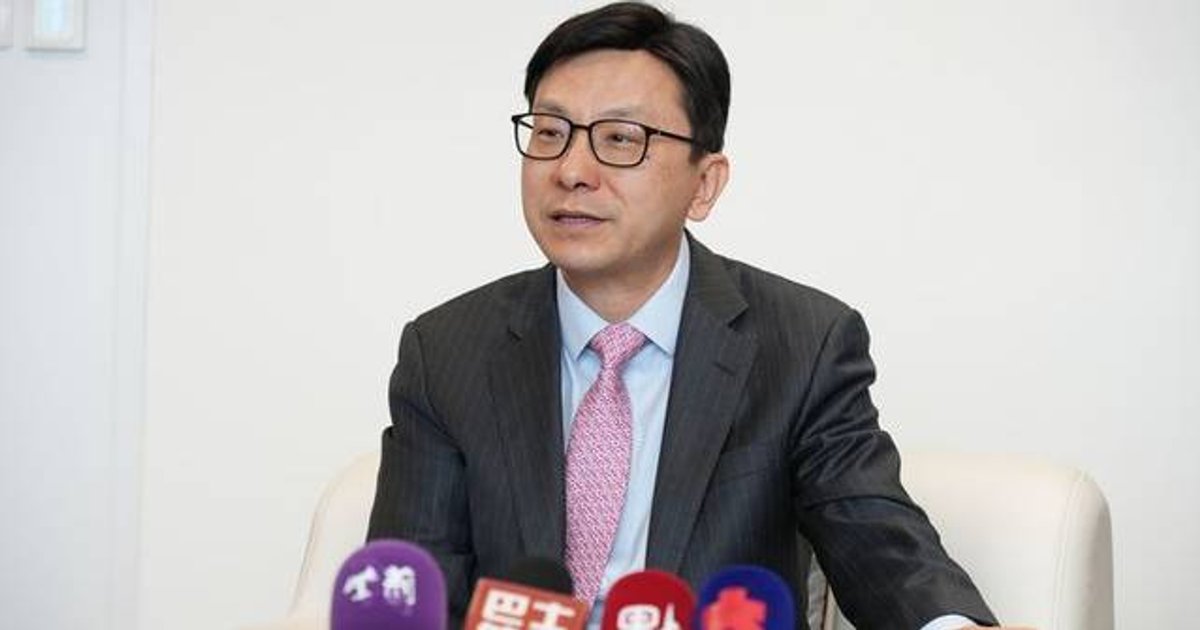
The Hong Kong government has launched a major employment initiative targeting young graduates facing heightened job market challenges. The Labour and Welfare Bureau, led by Secretary for Labour and Welfare Sun Yuk-hon, has partnered with six major chambers of commerce to create 10,000 new positions for youth graduates over a two-year period starting from 2027 .
Key Points
- Government to subsidize HK$6,000 monthly or one-third of salary, whichever is lower, for each position for six months
- Scheme addresses rising youth unemployment linked to AI development dampening business hiring confidence
- Low-income caregiver allowance raised 10% to HK$3,300 monthly under same Policy Address measures
- Over 60,000 Top Talent Pass Scheme arrivals have seen visa expirations, with over half successfully renewed
- Top Talent holders show median monthly salary of HK$40,000+, with over 25% earning HK$80,000+
- Southern District community kitchen pilot demonstrates effectiveness in supporting caregivers
Why It Matters
This initiative represents the government's direct intervention in the youth labour market at a time when technological disruption is reshaping employment prospects. With AI adoption creating uncertainty among employers, the subsidy scheme reduces hiring risk for businesses while providing graduates with crucial job opportunities during a vulnerable career transition period. The program's success could serve as a model for future public-private employment partnerships in Hong Kong .
This initiative represents the government's direct intervention in the youth labour market at a time when technological disruption is reshaping employment prospects. With AI adoption creating uncertainty among employers, the subsidy scheme reduces hiring risk for businesses while providing graduates with crucial job opportunities during a vulnerable career transition period. The program's success could serve as a model for future public-private employment partnerships in Hong Kong .