HKBU Music Society Apologizes for Inappropriate Video; CUHK Student Group Accused of Drug Use
On.cc · 1 SOURCESabout 1 hour ago2 MIN
Summary
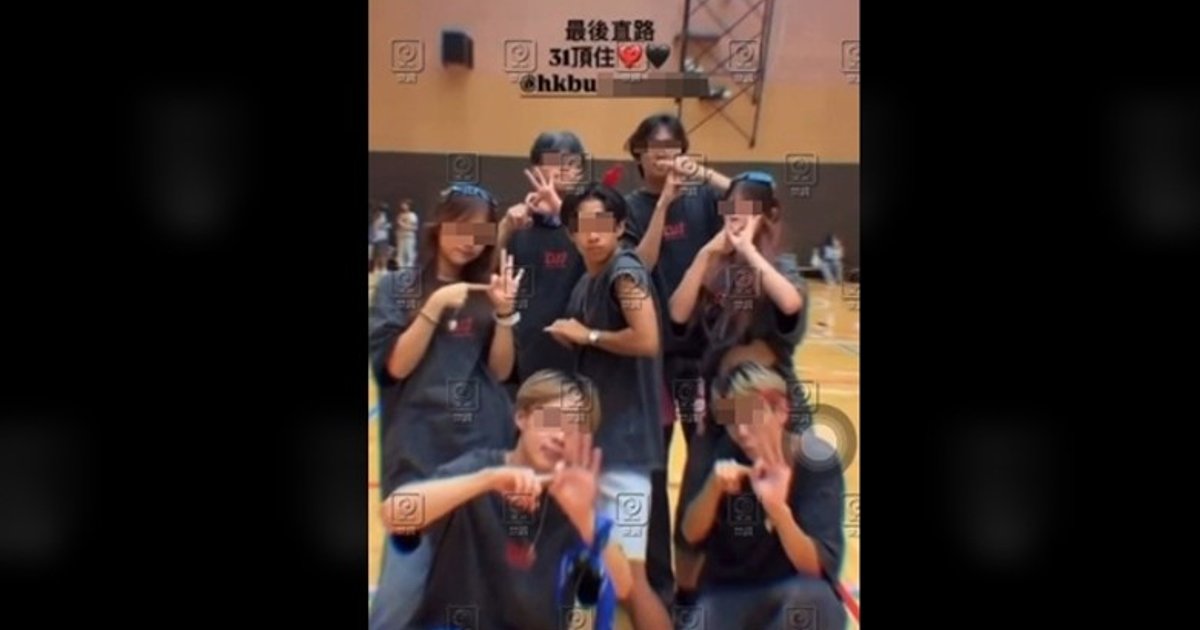
The Hong Kong Baptist University 31st Music Society has publicly apologized after a six-second video showing members making sexually suggestive gestures went viral online, prompting the university to launch disciplinary proceedings . Separately, netizens have accused the Chinese University of Hong Kong's Woo Sung College Rotaract service club of drug use, excessive drinking, and fraud, with the university stating it does not comment on unverified allegations .
Key Points
- The HKBU Music Society video featured five males and two females making an "OK" hand sign with their left hand while using the right index finger to perform a "straight thrust" motion, accompanied by text referencing "final stretch, 31 hold on" and the society's account .
- The society issued an apology at midnight on September 9, acknowledging a clear lack of sensitivity in the video's conception and filming, and promising improved internal communication and greater discretion in future public activities .
- HKBU confirmed it has initiated student disciplinary procedures and will review measures to strengthen guidelines for student-organized events .
- Social media posts have accused the CUHK Woo Sung College Rotaract club of fostering a culture of excessive drinking, drug use, and fraud, with specific allegations against a "blue group leader" involved in money fraud .
- CUHK stated it does not comment on individual unverified incidents, while affirming that campus regulations explicitly prohibit any form of illegal or rule-breaking behavior .
Why It Matters
These incidents highlight growing concerns about student conduct and accountability at Hong Kong universities, where student societies play significant roles in orientation and campus culture . The contrasting responses—from immediate apology and disciplinary action at HKBU to non-committal silence at CUHK—underscore differing institutional approaches to managing reputational crises involving student organizations.
These incidents highlight growing concerns about student conduct and accountability at Hong Kong universities, where student societies play significant roles in orientation and campus culture . The contrasting responses—from immediate apology and disciplinary action at HKBU to non-committal silence at CUHK—underscore differing institutional approaches to managing reputational crises involving student organizations.