Hong Kong Launches Ultra-Fast EV Charging with Five-Minute Capability
SCMP · 1 SOURCESabout 2 hours ago2 MIN
Summary
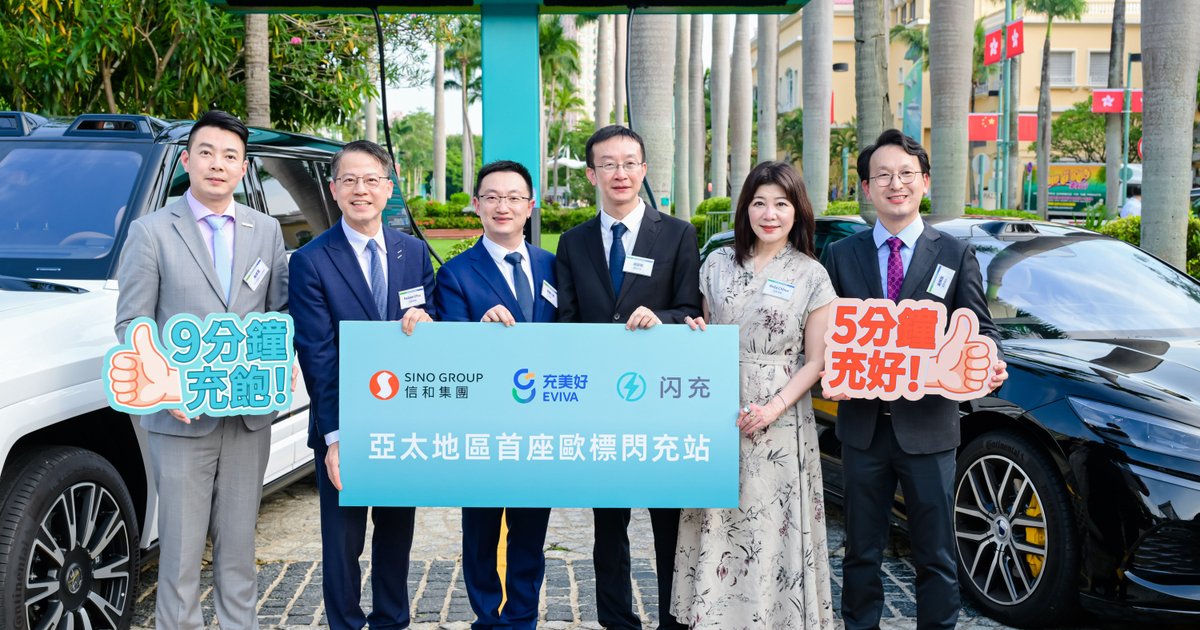
Hong Kong has taken a major step toward electric vehicle adoption with the launch of an ultra-fast charging station at Gold Coast Piazza in Tuen Mun, capable of delivering a 10 to 70 percent charge in just five minutes. The pilot project, developed through a partnership between Sino Group, BYD, CR EVIVA and iCar, aligns with the government's First Five-Year Plan targeting approximately 10,000 fast chargers by 2035 to support about 500,000 EVs .
Key Points
- The ultra-fast charging station at Gold Coast Piazza in Tuen Mun can charge compatible EV batteries from 10 to 70 percent in five minutes, or 10 to 97 percent in nine minutes
- The First Five-Year Plan sets a target of around 10,000 fast chargers by 2035 to support approximately 500,000 EVs, with an interim goal of at least 4,000 fast chargers by 2030
- BYD supplies its Flash Charging technology to the station, while Sino Group provides parking facilities and CR EVIVA contributes its charging-network expertise
- The charging station accepts vehicles equipped with the European-standard CCS2 charging interface, though performance varies by vehicle capabilities
- Sino Group currently operates more than 2,200 charging points across its managed properties throughout Hong Kong
Why It Matters
The introduction of ultra-fast charging technology addresses a key barrier to EV adoption by dramatically reducing charging time, potentially making electric vehicles more practical for Hong Kong drivers who face limited parking space and charging infrastructure . As the city works toward its electrification targets, faster charging networks could accelerate the transition away from combustion-engine vehicles in one of the world's most densely populated urban environments .
The introduction of ultra-fast charging technology addresses a key barrier to EV adoption by dramatically reducing charging time, potentially making electric vehicles more practical for Hong Kong drivers who face limited parking space and charging infrastructure . As the city works toward its electrification targets, faster charging networks could accelerate the transition away from combustion-engine vehicles in one of the world's most densely populated urban environments .