UK Woman Undergoes 11 Years of Unnecessary Chemotherapy After Brain Cancer Misdiagnosis
AM730 · 2 SOURCES1 day ago3 MIN
Summary
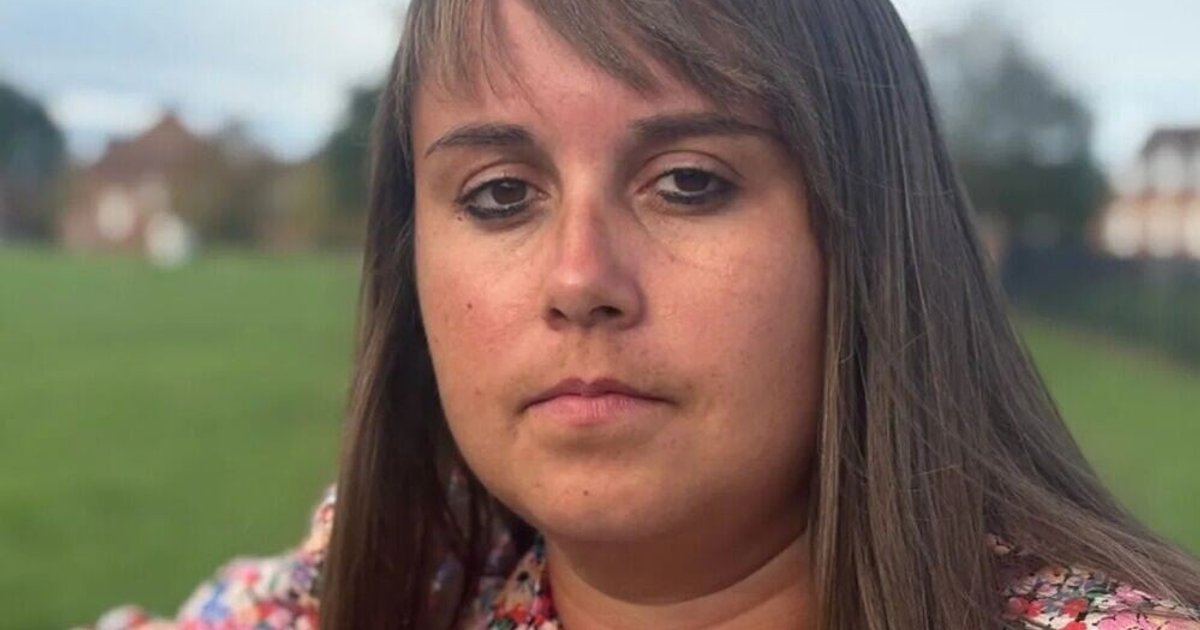
A British woman named Becky Jones has spoken out after discovering that she underwent 11 years of unnecessary chemotherapy following a misdiagnosis of terminal brain cancer. In 2012, when Jones was 21 years old, she sought medical help for severe migraines and was diagnosed with Stage 4 glioblastoma by Professor Ian Brown at University Hospitals Coventry and Warwickshire (UHCW) . Despite repeatedly questioning why brain scans showed no visible tumor, Jones claims Professor Brown dismissed her concerns, stating that "lesions cannot always be seen by the naked eye" and that she would die without treatment . It was not until 2024, after Professor Brown's retirement, that new medical staff identified the problem and halted her chemotherapy . Independent neurological and radiological experts consulted in May 2025 confirmed that Jones actually suffered from tumefactive demyelination, a non-cancerous inflammatory condition treatable with high-dose steroids . Jones, now 33, told the BBC: "There was never a brain tumor. None of this was necessary. He destroyed my life."
Key Points
- Becky Jones was diagnosed with Stage 4 glioblastoma by Professor Ian Brown at UHCW in 2012 when she was 21 years old
- She underwent chemotherapy with the drug temozolomide for 11 years, experiencing severe side effects including nausea, fatigue, stomach pain, and mouth ulcers
- The actual diagnosis was tumefactive demyelination, an inflammatory condition treatable with high-dose steroids that required no chemotherapy
- Over 40 patients have filed legal action against UHCW, with one patient developing leukemia after receiving 100 unnecessary chemotherapy sessions
- The Royal College of Physicians reviewed 20 random cases and found 15 to be "highly unsatisfactory," citing inadequate clinical investigation and poor multidisciplinary teamwork
Why It Matters
This case exposes systemic failures in cancer diagnosis oversight at a major NHS hospital trust, where at least 15 out of 20 reviewed cases failed to meet acceptable medical standards . The scale of alleged harm—over 40 patients potentially subjected to toxic chemotherapy drugs they did not need—raises urgent questions about how such diagnostic errors can persist for years without detection . For Hong Kong patients, this serves as a stark reminder of the critical importance of seeking second opinions on serious diagnoses, particularly when imaging results appear inconsistent with the stated condition.
This case exposes systemic failures in cancer diagnosis oversight at a major NHS hospital trust, where at least 15 out of 20 reviewed cases failed to meet acceptable medical standards . The scale of alleged harm—over 40 patients potentially subjected to toxic chemotherapy drugs they did not need—raises urgent questions about how such diagnostic errors can persist for years without detection . For Hong Kong patients, this serves as a stark reminder of the critical importance of seeking second opinions on serious diagnoses, particularly when imaging results appear inconsistent with the stated condition.