MiuMiu's 9,550-Yuan Knitted Shoe Sparks Outcry Over Similarity to Traditional Chinese Footwear
AM730 · 2 SOURCESabout 3 hours ago4 MIN
Summary
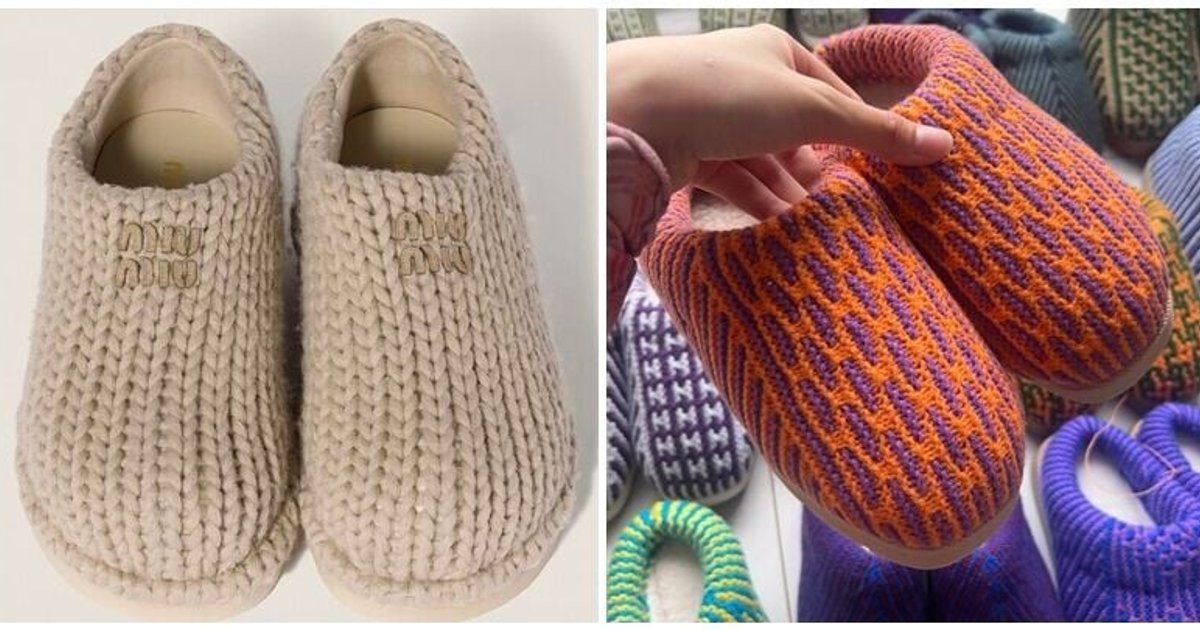
Italian luxury fashion house MiuMiu has released a new women's knitted mule shoe as part of its 2026 fall collection, priced at 9,550 yuan RMB (approximately 11,235 Hong Kong dollars) on the mainland Chinese official website . The product, officially named the "Desert Beige Knit Muless" with logo detailing, has rapidly become a trending topic on Chinese social media platforms after netizens identified a remarkable visual similarity to traditional handcrafted cotton shoes from Sichuan and Chongqing .
Key Points
- MiuMiu's 2026 fall "Logo-Embellished Knit Mule" is priced at 9,550 yuan RMB, equivalent to about 11,235 Hong Kong dollars
- Chinese netizens widely noted the shoe's resemblance to the traditional hand-knitted Jipopo shoes (雞婆鞋), crafted by elders in the Sichuan-Chongqing region
- The traditional shoe's nickname "Jipopo" derives from local dialect, referencing the nesting posture of a broody hen and the shoe's similarly rounded shape
- MiuMiu customer service responded that pricing reflects research, unique design, exclusive production technology, and premium distribution channels
- Netizens joked that the shoe is essentially identical to grandmother-made footwear, with one comment suggesting "adding a brand name earns an extra 9,500 yuan"
Why It Matters
This incident highlights ongoing tensions between luxury branding and cultural borrowing, as international fashion houses increasingly draw inspiration from traditional folk crafts . For Hong Kong consumers, the debate underscores the growing scrutiny of luxury pricing justification and the fine line between cultural appreciation and exploitation in the global fashion industry .
This incident highlights ongoing tensions between luxury branding and cultural borrowing, as international fashion houses increasingly draw inspiration from traditional folk crafts . For Hong Kong consumers, the debate underscores the growing scrutiny of luxury pricing justification and the fine line between cultural appreciation and exploitation in the global fashion industry .