Lawyer Warns: Nearly 30 Kai Ying Court Units Suspected of Unauthorized MiC Wall Modifications
HK01 · 1 SOURCESabout 3 hours ago2 MIN
Summary
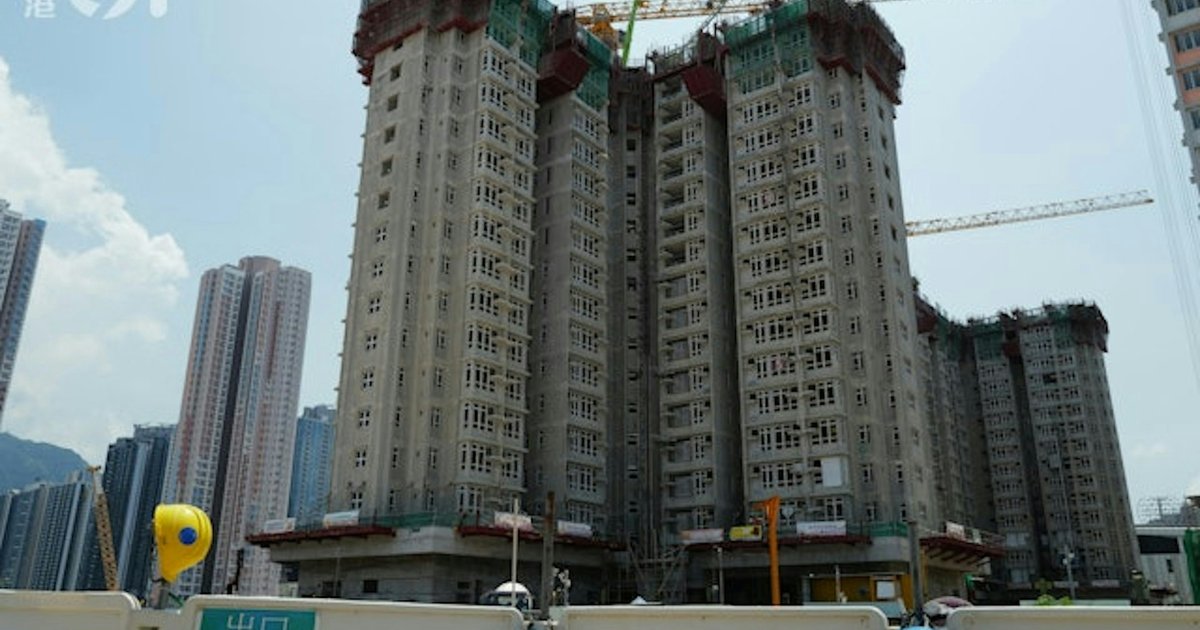
About 30 households at Kai Ying Court in Kai Tak are suspected of illegally modifying kitchen and bathroom walls in their Modular Integrated Construction (MiC) units after receiving their keys, according to a legal columnist. The incident highlights a significant knowledge gap between traditional renovation practices and the requirements of new prefabricated building technology. Experts warn that improper wall modifications in MiC structures could compromise module stability, local load distribution, and critical utility connections, even if the walls are not primary structural elements. The Housing Authority and construction industry are being urged to provide better post-occupancy support and training for renovation contractors.
Key Points
- Approximately 30 households at Kai Ying Court in Kai Tak are suspected of unauthorized wall modifications in kitchen and bathroom areas
- MiC construction involves factory prefabrication of wall panels, floors, pipes, and waterproofing as an integrated system
- Traditional renovation methods like tapping walls to check thickness are unreliable for judging which walls in MiC units can be modified
- The construction industry faces an aging workforce and needs specialized training to handle modern prefabricated building systems
- Housing Authority should provide clearer visual guides and on-site briefings before residents begin renovation work
Why It Matters
The Kai Ying Court incident demonstrates that Hong Kong's rapid adoption of innovative construction technology has outpaced public understanding and industry preparedness. Without coordinated efforts to educate residents, renovation contractors, and property managers about MiC building restrictions, similar compliance issues may emerge across other prefabricated housing projects. This poses not only structural safety risks but also threatens public confidence in new construction methods that are essential for addressing Hong Kong's housing supply challenges .
The Kai Ying Court incident demonstrates that Hong Kong's rapid adoption of innovative construction technology has outpaced public understanding and industry preparedness. Without coordinated efforts to educate residents, renovation contractors, and property managers about MiC building restrictions, similar compliance issues may emerge across other prefabricated housing projects. This poses not only structural safety risks but also threatens public confidence in new construction methods that are essential for addressing Hong Kong's housing supply challenges .