Hong Kong Fencing Legend Shawn Cheung on Teaching Kids Resilience Through Sport
SingTao · 1 SOURCESabout 3 hours ago6 MIN
Summary
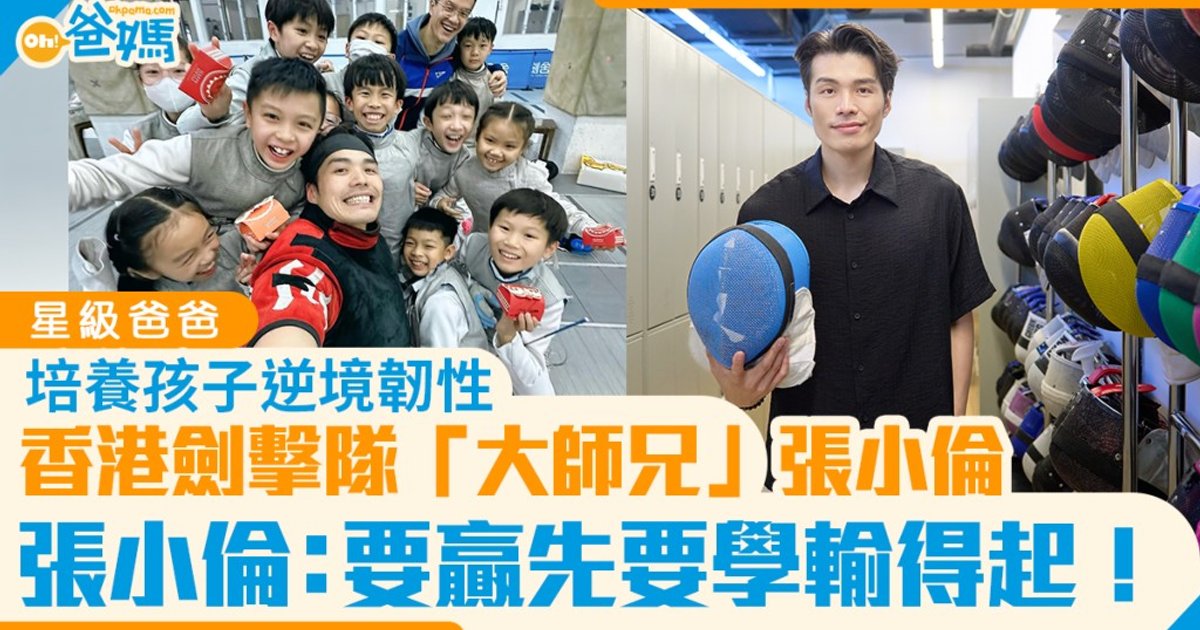
Shawn Cheung (張小倫), former big brother of the Hong Kong fencing team and epee representative, has transitioned from competitive fencing to founding his own fencing school where he coaches children. His core philosophy centers on teaching resilience through sport: to win you must first learn to accept defeat. Cheung believes in building psychological toughness by having students experience defeat during practice, preparing them for real competitions. Beyond technical skills, his school emphasizes character development, social interaction, and academic-time management. The former Asian Games medalist also recently shared how he applies his athlete mindset to raising his young son Miles.
Key Points
- Cheung discovered fencing in secondary school when it was a niche sport, eventually earning Asian Games medals to prove his worth to skeptical family members
- His fencing school conducts regular competitions of varying intensity for psychological training, teaching children that losing is not the end of the world
- He advises parents to trust professional coaches and give children space during training, noting some kids perform better without parental observation
- Before age 14, childrens physical development is similar, making talent claims unreliable; dedication and practice frequency determine success
- The school enforces a strict no-phone policy on campus, which helped pandemic-era children rebuild social skills and form study groups
- Last year, Cheung became a first-time father to Miles, applying athlete routines such as consistent sleep schedules and physical interaction games
- He emphasizes that sports and academics are not opposing forces; proper exercise helps children concentrate better during revision
Why It Matters
Cheungs approach highlights how sports education can address broader youth development challenges, particularly in an era where children face increased screen time and academic pressure. His methods offer practical guidance for parents navigating the balance between nurturing talent and protecting childrens mental wellbeing. As Hong Kong continues to develop its sporting culture following recent international successes, educators see fencing as a model for holistic child development beyond technical achievement.
Cheungs approach highlights how sports education can address broader youth development challenges, particularly in an era where children face increased screen time and academic pressure. His methods offer practical guidance for parents navigating the balance between nurturing talent and protecting childrens mental wellbeing. As Hong Kong continues to develop its sporting culture following recent international successes, educators see fencing as a model for holistic child development beyond technical achievement.