Iran Strikes Bahrain US Radar, US Retaliates Against Qeshm Island as Tensions Escalate
SingTao · 3 SOURCESabout 9 hours ago3 MIN
Summary
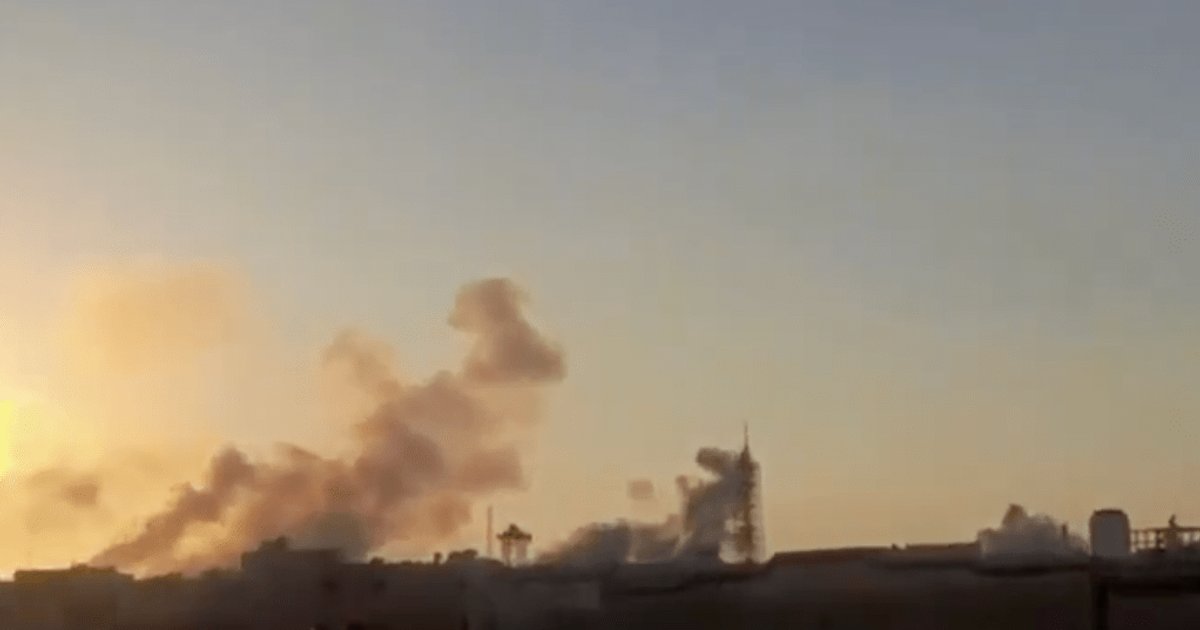
The Islamic Republic of Iran carried out drone attacks on a US-operated radar system at Sheikh Isa Air Base in Bahrain on Sunday, November 15, describing it as retaliation for alleged US drone violations of Iranian airspace. The attack marked the second strike on US facilities in Bahrain within three days . The United States responded on Tuesday evening, November 17, by launching multiple airstrikes against missile launch positions on Iran's Qeshm Island in the Strait of Hormuz, with 5 to 6 explosions reported . Bahrain authorities stated they intercepted the drones, resulting in no casualties or property damage . Meanwhile, Iranian officials accused the US of exploiting diplomatic negotiations to gain time for additional military operations .
Key Points
- Iran's Islamic Revolutionary Guard Corps (IRGC) deployed 6 drones to strike a US air defense radar facility at Sheikh Isa Air Base in Bahrain on Sunday, November 15
- The US military conducted airstrikes on Qeshm Island on Tuesday evening, targeting missile launch positions with 5 to 6 explosions reported
- Ahmad Nafisi, Deputy Governor of Hormozgan Province, confirmed US strikes caused no damage to residential, commercial areas or infrastructure
- Iran's Deputy Foreign Minister Ghalibabadi warned that Iran would not wait for US attacks, accusing Washington of using diplomacy as a smokescreen for military preparations
- Iran is conducting parallel diplomatic efforts, meeting with Qatar officials and sending Foreign Minister Araghchi to Oman to discuss maritime security in the Strait of Hormuz
- US President Trump, visiting the Philippines, stated he takes reports of a potential Iranian dirty bomb attack on Washington seriously
- The Strait of Hormuz handles approximately one-fifth of global oil supply, and the US has imposed a maritime blockade on Iranian ports in response
Why It Matters
The exchange of strikes between the US and Iran represents a significant escalation in already tense relations, with both military confrontation and diplomatic maneuvering occurring simultaneously. The Strait of Hormuz remains a critical chokepoint for global energy supplies, and the continued disruption of shipping lanes could drive oil prices higher, affecting economies worldwide. Hong Kong, as a major financial and trading hub, could face consequences from potential energy price shocks and increased instability in a region vital to global commerce .
The exchange of strikes between the US and Iran represents a significant escalation in already tense relations, with both military confrontation and diplomatic maneuvering occurring simultaneously. The Strait of Hormuz remains a critical chokepoint for global energy supplies, and the continued disruption of shipping lanes could drive oil prices higher, affecting economies worldwide. Hong Kong, as a major financial and trading hub, could face consequences from potential energy price shocks and increased instability in a region vital to global commerce .