Queen Mary Hospital Elevator Crisis: 7 of 28 Units Restored, Investigation Report Submitted
HK01 · 6 SOURCES1 day ago2 MIN
Summary
The Development Bureau has submitted its investigation report on the elevator crisis at Queen Mary Hospital's Clinical Block 1 to Chief Executive John Lee Ka-chiu. The report addresses the structural defects that rendered 24 of 28 elevators inoperable since the building's phased opening last November. As of November 2, 2026, 17 elevators have completed remediation work, with 7 cleared for use by hospital staff and the public. The remaining elevators are targeted for completion by the fourth quarter.
Key Points
- 24 of 28 elevators in the new clinical building developed problems due to misaligned elevator shafts; the shaft outer walls had dimensional deviations causing insufficient clearance for proper installation
- As of November 2, 17 elevators have completed remediation, with 7 verified and opened; the remaining units are expected to be finished by Q4 2026
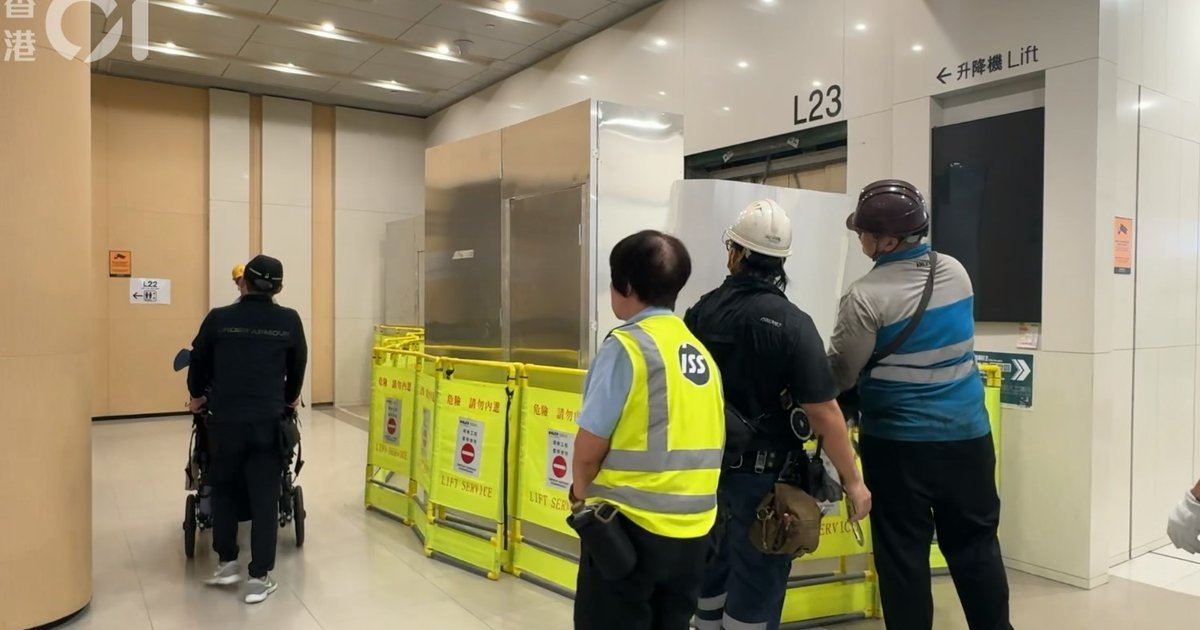
- A site visit confirmed at least 11 elevators are operational across two lift lobbies, including 3 units staffed with manual attendants who assist passengers with floor selection
- The contractor independently funded elevator operators to improve passenger communication, with attendants observed sitting on stools inside the lifts to assist riders
- Chief Executive John Lee has demanded accountability from contractors, subcontractors, engineers, and professionals; government personnel may face disciplinary action if found negligent
Why It Matters
The elevator failures have directly delayed clinical services in a major hospital, affecting thousands of patients and medical staff who depend on vertical transportation within the facility . The incident has exposed potential gaps in Hong Kong's public works oversight system, prompting calls for systemic reforms to prevent similar construction quality failures in future hospital and government projects .
The elevator failures have directly delayed clinical services in a major hospital, affecting thousands of patients and medical staff who depend on vertical transportation within the facility . The incident has exposed potential gaps in Hong Kong's public works oversight system, prompting calls for systemic reforms to prevent similar construction quality failures in future hospital and government projects .