Chinese lecturer sent to prosecutors in dismemberment case
SingTao · 3 SOURCESabout 2 hours ago6 MIN
Summary
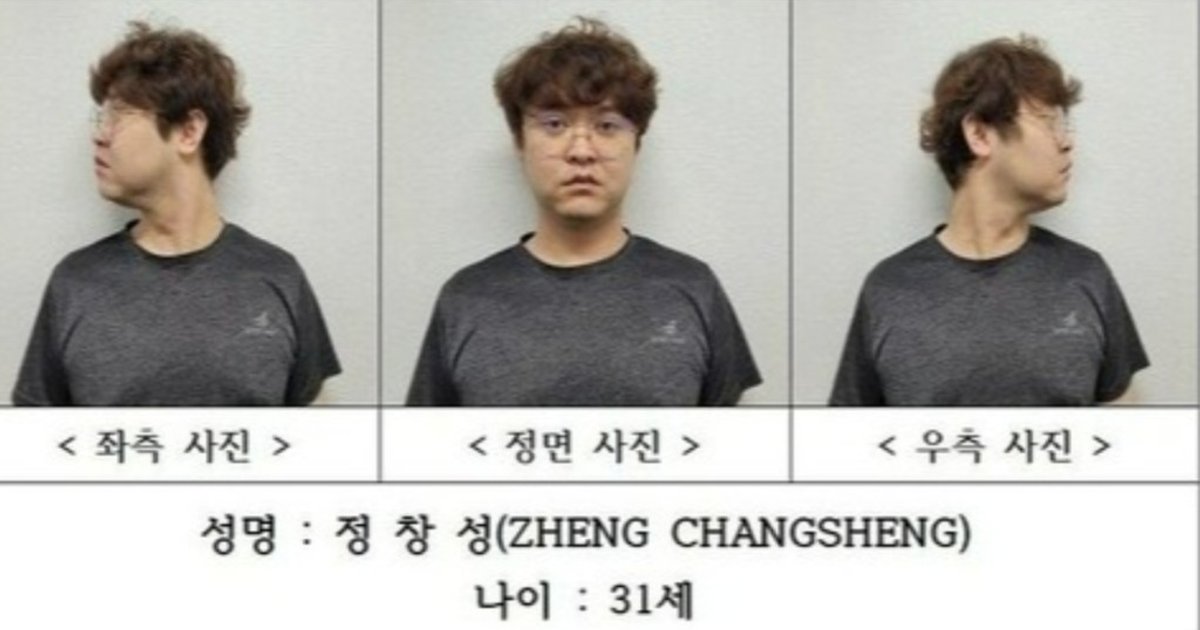
South Korean police said 31-year-old Chinese national Zheng Changsheng (鄭昌聖), a university lecturer, has been transferred to prosecutors over the killing of a 25-year-old Chinese female student in the Daegu area. Investigators said Zheng told police the two were in a romantic relationship and that he acted after an argument in which she threatened to reveal the relationship to the university, which he feared would cost him his teaching post. Police said he allegedly strangled her at his home in Gyeongsan in the early hours of August 20, then dismembered the body and disposed of remains across multiple locations while also trying to mislead investigators. Officers said they are still searching for unrecovered remains and are also examining whether Zheng may have committed other offences involving female students during his time as a lecturer.
Key Points
- Police said Zheng was sent to prosecutors on Friday on suspicion of murder, damaging a corpse, abandoning and concealing a body, and obstructing public duties by deception.
- Investigators said the victim was killed at Zheng's residence in Gyeongsan on August 20, and body parts were later discarded in five areas including Gyeongsan, Gyeongju, Sangju, Daegu and Gunpo.
- According to police, some remains were hidden inside Zheng's home, while others were left at rubbish sites, riversides and wooded or hilly areas.
- Police said Zheng allegedly filed a false missing-person report, wore women's clothing, carried the victim's phone to Dongdaegu Station and then switched it off to fake her movements.
- The victim had completed graduate studies at Daegu Catholic University, returned to China, and re-entered South Korea on August 14 for her degree ceremony before losing contact with family on August 19.
Why It Matters
For Hong Kong readers, the case underscores the risks that can arise when overseas students become entangled in unequal relationships with teaching staff, especially when they are far from family support networks. It also draws attention to how cross-border families may seek consular help and legal remedies after serious crimes involving Chinese nationals abroad