Zhejiang's Huangyan Stone Caves Revived as Cave Art Museum After Thousand Years
AM730 · 1 SOURCESabout 2 hours ago2 MIN
Summary
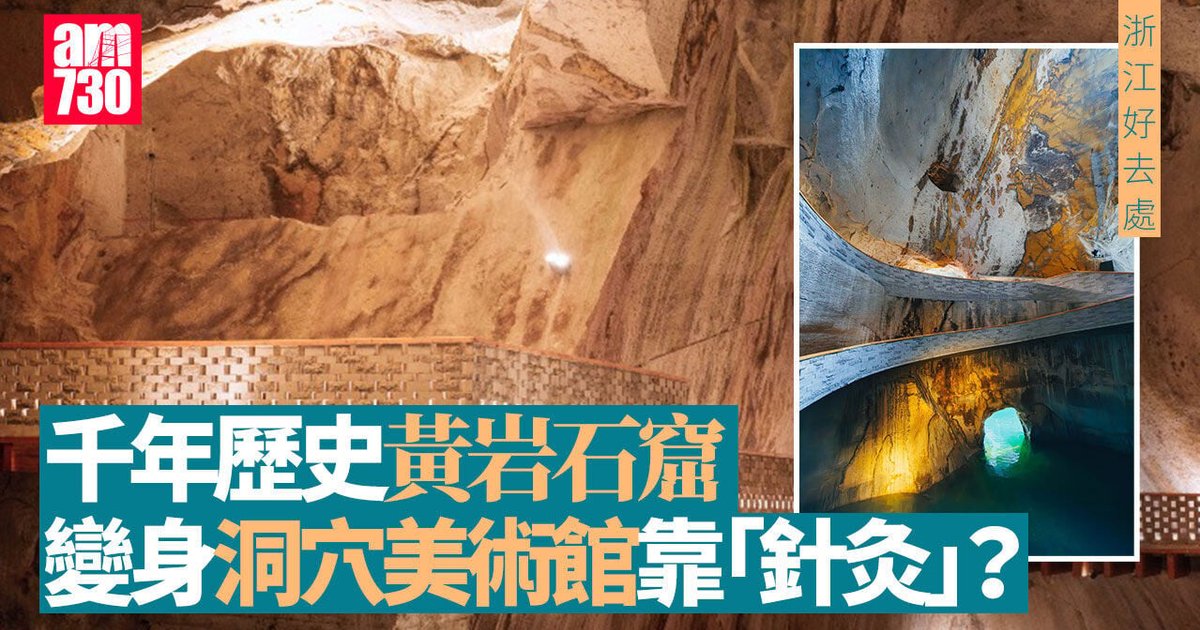
Huangyan Stone Caves in Zhejiang Province, a former thousand-year-old quarry dating back to the Tang Dynasty, has been revitalized as a contemporary cave art museum. Led by Tsinghua University architects using a minimal-intervention approach, the renovation was completed in January 2025, transforming the 20,000-square-meter site into a modern art space. The caves, certified as having the world's largest natural mural group, now feature AI light installations, cave theaters, and artworks from more than 30 artists.
Key Points
- Huangyan Stone Caves is located in Shanxia Lang Village, Jiangkou Street, Huangyan District, Taizhou City, Zhejiang Province
- The quarry began operations during the Tang Dynasty in 675 AD to supply stones for constructing Yongning County City
- Natural mineral deposits of iron, manganese, and sulfur created colorful murals on cave walls, earning Guinness certification
- Tsinghua University Professor Xu Tiantian led the design team, using "architectural acupuncture" to reinforce 4,700 unstable points
- The 15-month renovation created over 2 kilometers of tourist routes connecting multiple cave chambers
Why It Matters
This transformation showcases how heritage conservation and contemporary art can coexist, offering a sustainable model for reviving abandoned industrial sites. For Hong Kong travelers seeking unique cultural destinations, Huangyan Stone Caves represents an emerging mainland attraction that blends natural wonder with artistic innovation.
This transformation showcases how heritage conservation and contemporary art can coexist, offering a sustainable model for reviving abandoned industrial sites. For Hong Kong travelers seeking unique cultural destinations, Huangyan Stone Caves represents an emerging mainland attraction that blends natural wonder with artistic innovation.