Israel Election Deadlock as Trump Eyes Intervention in Netanyahu Coalition Talks
AM730 · 2 SOURCESabout 5 hours ago2 MIN
Summary
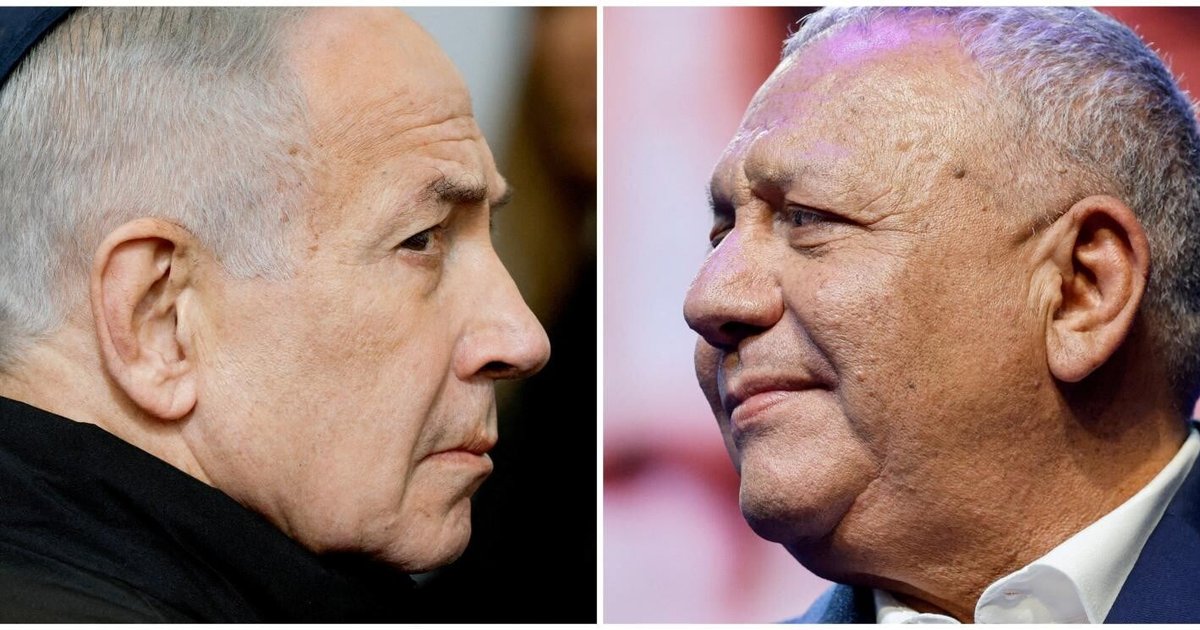
Israel's parliamentary election has left the nation in political limbo, with both the right-wing coalition led by Prime Minister Benjamin Netanyahu and the opposition under former Defense Minister Gadi Eisenkot failing to secure the 61-seat majority needed to form a government . As of October 28, approximately 85.6% of votes had been counted, with about 600,000 "double envelope" ballots still pending processing . Reports from Israeli media suggest the Trump administration is considering intervening to support a unity government and wants to exclude Finance Minister Bezalel Smotrich and National Security Minister Itamar Ben Gvir from any new cabinet, though US officials have denied these reports as "untrue and premature" . Both sides have begun political negotiations as President Isaac Herzog prepares to consult with party leaders on who should receive the coalition formation mandate .
Key Points
- The 120-seat Knesset election results show Netanyahu's Likud and allies with 53 seats, the Eisenkot opposition with 48 seats, and Arab parties achieving a record 19 seats
- CNN analysis outlines four possible scenarios: an Eisenkot-led government with Arab party support, a cross-party unity government, defections to Netanyahu, or a re-election
- Israeli Channel 13 and public broadcaster Kan cited unnamed sources saying the US wants Israel to maintain political stability and specifically wants Smotrich and Ben Gvir excluded
- Trump told Axios on October 28 that while he hadn't considered the unity government idea, he would "take a look" at it
- Netanyahu reportedly assured Smotrich and Ben Gvir he would not abandon them, maintaining promises to right-wing and ultra-Orthodox Jewish parties
Why It Matters
Israel's election deadlock threatens to plunge the country into prolonged political paralysis at a time when regional tensions remain high, particularly regarding the Gaza conflict where Washington has been pushing for resolution . The potential US intervention adds a new dimension to Israeli domestic politics, as foreign pressure on coalition composition could reshape the balance of power between moderate and far-right factions within the governing camp . If no coalition can be formed within the constitutionally allowed timeframe of up to 100 days, Israel may face its sixth election in just over four years, further destabilizing its political system .
Israel's election deadlock threatens to plunge the country into prolonged political paralysis at a time when regional tensions remain high, particularly regarding the Gaza conflict where Washington has been pushing for resolution . The potential US intervention adds a new dimension to Israeli domestic politics, as foreign pressure on coalition composition could reshape the balance of power between moderate and far-right factions within the governing camp . If no coalition can be formed within the constitutionally allowed timeframe of up to 100 days, Israel may face its sixth election in just over four years, further destabilizing its political system .