China, EU reach 16 trade consensus points
Crhk · 3 SOURCESabout 2 hours ago3 MIN
Summary
China and the European Union concluded the second regular meeting of their trade and investment consultation mechanism in Beijing after two days of talks. The two sides said they reached a 16-point list of consensus outcomes, including an understanding on hybrid vehicle trade and follow-up work on the EU's electric-vehicle anti-subsidy case. They also agreed to keep discussing market access, export controls, the EU Foreign Subsidies Regulation and possible tariff reductions on some goods. Chinese Commerce Minister Wang Wentao and European Commission Executive Vice-President Maros Sefcovic both described dialogue as the way to manage frictions and seek constructive solutions.
Key Points
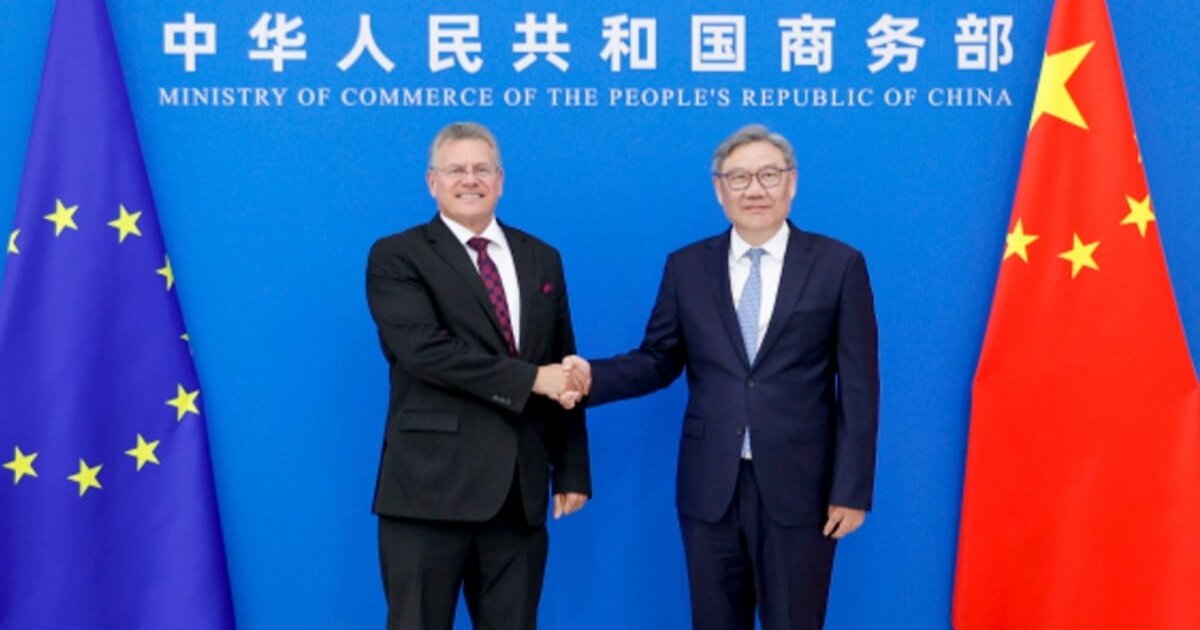
- Wang Wentao met Maros Sefcovic in Beijing, where the second regular meeting of the China-EU trade and investment consultation mechanism ended after two days
- The two sides produced a 16-point consensus list, including an understanding on hybrid vehicle trade handled in a way consistent with World Trade Organization rules.
- They recalled guidance on price undertakings in the EU electric-vehicle anti-subsidy case and will continue related corporate undertakings and review procedures.
- Both sides agreed to explore the possibility of lowering tariffs on some goods within the World Trade Organization rules framework.
- They will stay in close contact before the third meeting in March, including a ministerial video conference scheduled for January.
- China's Ministry of Commerce said officials also discussed how to address mutual concerns on medical devices, cosmetics, pharmaceuticals, inverters and agricultural and food products on a reciprocal basis, with the aim of expanding two-way market access. A joint statement said the two sides would keep communicating on market access and gradually work to resolve concerns over medical devices, agricultural and food products, and financing restrictions related to inverters. They also agreed to strengthen the China-EU export control dialogue mechanism, improve policy communication, work on specific cases of concern, and study possible facilitation measures
- Wang said China is not the source of the EU's problems but a partner in solving them, and urged the European side to move in the same direction as China to handle trade frictions through dialogue under World Trade Organization rules while taking each other's interests into account. Sefcovic said China is an important economic and trade partner for the EU, and that Brussels is willing to strengthen communication under the consultation mechanism, manage frictions through dialogue and seek constructive solutions for a more balanced and stable relationship. A Ministry of Commerce official later said the latest meeting was a new starting point rather than an end point, and showed both sides have the willingness and ability to manage differences and avoid escalation.
Why It Matters
For Hong Kong businesses tied to China-EU supply chains, steadier dialogue may reduce the risk of sudden escalation in disputes involving vehicles, industrial equipment and other traded goods. Continued talks on tariffs, market access and export controls could also affect trading, logistics and re-export activity that depends on predictable rules between two of Hong Kong's major external economic partners.