K Wah International H1 profit slips 2% despite 370% revenue surge
Thestandard · 1 SOURCESabout 3 hours ago2 MIN
Summary
K Wah International (stock code: 0173) released its first-half results showing a 2% year-on-year decline in underlying profit to HK$97 million, despite a remarkable 370% surge in revenue to HK$4.9 billion . The underlying profit metric excludes unrealized gains or losses from property revaluation, reflecting the company's regular business earnings. The board maintained the interim dividend at HK2 cents per share . However, the company's net profit for the period dropped by nearly 30.7% to HK$79 million, as declining joint venture earnings offset the higher revenue from property sales .
Key Points
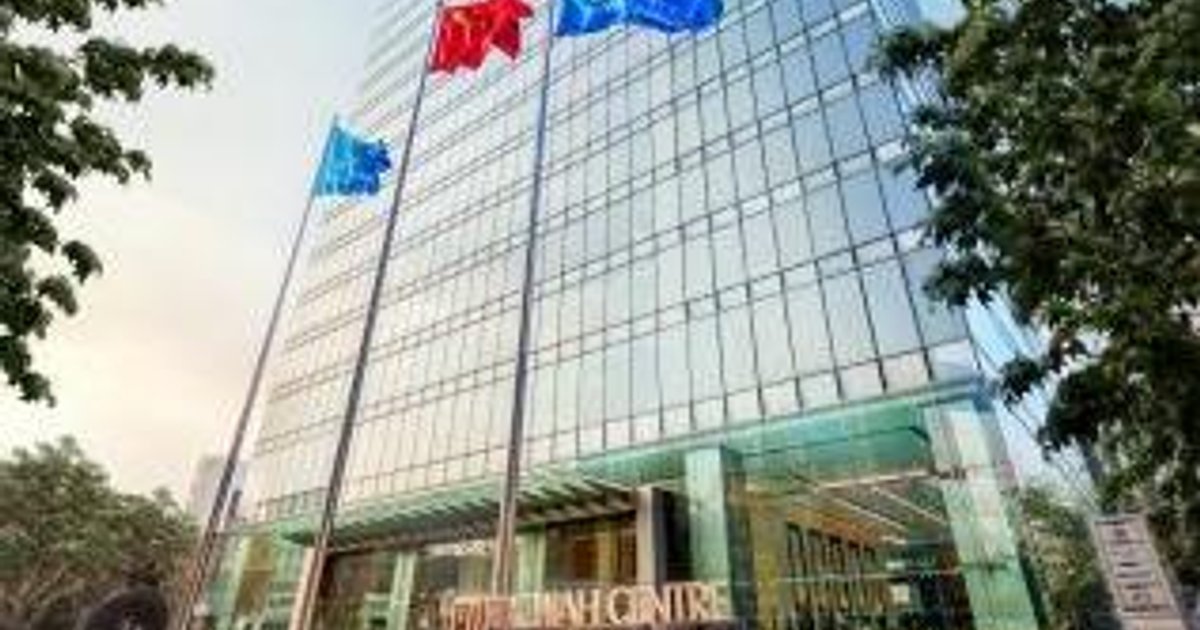
- Revenue of HK$4.9 billion came primarily from sales of the Avenir residential project in Shanghai and rental income from the Shanghai K Wah Centre
- Contracted sales during the six-month period reached HK$6.1 billion, with HK$5.6 billion still unrecognized as of June 30
- The company's gearing ratio improved significantly to 9% from 17% a year earlier, while total borrowings fell to HK$11.2 billion
- Management forecasts Hong Kong's residential market will undergo steady consolidation with modest full-year price growth
- For mainland China, the developer sees no broad property market recovery in the second half, with widening gaps between tier-one and lower-tier cities
Why It Matters
K Wah International's results illustrate the disconnect between top-line revenue growth and bottom-line profitability in the property sector, as strong sales from Shanghai projects were undermined by weak joint venture contributions . The company's aggressive deleveraging—cutting its gearing ratio nearly in half—signals a defensive posture amid uncertainty in both Hong Kong and mainland China property markets .
K Wah International's results illustrate the disconnect between top-line revenue growth and bottom-line profitability in the property sector, as strong sales from Shanghai projects were undermined by weak joint venture contributions . The company's aggressive deleveraging—cutting its gearing ratio nearly in half—signals a defensive posture amid uncertainty in both Hong Kong and mainland China property markets .