Hong Kong Unveils Plan to Double Innovation Spending to 3% of GDP by 2030
SCMP · 1 SOURCESabout 3 hours ago2 MIN
Summary
Hong Kong will strive to raise its expenditure on innovation activities to a level equivalent to 3 percent of gross domestic product by around 2030, nearly double the current rate, according to the city's first five-year plan . Chief Executive John Lee Ka-chiu unveiled the ambitious goal, together with measures to boost frontier technologies including aerospace research, on Wednesday . The government expects the increase in average annual expenditure on innovation activities to be around 10 percent .
Key Points
- The ratio of total domestic expenditure on innovation activities to GDP would rise from 1.63 percent in 2024 to 3 percent around 2030
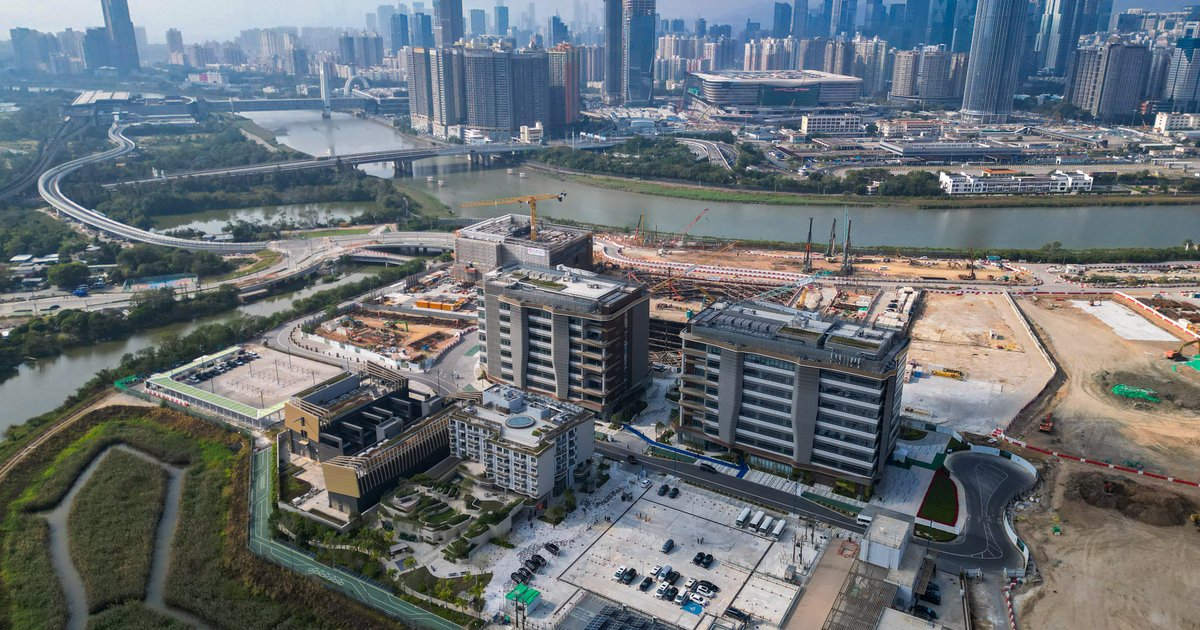
- The plan includes 22 indicators, with three major tech parks: the Science Park, Cyberport, and San Tin Technopole and the Loop Hong Kong Park at the Lok Ma Chau Loop
- Five institutes will be capitalised: the Hong Kong Productivity Council, Hong Kong Applied Science and Technology Research Institute, Hong Kong Microelectronics Research and Development Institute, Hong Kong Artificial Intelligence Research and Development Institute, and Life and Health Technology Research Institute
- Authorities will leverage 15 state key laboratories and three existing InnoHK research clusters to accelerate innovation development
- A government source described the target as "aggressive" and stated the government hopes to attract leading enterprises in life technology, AI and robotics to diversify the economy
Why It Matters
The initiative positions Hong Kong to compete more effectively with regional innovation hubs by significantly increasing investment in research and development . If successful, the plan could transform Hong Kong's economic structure and reduce dependence on traditional sectors like finance and real estate .
The initiative positions Hong Kong to compete more effectively with regional innovation hubs by significantly increasing investment in research and development . If successful, the plan could transform Hong Kong's economic structure and reduce dependence on traditional sectors like finance and real estate .