Master Li Ju-ming Explains Traditional Pregnancy and Celebration Taboos
SingTao · 1 SOURCESabout 3 hours ago4 MIN
Summary
Feng Shui master Li Ju-ming addresses traditional Chinese customs surrounding pregnancy and family celebrations in response to a friend's inquiry about 100-day ceremony traditions. The master explains key taboos including the three-month rule for pregnancy announcements and the significance of serving even-numbered dishes at joyous occasions. These customs reflect broader principles of hospitality and interpersonal boundaries in Chinese culture.
Key Points
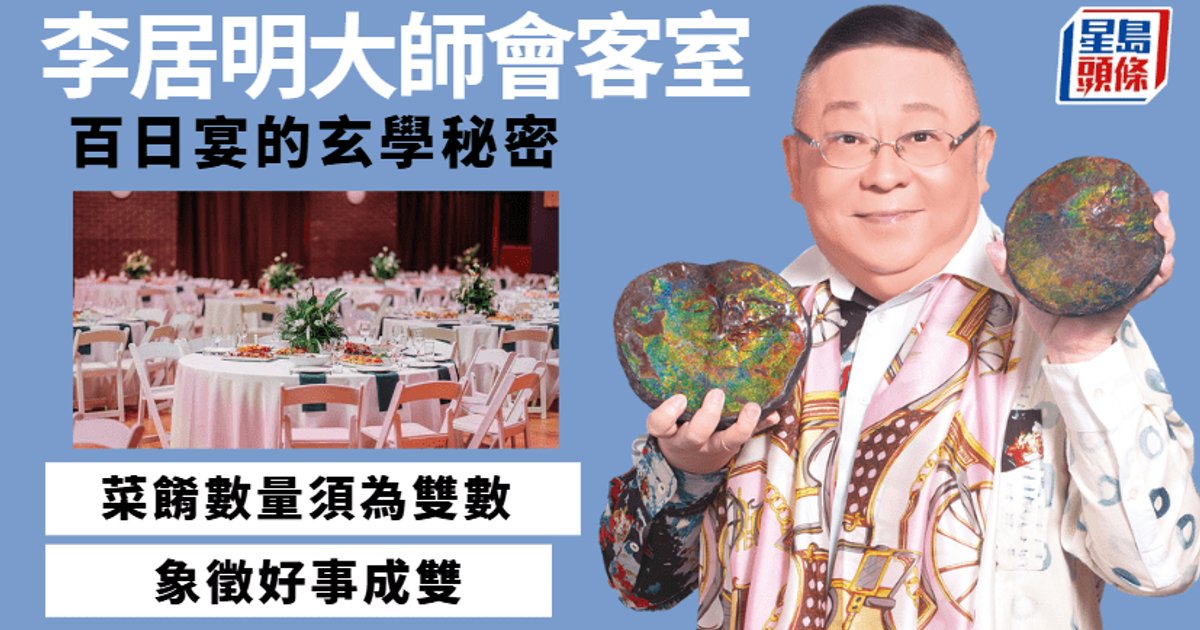
- The 100-day ceremony (百日宴) marking an infant's growth requires serving an even number of dishes, as double numbers symbolize completeness and double happiness .
- Traditional belief holds that pregnancy should remain private for three months to avoid supernatural jealousy during the "small energy period" (小氣期) .
- Wives who are one to three years older than their husbands are traditionally considered advantageous, as they tend to be more mature and nurturing .
- Hosts must never clear dishes or utensils while guests remain at the table, as this signals an unwelcoming attitude .
- The proverb "fish becomes smelly after three days; extended stays breed resentment" cautions against overstaying with relatives or friends .
Why It Matters
These traditional customs continue to influence family dynamics and social interactions in Hong Kong, where modernization often coexists with adherence to folk wisdom passed down through generations .
These traditional customs continue to influence family dynamics and social interactions in Hong Kong, where modernization often coexists with adherence to folk wisdom passed down through generations .