Hong Kong heat warning system under fire as record 36.9°C yields only amber alert
SCMP · 1 SOURCESabout 2 hours ago2 MIN
Summary
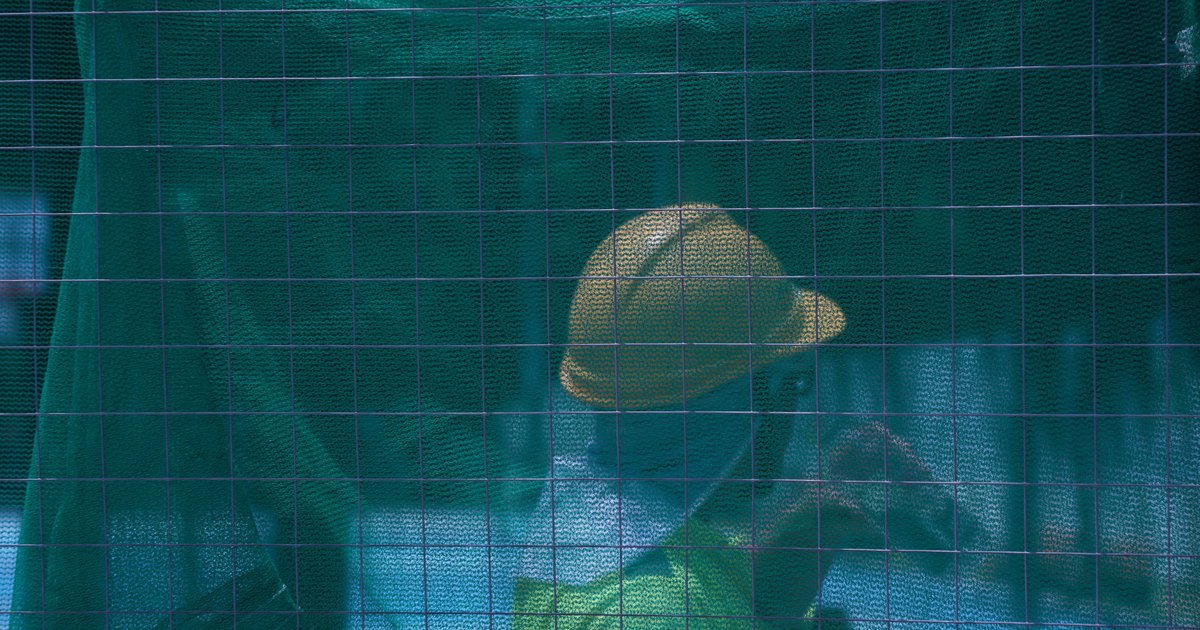
More than 200 official heat alerts have been issued under Hong Kong's Heat Stress at Work Warning mechanism since the Labour Department launched it in May 2023, but all have been amber level—the lowest tier of the three-tier system . This pattern continued even after the Hong Kong Observatory in Tsim Sha Tsui recorded a maximum temperature of 36.9°C (98.4°F) last Sunday, the highest since records began in 1884 . The amber warning despite extreme temperatures has prompted debate about the system's effectiveness, with construction workers' representatives calling it a mockery of the record heat .
Key Points
- The Labour Department issued only an amber warning even as temperatures peaked at 36.9°C in Tsim Sha Tsui on Sunday, the highest since 1884 .
- The amber tier covers heat index readings between 30 and 32, while red covers 32 to below 34, and black indicates 34 or above .
- Officials said relative humidity was below the summer average and wind conditions were good, keeping the heat index between 30 and 32 at 10 measurement stations .
- Chau Sze-kit, chairman of the Hong Kong Construction Industry Employees General Union, said the amber alert seemed to make a mockery of the record-breaking heat .
- The government has pledged to review the warning mechanism after experts called for adopting international measurements giving greater weight to direct sunlight .
Why It Matters
Heatstroke can have serious consequences including death, especially among workers with underlying health conditions . With climate change driving more frequent extreme heat events, the effectiveness of worker protection measures will be critical for hundreds of thousands of outdoor and non-air-conditioned indoor workers in Hong Kong .
Heatstroke can have serious consequences including death, especially among workers with underlying health conditions . With climate change driving more frequent extreme heat events, the effectiveness of worker protection measures will be critical for hundreds of thousands of outdoor and non-air-conditioned indoor workers in Hong Kong .