Zhejiang Student Diagnosed With Hearing Loss After Four Hours of Cicada Sounds at Mountain Campsite
SingTao · 1 SOURCESabout 2 hours ago2 MIN
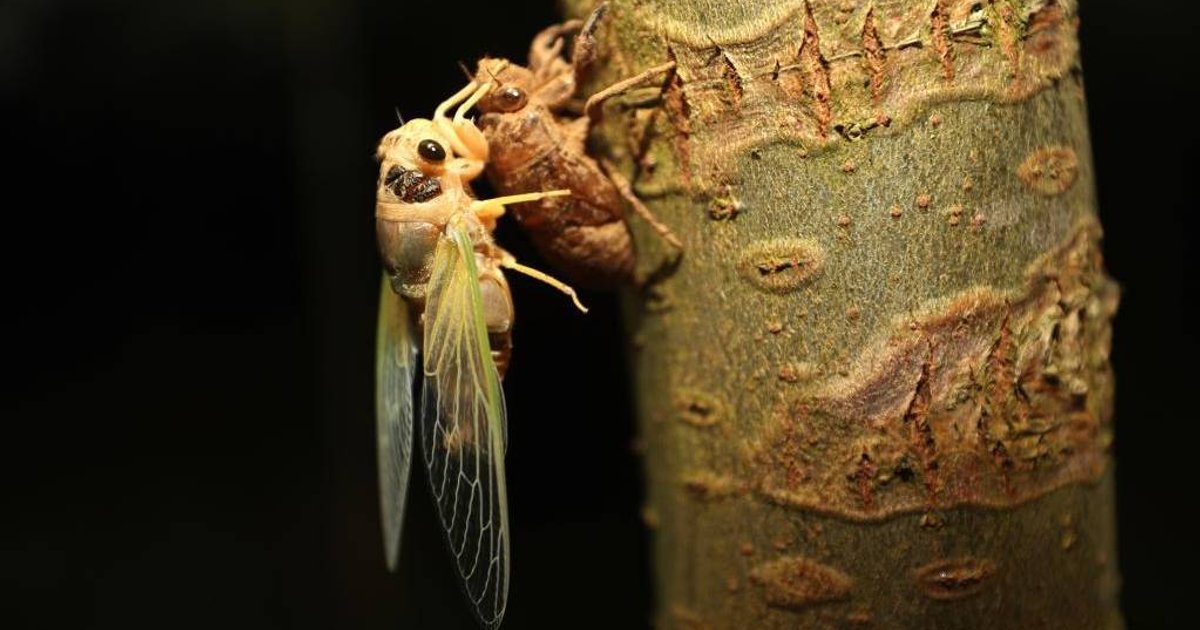
Summary
A camping trip in the mountains turned into an unexpected health scare for an 18-year-old student from Hangzhou, Zhejiang. The young man, identified by his surname Yang, spent approximately four hours at a campsite with extremely dense cicada activity during the summer holiday. Upon returning home that evening, he immediately experienced uncomfortable ear fullness and found himself unable to hear subtle high-frequency sounds such as bird chirps, mosquito wing buzzes, and phone notification tones. Medical examination confirmed he had developed noise-induced high-frequency hearing loss, though timely treatment with neurotrophic and microcirculation-improving medications has since restored most of his hearing function.
Key Points
- Yang, an 18-year-old male student from Hangzhou, was camping in a mountainous area during summer vacation when he developed hearing problems
- Exposure lasted approximately four hours in an area with extremely dense cicada populations before symptoms appeared that same evening
- Hearing tests at the hospital diagnosed noise-induced high-frequency hearing loss after the patient reported inability to hear subtle high-frequency sounds
- A single cicada produces sound at approximately 70 decibels, but cluster cicada sounds can exceed 85 decibels and peak at 90 to 95 decibels
- Treatment with neurotrophic medication and microcirculation-improving drugs led to substantial hearing recovery for the patient
- Doctors warn that while temporary hearing fatigue may resolve on its own, damage to inner ear hair cells is permanent and irreversible
- Cicada sounds are high-frequency noise concentrated in the 3000 to 8000 Hz range, directly impacting vulnerable hair cells in the cochlea
- Peak cicada activity occurs between 10:00 AM and 4:00 PM, when people should avoid prolonged stays in dense forests
Why It Matters
This incident serves as a stark reminder that nature's soundscapes can pose genuine hearing hazards, particularly during summer months when cicadas are most active. For Hong Kong residents who frequently enjoy outdoor activities such as camping and hiking in the New Territories' woodlands and country parks, awareness of noise exposure limits is essential for protecting long-term hearing health.
This incident serves as a stark reminder that nature's soundscapes can pose genuine hearing hazards, particularly during summer months when cicadas are most active. For Hong Kong residents who frequently enjoy outdoor activities such as camping and hiking in the New Territories' woodlands and country parks, awareness of noise exposure limits is essential for protecting long-term hearing health.