Hong Kong Principal Mom Shares Wisdom on Parenting Teens Without Pressure
SingTao · 2 SOURCES1 day ago5 MIN
Summary
Ng Hiu-ling (吳曉靈), principal of Lingnan University Hong Kong Alumni Primary School, shares her parenting philosophy in a recent column for the Direct Subsidy Scheme Schools Council. As a mother of three teenagers who has transitioned from a "commanding" to a "reserved" parenting style, Ng advocates against excessive academic pressure and emphasizes that "not pushing" does not mean "letting go."
Key Points
- Ng Hiu-ling (吳曉靈) serves as principal of Lingnan University Hong Kong Alumni Primary School and previously led a direct subsidy secondary school and a Shenzhen international school
- She raises three teenagers and has shifted from a "commanding" to a "reserved" (內斂型) parent, adjusting her mindset as children grow older
- During a recent school holiday exceeding one week, she arranged only weekly tennis lessons while children managed their own homework, outings, hiking, and gaming
- Ng stresses that genuine learning stems from life experience and effective guidance, not rote memorization that can be replaced by AI technology
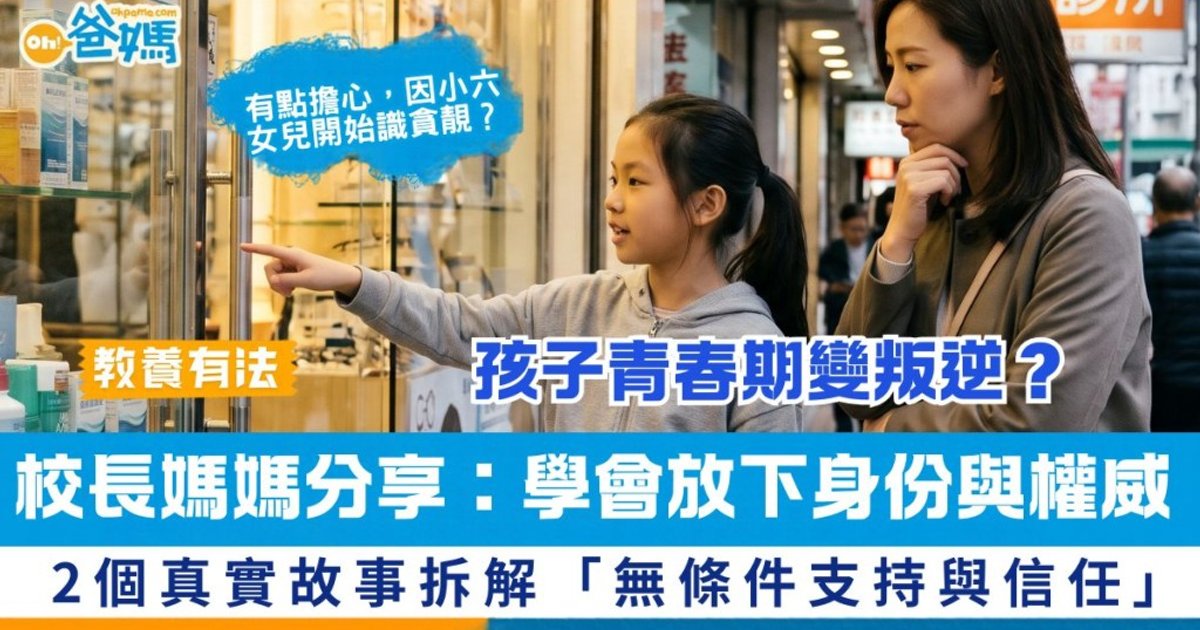
- For her eldest daughter's desire to wear contact lenses, she chose open communication over prohibition, expressing concerns about eye infection risks and costs
- When her youngest daughter forgot PE clothes, she set aside her "principal" identity and sent the domestic helper to deliver them before class
Why It Matters
As Hong Kong parents grapple with intense academic competition and the "don't lose at the starting line" mentality, Ng's perspective offers a counter-narrative grounded in her dual experience as both educator and parent—demonstrating that structured freedom and emotional support can cultivate the resilience and independent thinking that AI-era children desperately need .
As Hong Kong parents grapple with intense academic competition and the "don't lose at the starting line" mentality, Ng's perspective offers a counter-narrative grounded in her dual experience as both educator and parent—demonstrating that structured freedom and emotional support can cultivate the resilience and independent thinking that AI-era children desperately need .