Snake Sightings Rise in Hong Kong Heat, Experts Defend Misunderstood Rodent Hunters
Bastillepost · 1 SOURCESabout 1 hour ago5 MIN
Summary
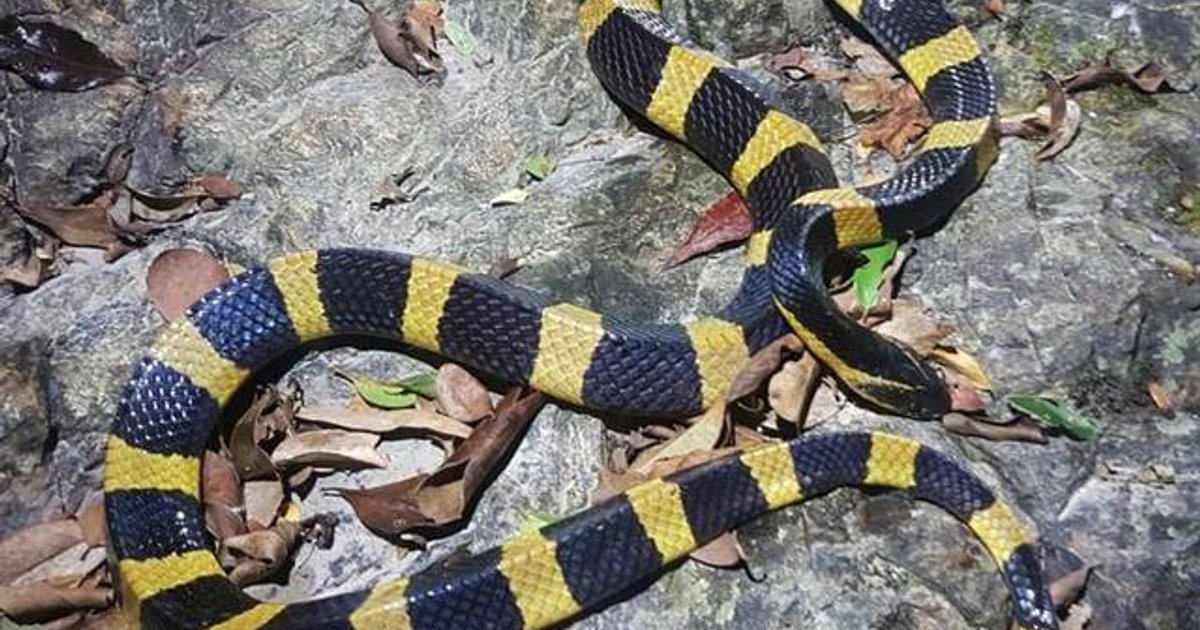
Hong Kong is experiencing a notable increase in snake encounters as scorching temperatures drive these cold-blooded reptiles from rural habitats toward urban edges. The surge in sightings has reignited public fear, yet experts say the reaction is largely unfounded. Among Hong Kong's more than 50 recorded terrestrial snake species, the vast majority are either non-venomous or possess only mild toxins incapable of causing serious harm . Only approximately eight native terrestrial species are considered genuinely dangerous to humans. Most snakes are naturally shy and would rather flee than confront humans, with the vast majority of bites occurring only when people accidentally step on them or deliberately provoke them .
Key Points
- Hong Kong has documented over 50 terrestrial snake species, with roughly eight capable of delivering lethal venom .
- Zhejiang's Zixu Miao Village (子胥廟村) exemplifies snake utility, where 90 percent of families breed snakes commercially .
- Snake venom commands prices exceeding gold per gram in biomedical markets, demonstrating significant economic value .
- Guangzhou alone consumes up to 14,000 tons of snakes annually during peak consumption season .
- Safety experts recommend maintaining at least two meters distance and allowing snakes to pass calmly .
Why It Matters
Hong Kong's densely populated urban environment means human-snake encounters are inevitable, making public education critical for reducing both unnecessary snake deaths and preventable bite injuries. Understanding snakes' ecological contribution as efficient rodent predators could shift public perception from fear to coexistence, potentially reducing conflict and supporting natural pest control in a city that imports millions of rats annually.
Hong Kong's densely populated urban environment means human-snake encounters are inevitable, making public education critical for reducing both unnecessary snake deaths and preventable bite injuries. Understanding snakes' ecological contribution as efficient rodent predators could shift public perception from fear to coexistence, potentially reducing conflict and supporting natural pest control in a city that imports millions of rats annually.