Korean Job Seeker's Virtual Temple Goes Viral, Drawing 600K Users in 3 Days
SingTao · 2 SOURCESabout 3 hours ago5 MIN
Summary
A 26-year-old South Korean job seeker has created a virtual Buddhist temple website that attracted over 600,000 visitors within just three days of its launch. Park Jin-won (朴鎮源), a recent English graduate facing job-hunting pressure, developed the AI-powered platform called "Sansa" to offer stressed young people a convenient meditation space. The website features 3D virtual dojos where users can sit, chant, and perform Buddhist rituals without social interaction, appealing particularly to introverts and overworked office workers.
Key Points
- Park Jin-won, 26, created the "Sansa" (山寺) virtual temple using AI technology, which launched in late October and drew 600,000+ visitors in three days
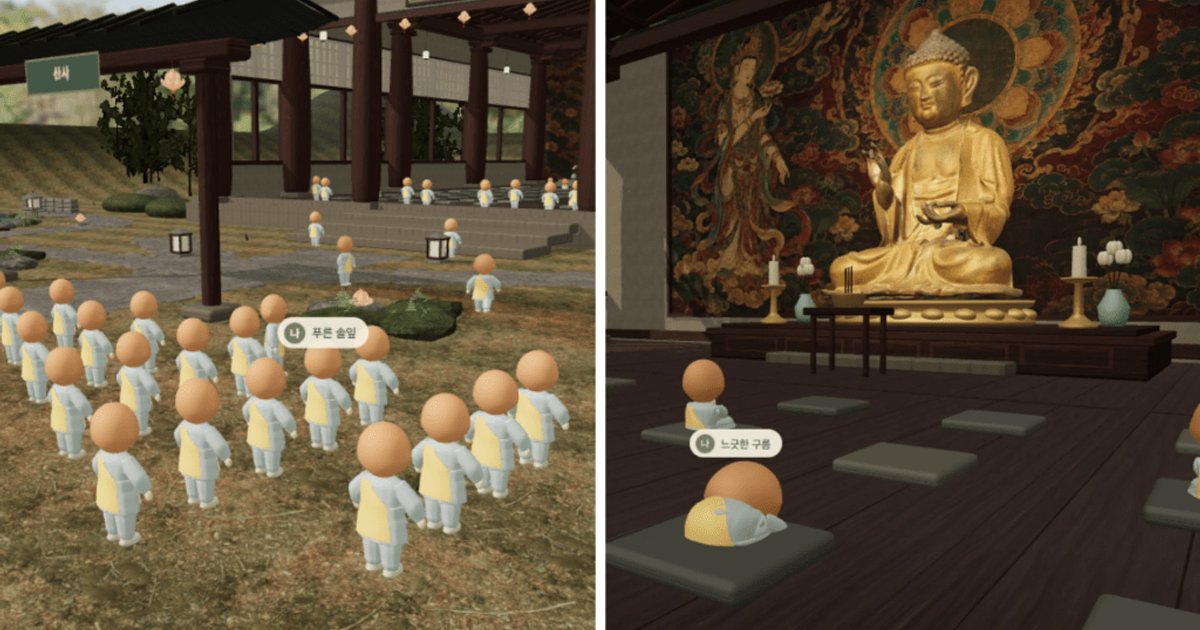
- Users access the browser-based platform without downloading any app, receiving a random Q-version "little monk" character with poetic titles like "Leisurely Clouds" or "Faint Moonlight"
- The 3D wooden dojo features a golden Buddha statue, prayer cushions, and interactive elements including "108 bows," scrolling prayer beads, and striking a wooden fish, accompanied by Heart Sutra chanting
- The platform deliberately prohibits text or voice communication between users, creating a private sanctuary free from social pressure
- Capacity was expanded from 20 to 10,000 seats per venue, with 100 dojos now operating, while visitors came from Hong Kong, Taiwan, Vietnam, Thailand, and even Catholic and Christian users
Why It Matters
Seoul University religious studies professor Seong Hae-young (成海英) suggests modern young people facing economic uncertainty find resonance in Buddhism's accepting attitude that "life is suffering," and the anonymity of online spaces allows them to reflect freely without external judgment . This phenomenon highlights how digital spaces are increasingly filling gaps in traditional mental health support, offering accessible, stigma-free alternatives for spiritual and emotional respite amid high-pressure environments like Korea's competitive job market.
Seoul University religious studies professor Seong Hae-young (成海英) suggests modern young people facing economic uncertainty find resonance in Buddhism's accepting attitude that "life is suffering," and the anonymity of online spaces allows them to reflect freely without external judgment . This phenomenon highlights how digital spaces are increasingly filling gaps in traditional mental health support, offering accessible, stigma-free alternatives for spiritual and emotional respite amid high-pressure environments like Korea's competitive job market.