US-Iran Nuclear Talks Stalled Over Scope, Visa Dispute Erupts at IAEA
SingTao · 2 SOURCES1 day ago3 MIN
Summary
The United States has dealt a diplomatic blow to Iran by successfully blocking Tehran's nuclear chief from attending this week's International Atomic Energy Agency (IAEA) annual conference in Vienna, with American officials confirming their opposition to a travel ban waiver before a United Nations sanctions committee . Separately, American negotiators are insisting that any future talks with Iran must center exclusively on the Islamic Republic's nuclear program, rejecting Tehran's attempts to link the discussions to the reopening of the Strait of Hormuz, according to reports published Monday . Iran, however, has made clear to regional partners that it will only engage in nuclear negotiations once the maritime disputes—including what Tehran views as an American naval blockade—are resolved . The deadlock comes as Gulf states and European officials show marginally softening opposition to an Omani-proposed framework for Hormuz navigation that would allow voluntary payments for safety and environmental services, though toll collection by Iran remains unacceptable to all parties .
Key Points
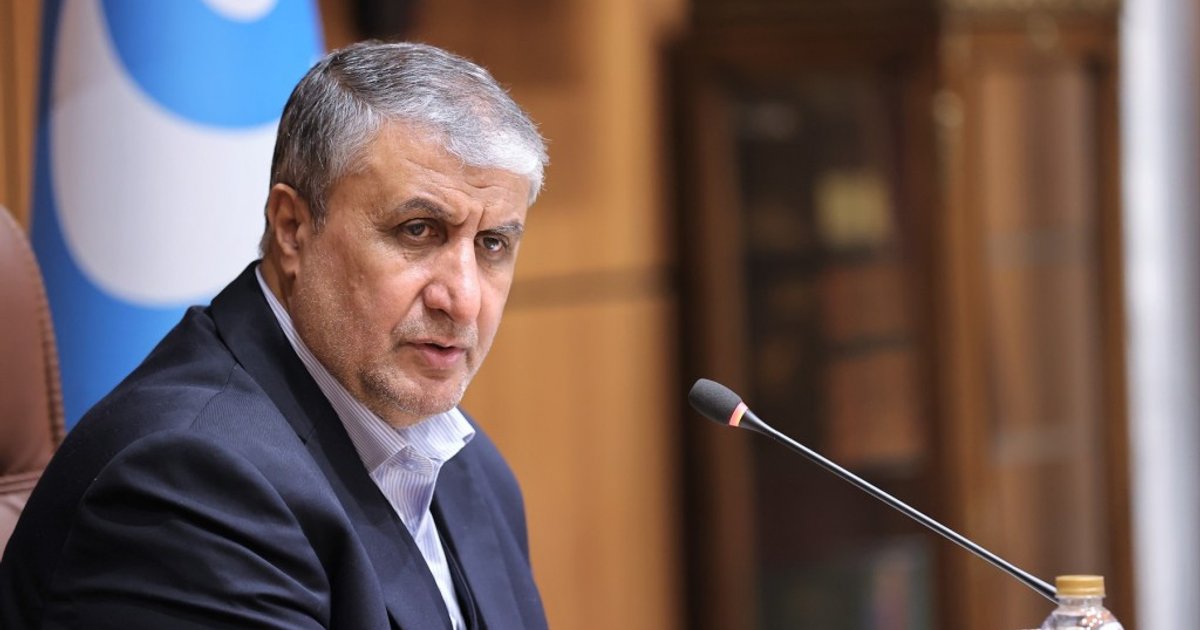
- Mohammad Eslami, Iran's nuclear affairs chief, was prevented from traveling to Vienna after the United States opposed a waiver that would have exempted him from UN "snapback" sanctions travel restrictions
- Iran's IAEA ambassador denounced the visa revocation as "clearly a political action" reflecting the politicization of the international agency
- The US National Security Council reportedly told Gulf allies that American negotiators will only discuss Iran's nuclear program, not the Strait of Hormuz navigation issues
- The primary sticking point in Hormuz navigation talks is whether vessels should pay fees, with Iran seeking toll rights while other parties refuse this demand
- Oman has proposed a framework allowing voluntary payments for navigation safety and environmental protection, a proposal US officials have reviewed but not endorsed
- Austria, as host of the IAEA conference, requested the travel waiver from the UN Security Council sanctions committee but was overruled when the United States registered its objection
Why It Matters
The simultaneous diplomatic ruptures—blocking Iran's envoy from an international forum and refusing to negotiate on the strategic waterway through which roughly one-fifth of the world's oil passes—signals that both sides are hardening their positions . For Hong Kong, which relies on Middle East energy supplies and hosts major shipping and trading houses with Gulf exposure, an extended deadlock increases the risk of supply chain disruptions and elevated maritime insurance costs should incidents occur in the Strait of Hormuz .
The simultaneous diplomatic ruptures—blocking Iran's envoy from an international forum and refusing to negotiate on the strategic waterway through which roughly one-fifth of the world's oil passes—signals that both sides are hardening their positions . For Hong Kong, which relies on Middle East energy supplies and hosts major shipping and trading houses with Gulf exposure, an extended deadlock increases the risk of supply chain disruptions and elevated maritime insurance costs should incidents occur in the Strait of Hormuz .