Fiji Declares HIV Emergency as 1 in 60 Adults Infected
AM730 · 2 SOURCESabout 3 hours ago2 MIN
Summary
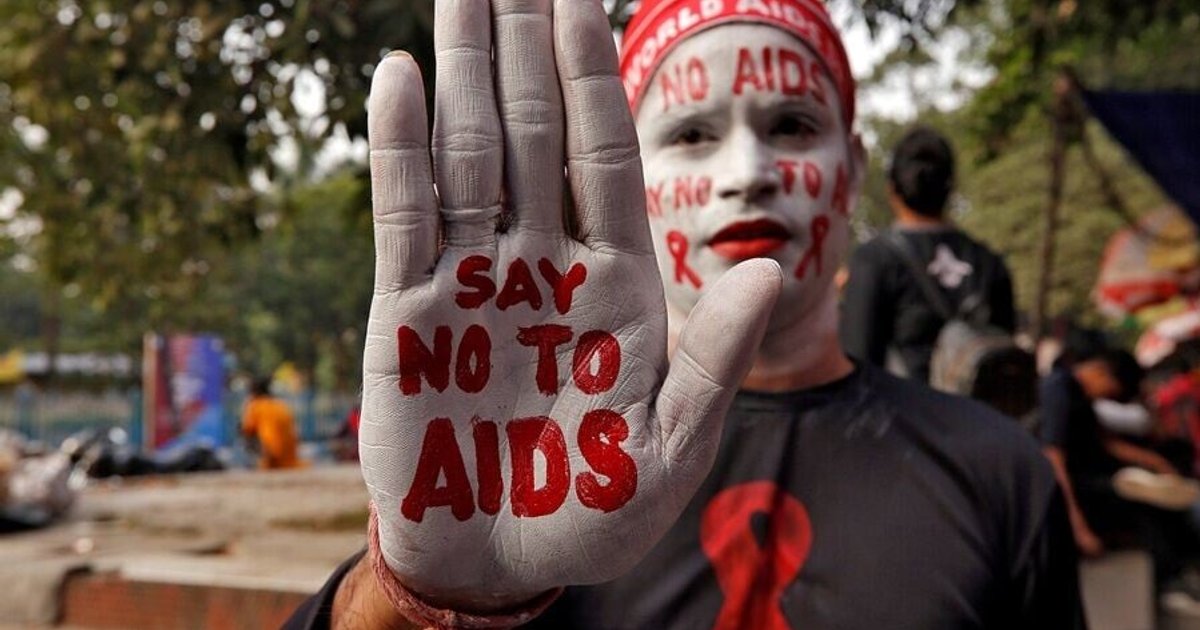
Fiji has declared a national HIV emergency as the Pacific island nation faces one of the world's fastest-growing HIV epidemics, with infection rates soaring to approximately 1 in 60 adults. The declaration by Health Minister Atonio Lalabalavu on Tuesday came as official data revealed 2,016 new HIV cases recorded in 2025, a staggering 16-fold increase from 2019 figures . The crisis has been exacerbated by Fiji's emergence as a major transit hub for methamphetamine trafficking from the Americas to Australia and New Zealand, leading to a spike in needle sharing and subsequent virus transmission . With only about 36 to 39 percent of those infected aware of their status, the minister has urged widespread testing and emphasized that society must eliminate the stigma preventing people from seeking diagnosis and treatment .
Key Points
- Fiji recorded 2,016 new HIV infections in 2025, a dramatic increase compared to 2019 levels that authorities describe as a 16-fold surge .
- An estimated 9,000 Fiji residents are living with HIV as of March 2026, with approximately 1 in 60 adults now carrying the virus .
- The country has become a key transit point for methamphetamine trafficking from the Americas to Australia, New Zealand and parts of Asia, fueling injection drug use .
- Only 39 percent of patients were aware of their HIV status, and merely 22 percent were receiving treatment, leaving significant gaps in care .
- HIV-related deaths climbed from 25 in 2021 to 117 in 2025, while mother-to-child transmission has resulted in 59 babies acquiring the virus from their mothers .
Why It Matters
Fiji's HIV crisis represents a stark warning for the broader Asia-Pacific region, where drug trafficking routes and weak prevention infrastructure could allow similar outbreaks to take hold. The fact that less than 40 percent of infected individuals know their status means thousands may unknowingly transmit the virus, underscoring the urgent need for expanded testing and treatment programs across neighboring island nations and territories .
Fiji's HIV crisis represents a stark warning for the broader Asia-Pacific region, where drug trafficking routes and weak prevention infrastructure could allow similar outbreaks to take hold. The fact that less than 40 percent of infected individuals know their status means thousands may unknowingly transmit the virus, underscoring the urgent need for expanded testing and treatment programs across neighboring island nations and territories .