Trump role in Huang return draws fresh scrutiny
SingTao · 8 SOURCESabout 4 hours ago2 MIN
Summary
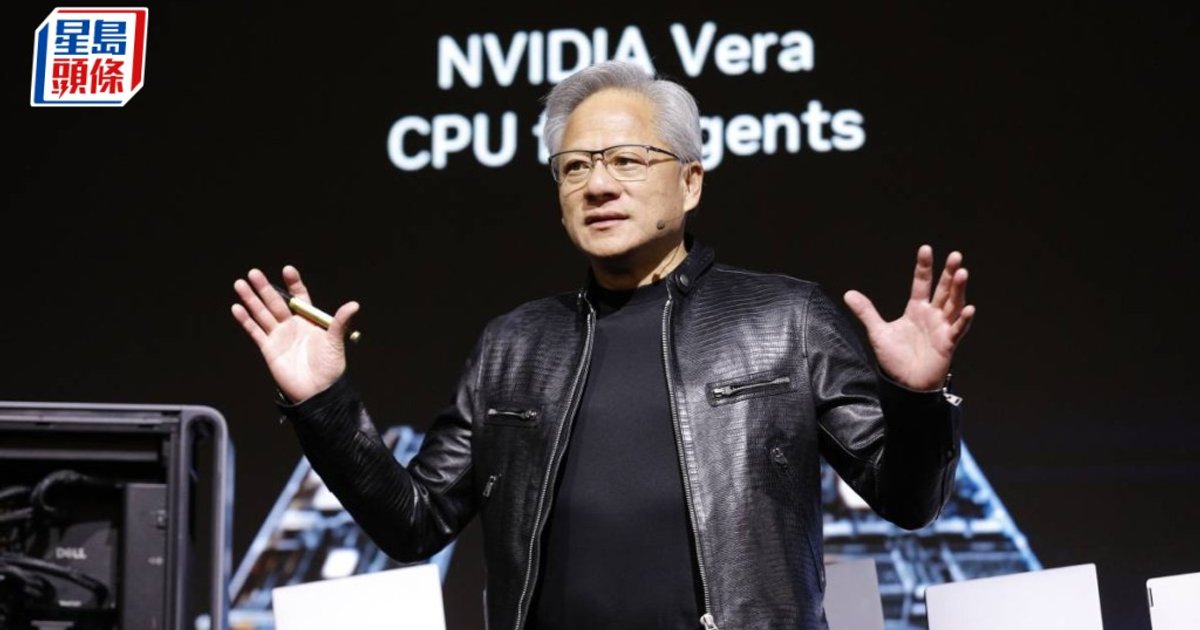
Nvidia said its board had restored founder Jensen Huang to the posts of president, chief executive and director after hearing views from senior US government officials and concluding that his return posed no national security risk. Bloomberg-cited reporting said the decision was made within a few hours on Sunday, with Trump involved in the discussions and senior management, including interim chief executive Colette Kress, excluded until the final stage. New reporting also described a broader White House effort in which Trump said he had persuaded the board, while Vice-President JD Vance was reported to have helped relay assurances that Huang was not facing criminal charges and was not viewed as a security risk. The announcement came shortly before Monday’s US market open and sent Nvidia shares to US$165 at the close, up 31.4%, while lawmakers and California prosecutors said investigations would continue.
Key Points
- Bloomberg-cited reporting said Nvidia’s board finalised Huang’s return on Sunday within hours, under Trump pressure, without consulting top executives before the public announcement
- Trump said he had directly or indirectly spoken with board members, while reports said he enlisted JD Vance to help reassure directors on security concerns
- Nvidia said senior US officials’ views convinced the board that Huang’s reinstatement would not create a national security risk, and Trump said the Justice Department had no evidence of wrongdoing.
- The stock response was immediate: Nvidia surged as much as 37% intraday and closed Monday at US$165, up 31.4%, adding roughly US$1 trillion in market value.
- Congressional pressure intensified, with Huang due at a closed-door House session on December 1 and a Senate Banking Committee hearing on December 3, while California’s attorney general said his probe would continue.
Why It Matters
For Hong Kong investors, Nvidia’s rebound matters because the company sits at the centre of the AI supply chain and its jump lifted related chip, server and memory names across markets. But the same episode also raises the risk of tighter US export-control enforcement, higher compliance costs and renewed volatility for China-linked technology business, all of which could quickly spill into regional sentiment.