Shenzhen Satire Souvenirs Turn City Stress Into Culture
HK01 · 1 SOURCESabout 4 hours ago5 MIN
Summary
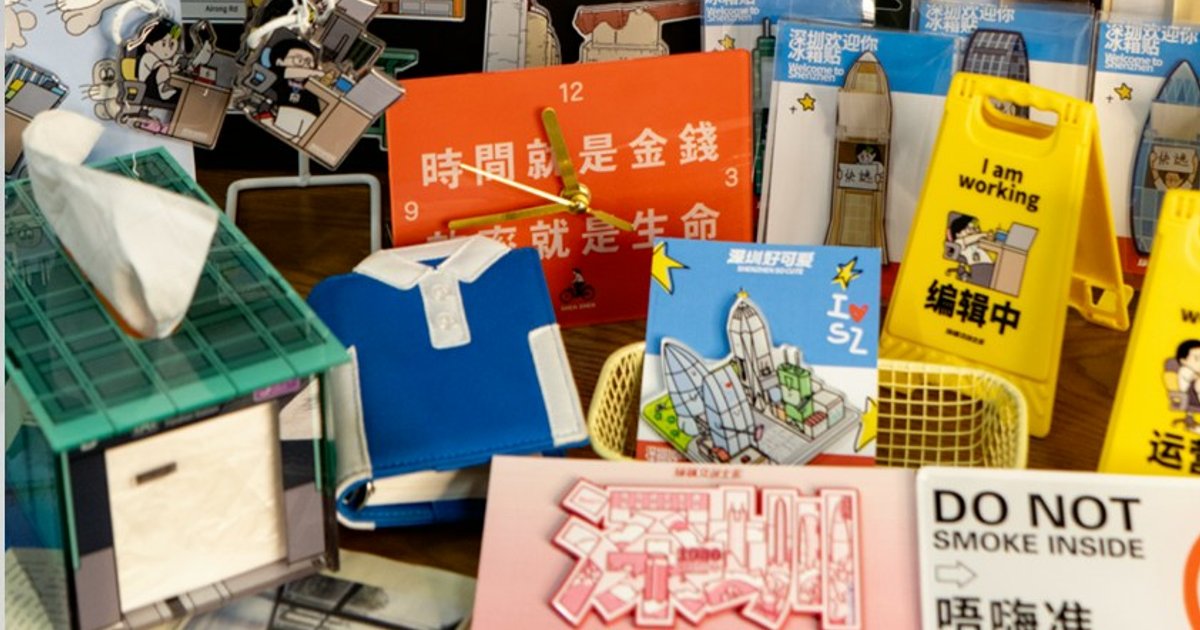
A feature by HK01 profiles Shenzhen creative brand Zhenqiang Store, founded in 2024 by Shenzhen-born illustrator Chan Wai-wing (陳維榕), who turns the city’s jokes, anxieties and working-life stereotypes into souvenirs such as magnets, keychains and novelty bottle openers. His products draw on labels often attached to Shenzhen, including its image as a money-making machine and a city of overworked employees, but repackage them as local identity markers rather than insults. Chan argues that Shenzhen’s culture should not be judged only by historical heritage, saying the city’s real culture lies in its people, diversity, pragmatism and street-level vitality. The report also says his business remains roughly break-even and depends not only on retail sales but also on pop-up stores, corporate custom orders and brand collaborations
Key Points
- HK01 says Chan Wai-wing, born in 1993 and described as a “second-generation Shenzhener”, grew up in Shenzhen to parents who had moved there as builders of the city
- Before launching his brand, he studied art, worked at several self-media companies, drew motivational comics and sex-education illustrations, and saw earlier ventures fail
- His 2018 webtoon, “Second-generation Shenzhener: Want to come and become a Shenzhener?”, discussed identity, demolition culture and cultural mixing, drawing 400,000 reads
- He later continued telling Shenzhen stories through the “Ah Zhen and Ah Qiang” intellectual property, then created Zhenqiang Store in 2024
- Best-known items include “Shenzhen money” magnets, office-worker keychains, fake “Shuibei gold” bar bottle openers and hand-drawn magnets for more than 300 Shenzhen high schools
Why It Matters
For Hong Kong readers, the story offers a nearby example of a city often mocked as culturally thin trying to build identity through design, humour and everyday experience rather than monuments or official narratives. It also echoes a familiar tension in Hong Kong’s own cultural industries: creators may pursue emotional attachment and local memory, but survival still depends on whether sentiment can be turned into a workable business model