US Supreme Court Rejects Bid to Halt California Ballots
SingTao · 2 SOURCESabout 4 hours ago2 MIN
Summary
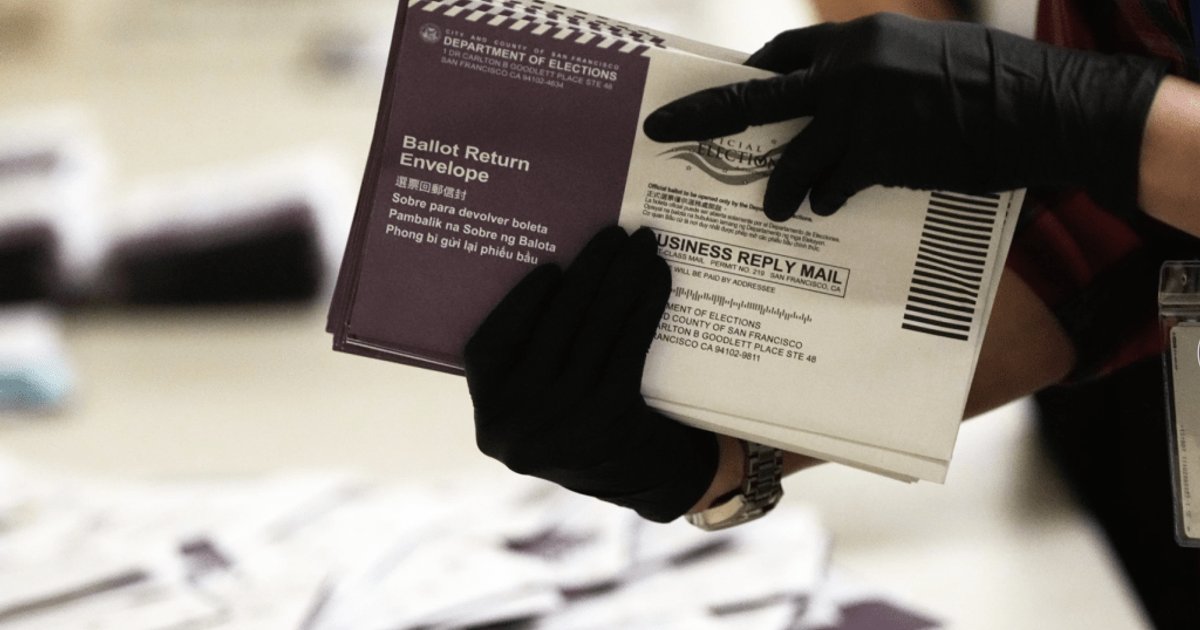
On November 2, Eastern Time, one day before voting in the US midterm elections, the Trump administration filed an emergency appeal to the Supreme Court seeking to block the counting of about 20,000 California mail ballots it said were linked to voters with questionable citizenship status. The administration asked that the ballots be segregated and kept out of the tally while litigation continued, arguing that once mixed with valid ballots they could not be separated. The Supreme Court rejected the request the same day, without giving reasons, marking another legal setback for the administration's election challenge in California. Lower federal courts had already turned down the Justice Department's earlier attempts to obtain similar relief.
Key Points
- The US Department of Justice asked the Supreme Court for a limited injunction to keep roughly 20,000 disputed California mail ballots separate during ongoing litigation
- Solicitor General D. John Sauer argued in court papers that once challenged ballots were mixed with lawful votes, they could no longer be isolated
- Federal District Judge David O. Carter had sharply rejected the request earlier, warning it could disenfranchise eligible citizens before Tuesday's midterm vote
- California officials said the federal government's suspect-voter list was highly unreliable and could include many US citizens legally entitled to vote
- California Attorney General Bonta accused the Trump administration of undermining elections, while the Supreme Court denied the emergency request without explanation
Why It Matters
For Hong Kong readers following US politics, the ruling underscores how election administration and court intervention can become central battlegrounds in a closely watched vote over control of Congress. It also shows that even urgent federal appeals can fail when judges see a risk of disrupting an active election or affecting lawful voters.