S Korean Group Alleges N Korea Operated Secret Prison Inside Beijing Embassy
On.cc · 2 SOURCESabout 5 hours ago3 MIN
Summary
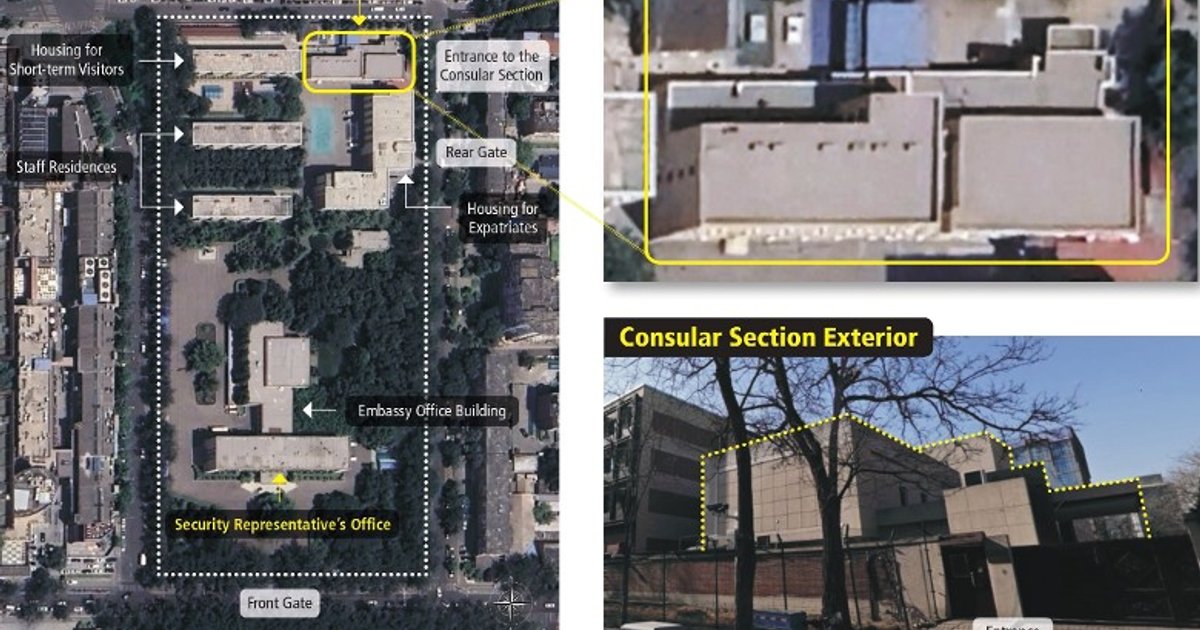
A South Korean human rights organization has published a report alleging that North Korea operated a secret underground prison within its embassy in Beijing, used to imprison and interrogate citizens attempting to flee the country. The Transition Justice Working Group cited former North Korean diplomats and other unnamed sources in its Tuesday report, claiming the covert detention facility was located in the basement of the consular building in Beijing's Chaoyang District. According to the findings, Chinese law enforcement agencies including the police and Ministry of State Security actively assisted in tracking and capturing defectors. The report documented a specific case involving a North Korean hacker who allegedly spent approximately one year in the facility before being forcibly repatriated via Air Koryo in August 2023.
Key Points
- The secret detention facility was located in the basement of the North Korean embassy consular building in Chaoyang District, Beijing, according to sources cited in the report
- Chinese police and the Ministry of State Security assisted in locating and apprehending defectors, who were lured to Beijing for interrogation before repatriation
- North Korean diplomatic staff, students, party officials, and agents abroad who showed signs of defection were reported to Pyongyang within 12 to 24 hours
- Security representatives dispatched by the North Korean National Intelligence Service, operating under diplomatic cover as consular officials, coordinated the entire process
- A North Korean hacker identified as Pae Yong Ju was captured in Inner Mongolia in 2022 while attempting to defect to South Korea; after roughly six months of Chinese interrogation, he was handed to the North Korean consulate in Shenyang, transferred to the Beijing facility two days later, and held for about one year before being forced onto a flight back to Pyongyang on August 29, 2023
Why It Matters
This report exposes what could be a systematic violation of international refugee protection norms, with significant implications for the human rights of North Korean escapees who look to China as a transit country. The alleged complicity of Chinese authorities in maintaining detention facilities on foreign soil raises serious questions about Beijing's obligations under international law and its stance on non-refoulement. The transformation of diplomatic premises into instruments of persecution undermines the very foundations of diplomatic immunity and international norms governing the treatment of asylum seekers .
This report exposes what could be a systematic violation of international refugee protection norms, with significant implications for the human rights of North Korean escapees who look to China as a transit country. The alleged complicity of Chinese authorities in maintaining detention facilities on foreign soil raises serious questions about Beijing's obligations under international law and its stance on non-refoulement. The transformation of diplomatic premises into instruments of persecution undermines the very foundations of diplomatic immunity and international norms governing the treatment of asylum seekers .