Medical Council Closes Case Nine Years After Policewoman's Postpartum Death
HK01 · 2 SOURCESabout 2 hours ago6 MIN
Summary
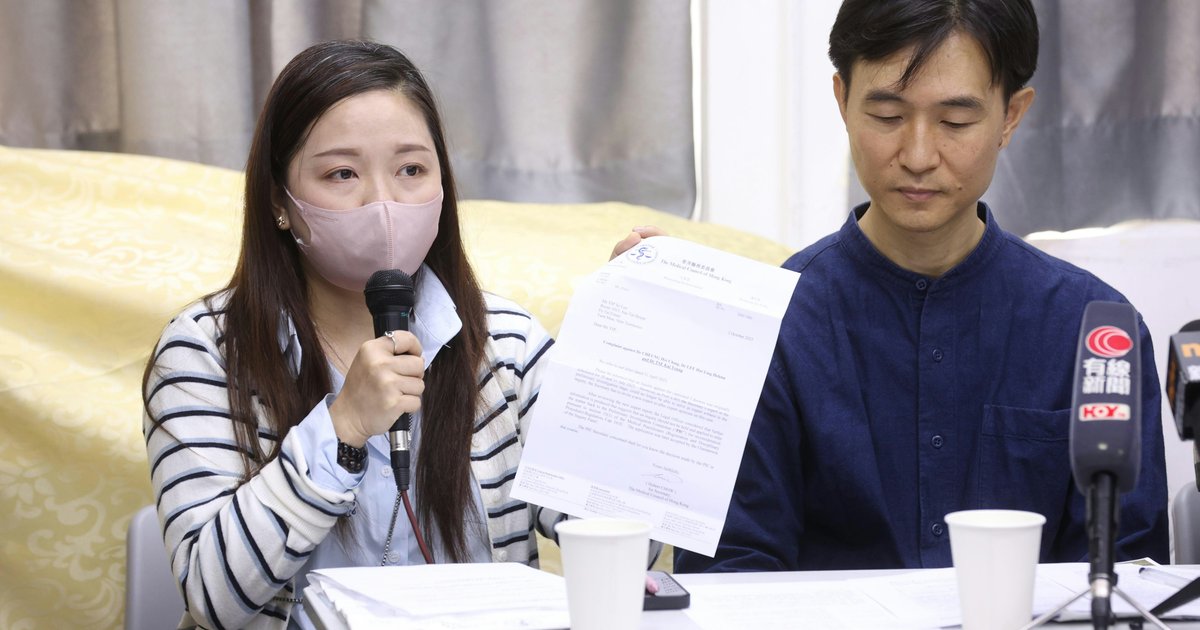
A 26-year-old police officer identified as Ms Yip died in 2016 after undergoing induced labor at Queen Elizabeth Hospital in Hong Kong. She experienced massive hemorrhage following a hysterectomy and could not be saved. The Coroner's Court in 2022 returned a verdict of death by misadventure, criticizing the medical team for failing to detect a retained placenta and for removing her uterus without properly replenishing clotting factors, ultimately causing her death from massive intra-abdominal bleeding. After nine years of deliberation, the Medical Council notified the family in early October 2026 that it was closing the complaint due to "insufficient evidence." The family has since written to Health Bureau Secretary Lo Chung-kau demanding a review. A support group for patients with chronic conditions also highlighted a second unrelated case involving another bereaved family that endured a years-long struggle with the Medical Council.
Key Points
- Ms Yip, a 26-year-old officer, died at Queen Elizabeth Hospital on December 14, 2016 after giving birth via induced labor; the Coroner's Court ruled death by misadventure in 2022
- Three doctors were involved: obstetrician-gynecologist Tse Kai-cheung (謝啟暘), and two others, Cheung Hoi (張凱) and Li Xu-yi (李栩翊)
- Doctors failed to notice a 5 x 5.5 cm piece of retained placental tissue; Tse admitted at the coroner's inquest that he "misread" the case
- Expert witness Professor Leung Tak-yeung from CUHK's Department of Obstetrics and Gynecology testified that hysterectomy was not necessary and the failure to supplement clotting factors was the direct cause of death
- The Medical Council's Preliminary Investigation Committee relied on its own expert who deemed the situation "normal," despite a fifth of the placenta being missing
Why It Matters
This case exposes systemic flaws in Hong Kong's medical accountability framework: the Medical Council took nine years to reach a decision while relying solely on medical experts drawn from the same profession, a structure that critics argue lacks independence and transparency. The case has prompted calls for the government to incorporate Coroner's Court verdicts and testimonies as formal evidence in Medical Council disciplinary proceedings, to prevent families from being caught in a protracted, uneven battle against the medical establishment.
This case exposes systemic flaws in Hong Kong's medical accountability framework: the Medical Council took nine years to reach a decision while relying solely on medical experts drawn from the same profession, a structure that critics argue lacks independence and transparency. The case has prompted calls for the government to incorporate Coroner's Court verdicts and testimonies as formal evidence in Medical Council disciplinary proceedings, to prevent families from being caught in a protracted, uneven battle against the medical establishment.