Experts Share Survival Tips After Fatal Dog Attack in Ta Kwu Ling
HK01 · 2 SOURCESabout 3 hours ago5 MIN
Summary
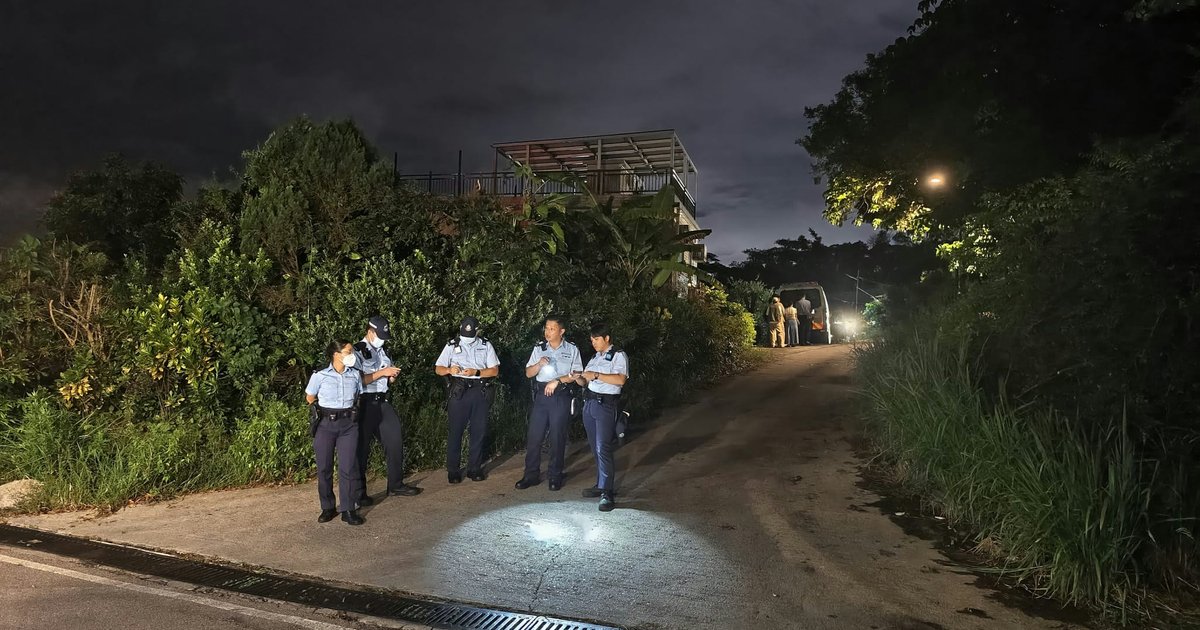
A fatal dog attack in Ta Kwu Ling's Ping Yeung New Village on December 20 has sparked urgent public discussion about canine safety and attack prevention. Professional dog trainers have since appeared on radio programs to offer expert guidance on how to survive a dog attack, emphasizing that most aggressive behavior stems from fear and accumulated stress rather than unpredictable violence.
Key Points
- The incident occurred in Ping Yeung New Village, Ta Kwu Ling on December 20, where a victim was attacked after feeding a dog that refused to enter its cage
- Professional trainer Eddie Choi explained that most aggressive behavior is predictable, typically arising from pressure, fear, or feeling threatened after prolonged accumulation
- Dogs usually issue warning signals before attacking, such as "biting air" gestures, but may escalate instantly if under extreme stress
- For medium to large dog attacks, experts advise using nearby objects to create distance rather than fighting back with hands or sticks
- If cornered with no tools available, victims should immediately clasp their hands over their head, protect their neck, and curl their body into the smallest shape possible to signal non-threat
- Dogs with fighting breed genetics, such as pit bulls, experience extreme adrenaline spikes that can eliminate their perception of pain or fear when stimulated
- Direct eye contact is interpreted as a挑衅 (challenge) in canine behavior, so experts recommend using peripheral vision while keeping one's body angled away
Why It Matters
This incident highlights the importance of proper dog training and responsible pet ownership in Hong Kong's rural areas, where guard dogs are common. As the expert trainers note, understanding canine body language and stress signals can prevent tragedies—most attacks are not random but result from accumulated pressure that owners may inadvertently create through forceful handling methods .
This incident highlights the importance of proper dog training and responsible pet ownership in Hong Kong's rural areas, where guard dogs are common. As the expert trainers note, understanding canine body language and stress signals can prevent tragedies—most attacks are not random but result from accumulated pressure that owners may inadvertently create through forceful handling methods .