EU and UK strike reset deals at Brussels summit
Thestandard · 4 SOURCESabout 1 hour ago2 MIN
Summary
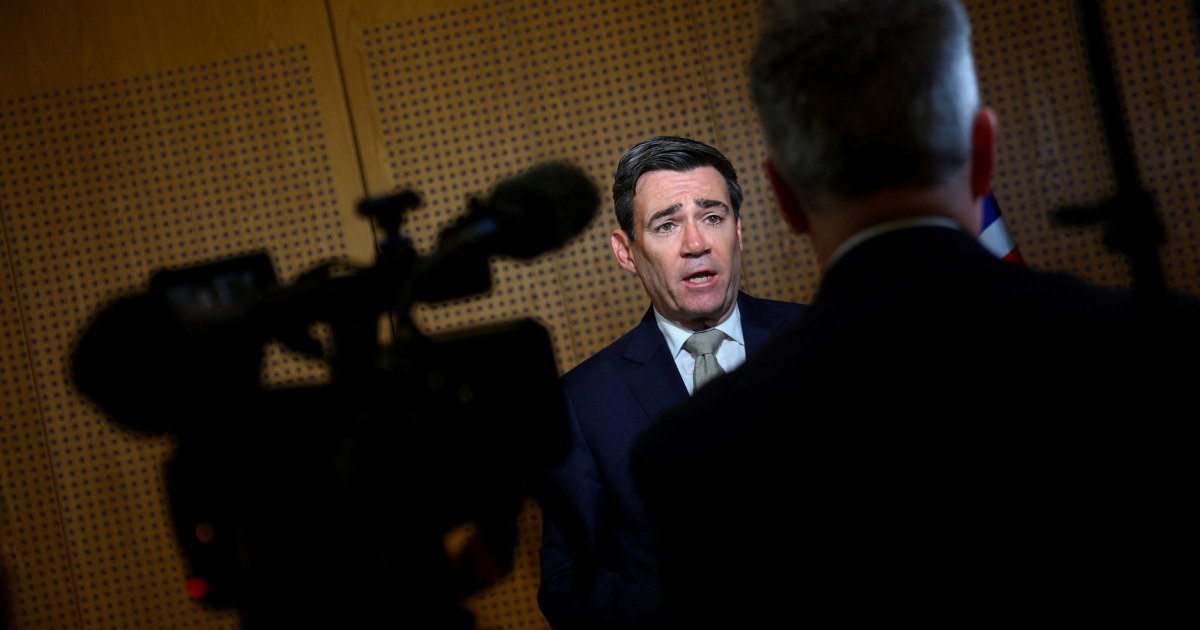
The European Union and Britain used their Brussels summit on Friday to conclude negotiations on three post-Brexit arrangements: agri-food trade, emissions trading and youth mobility. Prime Minister Andy Burnham met European Commission President Ursula von der Leyen and European Council President Antonio Costa as both sides tried to turn improved political mood into practical agreements. The summit was framed as a first step in Burnham's broader push to reset relations after years of Brexit rancour, but the two sides deferred a deal on university tuition fees for six months.
Key Points
- Burnham travelled to Brussels on Friday for talks with von der Leyen and Costa, with the summit billed as a reset in EU-UK ties after Brexit.
- The food and drink agreement aims to scrap most certificates and border checks on food, animal and plant products from March 1, 2028.
- London said easier food trade could add as much as £5.1 billion a year to the British economy, but Britain must align more closely with EU rules
- The youth mobility scheme would let 100,000 young people from each side live, work or study across the border for up to three years.
- Britain and the EU also agreed to link emissions trading systems from 2028, helping pave the way for reciprocal exemptions from carbon border levies.
Why It Matters
For Hong Kong readers, the summit shows how Europe and Britain are trying to lower friction in trade and mobility without reopening the full Brexit question before the next UK election. Families considering study in Britain should note that reduced tuition fees for EU students were not agreed and were pushed back for six months, even as a broader youth scheme moved ahead.