Fiji probes cocaine evidence swapped for flour
SingTao · 1 SOURCESabout 3 hours ago2 MIN
Summary
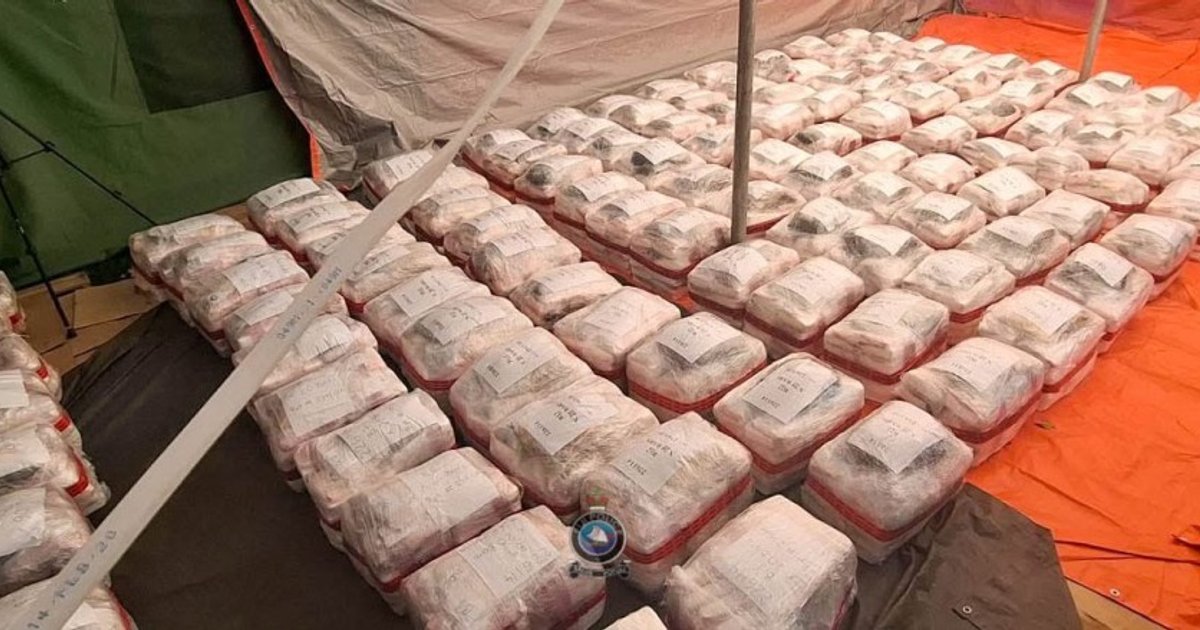
Fiji police have opened a major investigation after 39 cocaine bricks weighing about 40 kilograms were found to have been replaced with flour in the High Court evidence vault in Suva. The drugs, valued at US$14 million, had been seized in the 2019 Joshua Rahman case and were transferred from police custody to the court vault in March 2021. Police said six suspects have been identified, one of whom has already fled overseas, while investigators are reviewing CCTV footage and biometric access records. Prime Minister Sitiveni Rabuka has urged the public to keep faith in the justice system and warned that any insiders involved will face serious consequences
Key Points
- The missing evidence consisted of 39 cocaine bricks weighing about 40 kilograms, with an estimated value of US$14 million, or nearly HK$110 million
- Fiji police said initial tests in February and July 2019 returned positive results for cocaine before the exhibits were later stored in court custody
- The cocaine was first held by police, then transferred in March 2021 to the High Court evidence vault in Suva, where the swap was only recently discovered
- Investigators have taken statements from 27 people who had direct contact with the exhibits and have identified six suspects in the case
- A special task force at Criminal Investigation Department headquarters is examining documents, CCTV footage and biometric records, while police have taken over security at government buildings
Why It Matters
For Hong Kong readers, the case is a stark reminder that the integrity of evidence storage is central to criminal prosecutions and public confidence in the courts. The alleged tampering inside a secured judicial facility also shows how organised crime risks can extend beyond street-level trafficking into the institutions meant to safeguard the legal process