Hong Kong Police Volunteers Transform Hairdressing Skills into Community Care
HK01 · 2 SOURCESabout 2 hours ago2 MIN
Summary
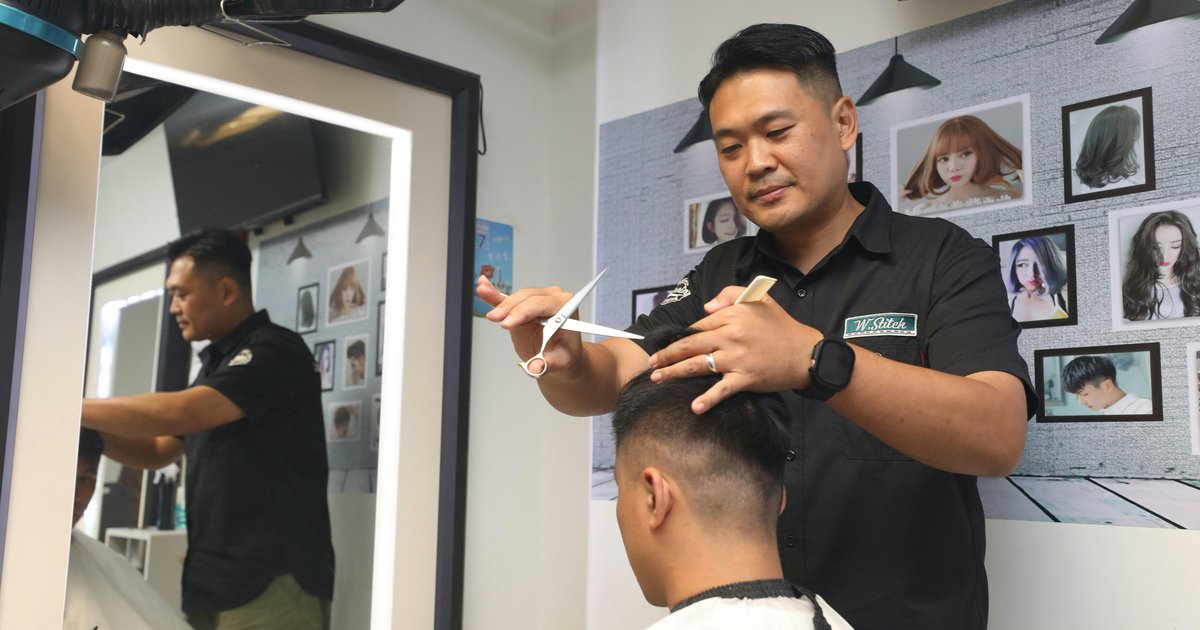
The Hong Kong Police Volunteer Service Team has been delivering free haircut services to elderly residents through its 'Love Haircut' programme since 2014, accumulating over 440 sessions across 22 care homes. The programme has gained attention following interviews published in the Hong Kong Police Force's newsletter 'Police Review', highlighting the dedication of volunteer officers who previously worked as professional hairdressers.
Key Points
- Sun Wenjie, a serving police officer who previously worked as a professional hairdresser, has been actively involved in volunteer haircutting services
- The 'Love Haircut' team was established in 2014 and has since serviced 22 care homes, completing more than 440 free haircut sessions
- Sun developed a systematic training programme to teach fellow officers proper scissors grip, electric shaver operation, and haircutting techniques
- Trainees practice on family and friends first, receiving guidance from Sun before joining official care home visits
- For elderly residents with limited mobility or bedridden individuals, Sun emphasises careful attention to scalp, ears, and neck areas during haircuts
Why It Matters
The programme exemplifies how professional skills acquired before joining the civil service can be leveraged for community benefit, demonstrating the force's commitment to public service beyond traditional law enforcement duties. As Hong Kong's elderly population grows, such volunteer initiatives provide essential services while fostering meaningful social connections between uniformed officers and vulnerable community members .
The programme exemplifies how professional skills acquired before joining the civil service can be leveraged for community benefit, demonstrating the force's commitment to public service beyond traditional law enforcement duties. As Hong Kong's elderly population grows, such volunteer initiatives provide essential services while fostering meaningful social connections between uniformed officers and vulnerable community members .