Hengda Football School Approved for Bankruptcy Restructuring, Guangzhou Sports University Takes Over
On.cc · 2 SOURCESabout 2 hours ago2 MIN
Summary
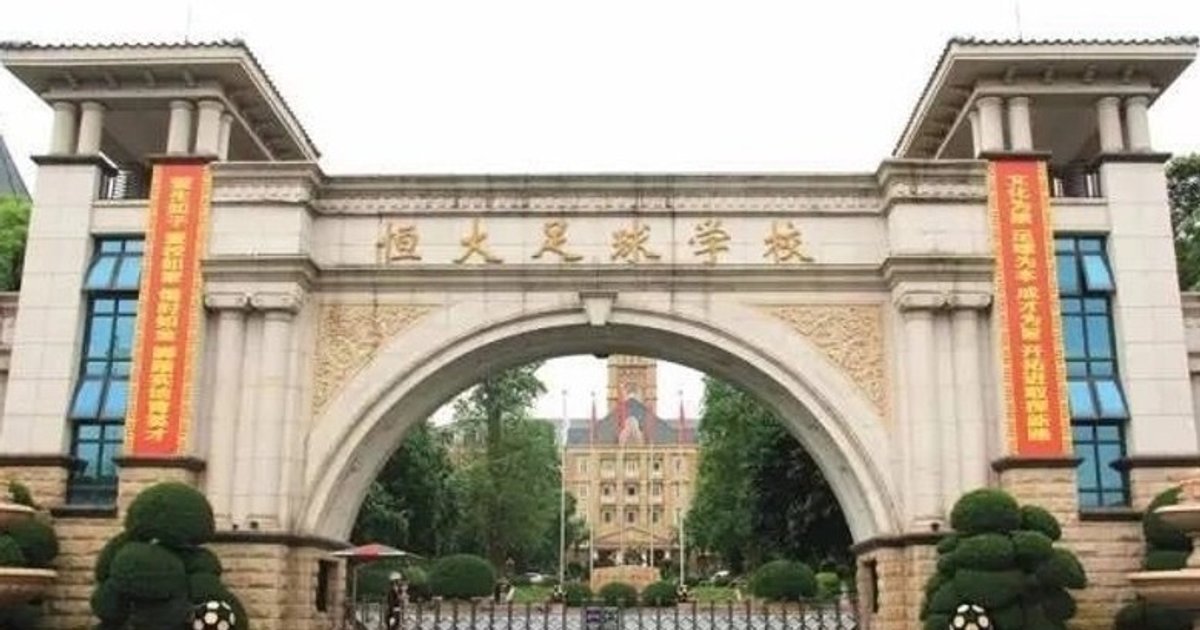
The Guangzhou Intermediate People's Court approved the bankruptcy restructuring plan for Evergrande Football School on June 21, designating Guangzhou Sports University as the strategic investor acquiring the institution for 600 million yuan. Of this amount, 490 million yuan will address outstanding debts while 110 million yuan supports ongoing operations and development. This ruling follows the conviction of Evergrande founder Hui Ka Yan, who received a life sentence on fraud charges one day prior.
Key Points
- Founded in 2011, the school occupied over 1,000 mu of land with 48 professional football pitches and was recognized as the world's largest boarding football academy
- Guangzhou Sports University will invest 600 million yuan total, with 490 million yuan allocated for debt settlement and 110 million yuan for operational continuity
- Student enrollment declined sharply from over 1,000 in 2021 to fewer than 500 currently, while teaching staff was reduced to approximately 130 personnel
- The academy produced over 1,000 selections to various national youth teams and supplied more than 100 players to Chinese Super League clubs
- The court's decision to approve restructuring rather than liquidation reflects creditor confidence in the school's residual value and comprehensive training infrastructure
Why It Matters
The restructuring preserves China's largest private youth football academy under new state-affiliated management, ensuring continuity for existing students and maintaining a talent pipeline for national football development. This outcome demonstrates how China's legal framework facilitates orderly asset recovery while protecting educational and sports infrastructure from complete dissolution .
The restructuring preserves China's largest private youth football academy under new state-affiliated management, ensuring continuity for existing students and maintaining a talent pipeline for national football development. This outcome demonstrates how China's legal framework facilitates orderly asset recovery while protecting educational and sports infrastructure from complete dissolution .