40-Year-Old Ap Lei Chau Store Closes After Three Generations, Leaving Locals Heartbroken
SingTao · 1 SOURCESabout 3 hours ago2 MIN
Summary
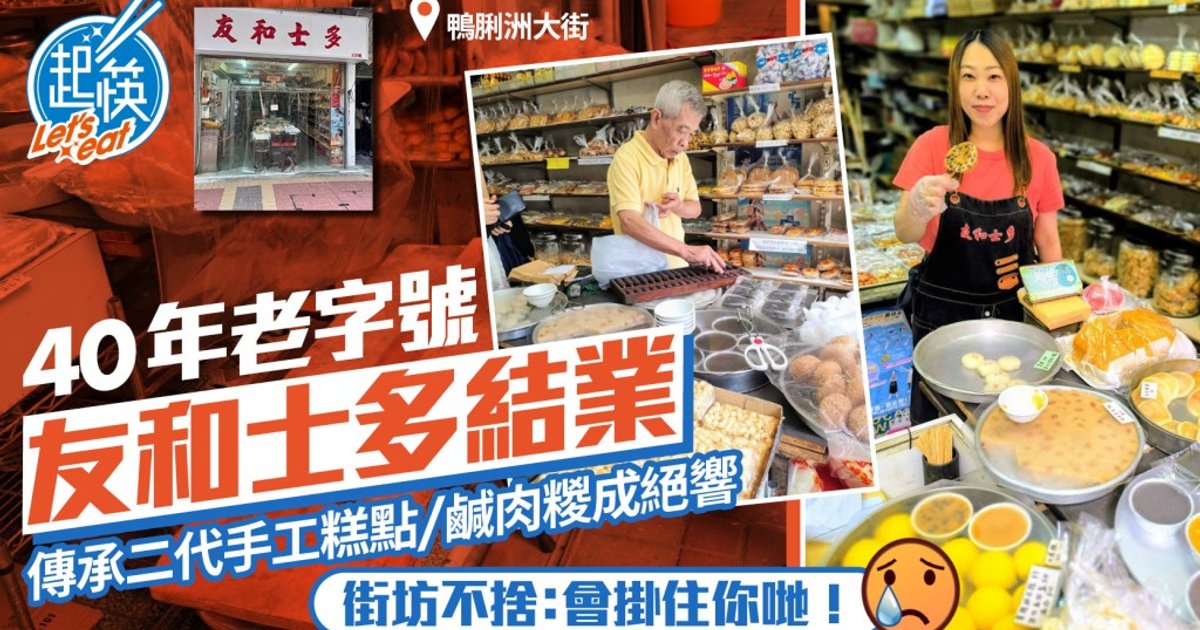
Yau Wo Store, a treasured neighborhood shop that served Ap Lei Chau for four decades, has announced its permanent closure. The store, established in 1986 by the current owner's parents, became a beloved fixture on Main Street and a repository of shared memories for generations of local residents. Its handmade traditional pastries and classic Hong Kong snacks have made it an irreplaceable part of the community's cultural fabric.
Key Points
- The shop originally opened in 1986 across from its current location, which was previously the owner's grandfather's "Tai Tung Department Store"
- The business transitioned through three generations: founded by parents in 1986, moved to current location in 2000, and taken over by the eldest daughter around 2010
- Signature products included lotus seed paste cakes, mung bean cakes, white sugar cakes, red bean pastry, sago cakes, and the highly sought-after savory rice dumplings
- The store once sold nearly everything locals needed, from bottled Coca-Cola to Garden ice pops, and featured a Yes Card vending machine popular in the 1990s
- Customers recalled the shop's communal black telephone, which neighbors freely used in the pre-mobile era to chat about homework and personal matters
Why It Matters
The closure of Yau Wo Store highlights the accelerating disappearance of traditional neighborhood shops that have defined Hong Kong's distinctive community character for decades. As these family-run establishments fade away amid rising costs and changing lifestyles, residents lose more than just a place to buy snacks - they lose gathering spaces where collective memories were forged and intergenerational bonds were strengthened .
The closure of Yau Wo Store highlights the accelerating disappearance of traditional neighborhood shops that have defined Hong Kong's distinctive community character for decades. As these family-run establishments fade away amid rising costs and changing lifestyles, residents lose more than just a place to buy snacks - they lose gathering spaces where collective memories were forged and intergenerational bonds were strengthened .