Film Empty Gun Revives 1990s Hong Kong Life, Cast Shares Nostalgic Memories
SingTao · 1 SOURCESabout 2 hours ago2 MIN
Summary
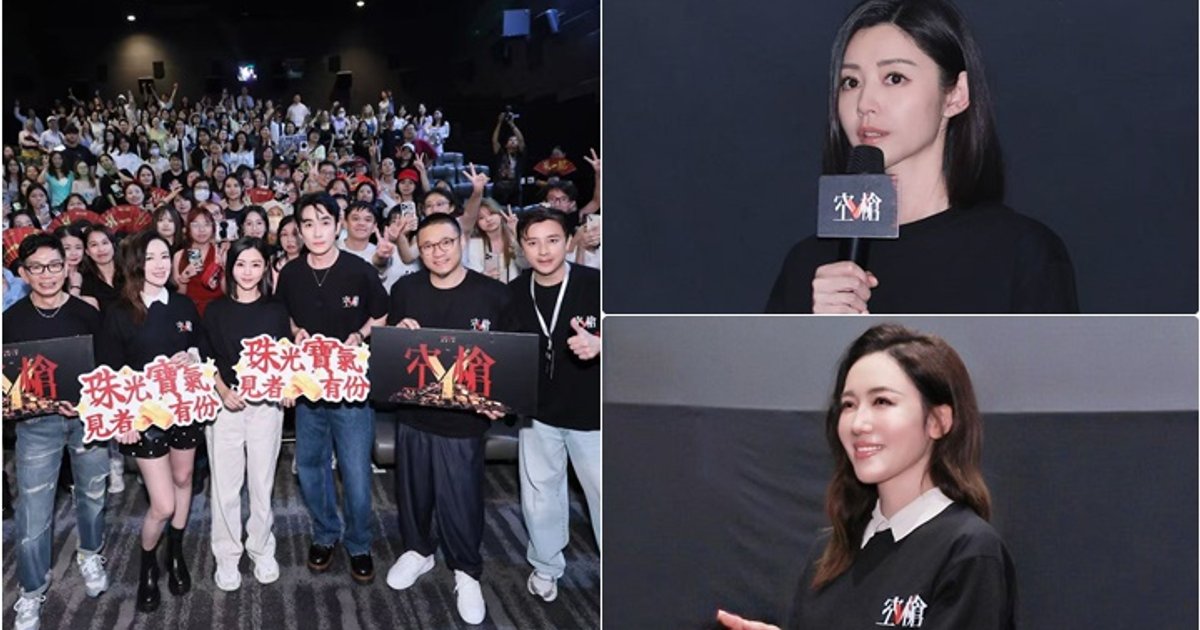
Crime film Empty Gun, directed by Han Yan and featuring an ensemble cast including Zhu Yilong, Tan Jianci, Leung Ka-fai, Michelle Wai, Kara Wai, Selena Li, and Yuen Fu-wa, vividly recreates 1990s Hong Kong as a "city of desire" with bold violence aesthetics and authentic crime atmosphere. The film is currently screening uncut in Category III rating. Director Han Yan led the cast on a Hong Kong promotional tour, engaging with audiences and sharing production stories. The 1990s setting prompted cast members to reminisce about a simpler era before mobile phones, when people memorized phone numbers and attended concerts with full attention on the performances rather than screens.
Key Points
- Michelle Wai, who was a teenager in the 1990s, described that era as a time of punctuality and sharp memory when friends had to arrange meeting times precisely since mobile phones were not yet popular
- Selena Li recalled that during the Four Heavenly Kings era, concert-goers did not use phones and everyone focused on the performance, noting that they wrote letters to each other, describing it as romantic
- Zhu Yilong, born in 1988, revealed he grew up watching Hong Kong films and visited Hong Kong for the first time around age 10, where he tried pineapple buns and fried rice noodles
- Tan Jianci shared that Hong Kong films and music from the 1990s greatly influenced his generation and inspired his decision to become a performing artist
- The film's premiere tour included stops across Hong Kong where the director and cast interacted directly with local audiences
Why It Matters
The film's detailed recreation of 1990s Hong Kong, combined with the cast's personal memories of that transformative period, resonates with Hong Kong audiences who lived through the era when the city was known globally as an entertainment powerhouse producing iconic films and music. This nostalgia-driven storytelling reflects a broader trend in Chinese-language cinema leveraging collective memory as cultural currency, potentially attracting both mature audiences seeking to relive cherished moments and younger viewers curious about their city's golden age of entertainment .
The film's detailed recreation of 1990s Hong Kong, combined with the cast's personal memories of that transformative period, resonates with Hong Kong audiences who lived through the era when the city was known globally as an entertainment powerhouse producing iconic films and music. This nostalgia-driven storytelling reflects a broader trend in Chinese-language cinema leveraging collective memory as cultural currency, potentially attracting both mature audiences seeking to relive cherished moments and younger viewers curious about their city's golden age of entertainment .