Four Signs It Is Time to Replace Running Shoes
SingTao · 1 SOURCESabout 2 hours ago2 MIN
Summary
A sports medicine column published on November 24 says runners should not rely only on whether a pair of shoes still looks good when deciding if it is time to replace them. The trade commonly uses 560 to 800 kilometres as a shoe inspection range, but durability also depends on body weight, running form, surface, rotation habits and frequency of use. Carbon-plated racing shoes should be checked at about 300 kilometres, while thick-soled training shoes can gradually lose cushioning as the foam compresses. The column says four practical warning signs may be more reliable retirement indicators than appearance alone.
Key Points
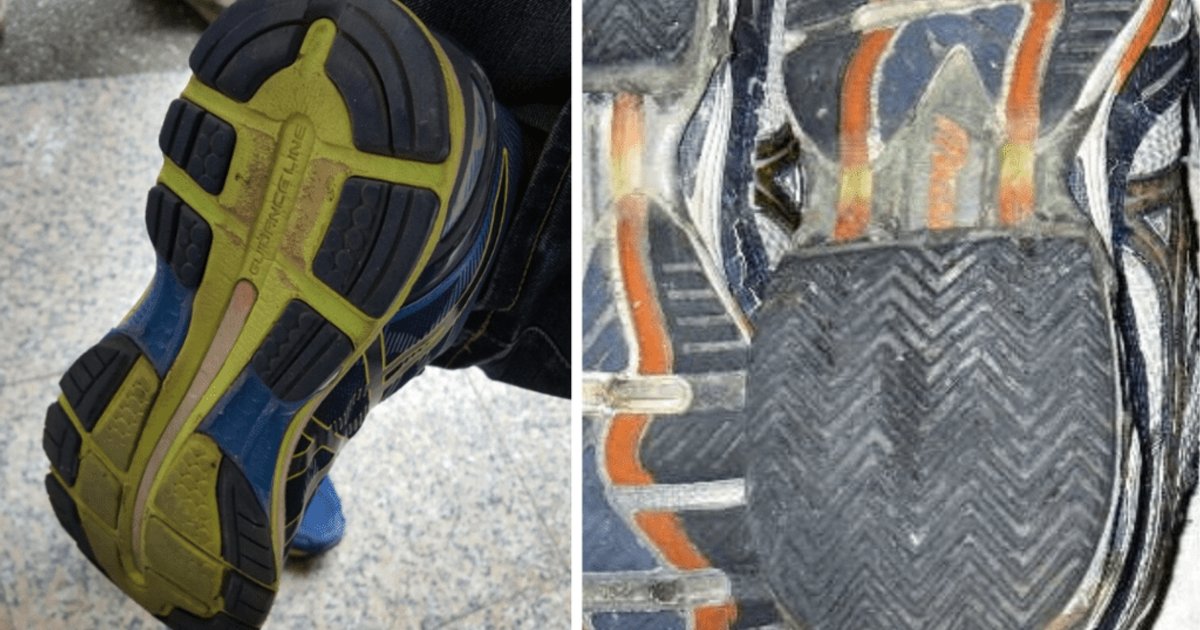
- The first warning sign is outsole wear: flattened tread, rubber worn through to the midsole, or heel thickness differences above four millimetres can upset grip balance.
- The second and most critical sign is midsole rebound loss, with foam aging before the outsole and showing uneven compression or slower spring-back under hand pressure.
- A third sign is failing upper and heel lockdown, when the heel still slips after lacing, blisters recur, or the heel cup collapses easily when squeezed.
- The fourth sign comes from the body: repeated soreness in the plantar area, Achilles tendon, calves or knees on the same pace and route may signal reduced protection.
- The column advises checking shoes around 560 kilometres, moving old pairs to walking use only, and buying a new pair at about half-life for rotation.
Why It Matters
For Hong Kong runners, the advice offers a practical way to judge shoe safety beyond price or appearance, especially when wet conditions can make worn shoes more slippery. Rotating shoes and spotting structural fatigue early may help reduce avoidable lower-limb strain and overuse injuries during regular training.