Shenzhen Ports Surpass 200 Million Cross-Border Travelers in 2026, Hitting Milestone 28 Days Early
Bastillepost · 1 SOURCESabout 2 hours ago2 MIN
Summary
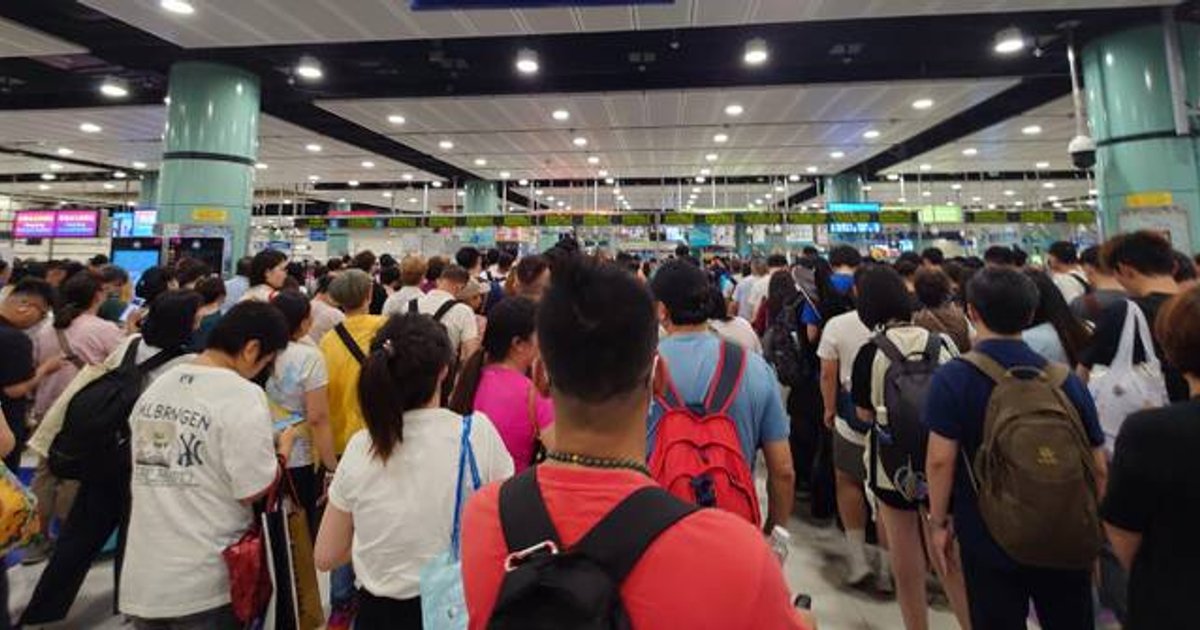
Shenzhen's border ports have achieved a historic milestone in 2026, with cumulative cross-border travelers surpassing 200 million as of September 5. The figure represents the fastest pace of growth on record, arriving 28 days ahead of when the same threshold was reached in 2025. The data from the Shenzhen Municipal Port Office reveals a pivotal shift in the region's demographic profile, with foreign nationals emerging as the fastest-growing segment of travelers. Hong Kong residents remain the core of cross-border traffic, though their proportional share has begun to decline.
Key Points
- Shenzhen ports have processed over 200 million cross-border travelers in 2026, reaching the milestone 28 days earlier than in 2025
- Hong Kong residents recorded 99.32 million cross-border trips in the first eight months of 2026, a 10.63 percent year-on-year increase, but their share of total traffic slipped from 75.01 percent to 73.87 percent
- Foreign nationals, Macau residents, and Taiwan visitors totaled 2.28 million trips in the first eight months, surging 24.62 percent year-on-year and growing at 2.3 times the rate of Hong Kong travelers
- The 33rd APEC Leaders' Informal Meeting scheduled in Shenzhen is expected to drive international business and tourism, with foreign visitor growth projected to exceed 28 percent in the second half of 2026, potentially reaching 4.8 million for the full year
- Six major ports including Huanggang, Futian, and Luohu have deployed facial recognition smart gates, with one in three travelers using the touchless system, cutting clearance times by 37.2 percent
Why It Matters
The surge in foreign travelers through Shenzhen's land crossings marks a fundamental transformation of the city from a commuter corridor between Hong Kong and the mainland into a premier international gateway for the Greater Bay Area. For Hong Kong, this shift signals both an opportunity—positioning the region as a unified international hub—and a competitive challenge, as Shenzhen's ports increasingly attract the same high-value business and tourism traffic that Hong Kong has traditionally served .
The surge in foreign travelers through Shenzhen's land crossings marks a fundamental transformation of the city from a commuter corridor between Hong Kong and the mainland into a premier international gateway for the Greater Bay Area. For Hong Kong, this shift signals both an opportunity—positioning the region as a unified international hub—and a competitive challenge, as Shenzhen's ports increasingly attract the same high-value business and tourism traffic that Hong Kong has traditionally served .