IAEA Reports North Korea Built Second Uranium Enrichment Facility at Yongbyon
AM730 · 2 SOURCESabout 2 hours ago2 MIN
Summary
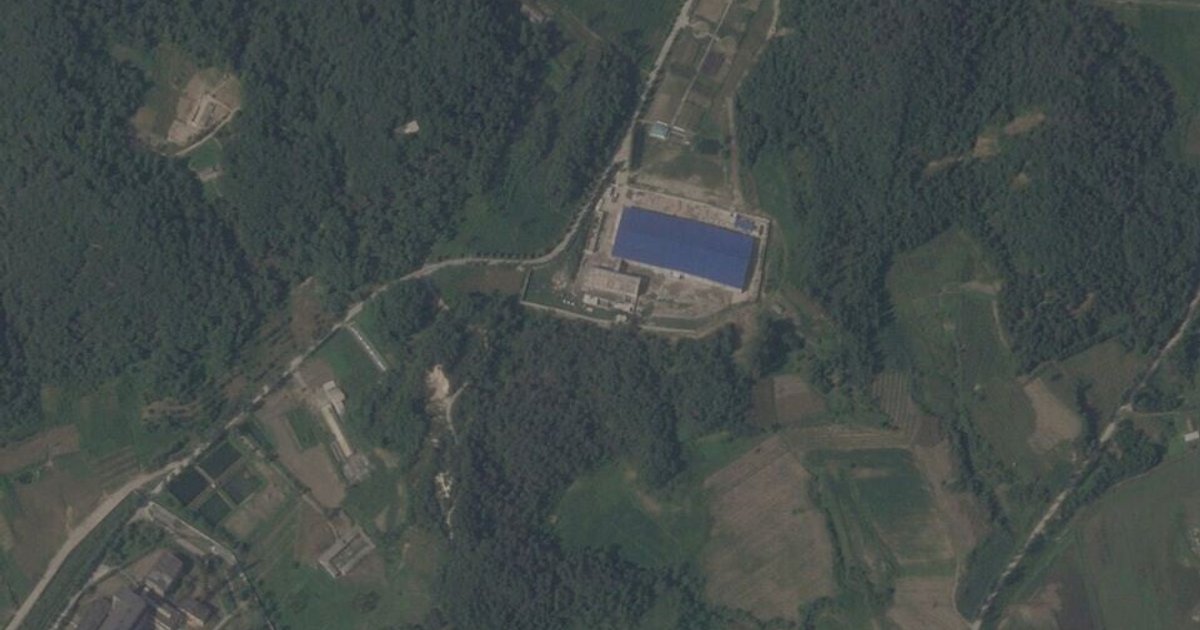
The International Atomic Energy Agency (IAEA) has confirmed that North Korea has constructed a second uranium enrichment facility at its Yongbyon nuclear complex, capable of housing up to 28 centrifuge cascades. A separate enrichment facility at Kangson near Pyongyang has also begun operating since January. The IAEA Director General Rafael Grossi told the UN Security Council on September 8 that these developments represent a matter of serious concern, as North Korea continues to expand its nuclear weapons program in violation of UN Security Council resolutions.
Key Points
- The IAEA identified a new two-story building within the Yongbyon nuclear facility complex as the second uranium enrichment site, verified by comparing satellite imagery with photos of Kim Jong-un's June inspection tour
- The new Yongbyon facility can accommodate up to 28 centrifuge cascade units, with imagery confirming centrifuges installed on both floors of the building
- The Kangson uranium enrichment facility, expanded in 2024 and located near Pyongyang, shows signs of having commenced operations since January 2026
- The IAEA has not had inspectors on the ground in North Korea since 2009, relying instead on satellite imagery and North Korean state media photographs to track nuclear activities
- Director General Rafael Grossi stated on September 8 that the continued operation of enrichment facilities and reported expansion of weapons-grade nuclear material production represent a serious cause for concern
Why It Matters
North Korea's expansion of uranium enrichment infrastructure at multiple sites demonstrates a systematic effort to increase weapons-grade nuclear material production capacity . The IAEA's inability to conduct on-site inspections since 2009 leaves the international community largely dependent on imperfect intelligence sources to monitor North Korea's nuclear advancement, undermining global non-proliferation efforts and potentially triggering regional arms races in Northeast Asia .
North Korea's expansion of uranium enrichment infrastructure at multiple sites demonstrates a systematic effort to increase weapons-grade nuclear material production capacity . The IAEA's inability to conduct on-site inspections since 2009 leaves the international community largely dependent on imperfect intelligence sources to monitor North Korea's nuclear advancement, undermining global non-proliferation efforts and potentially triggering regional arms races in Northeast Asia .