New Huanggang Port Opens Registration for Co-Inspection Self-Service Lanes
HK01 · 7 SOURCESabout 2 hours ago2 MIN
Summary
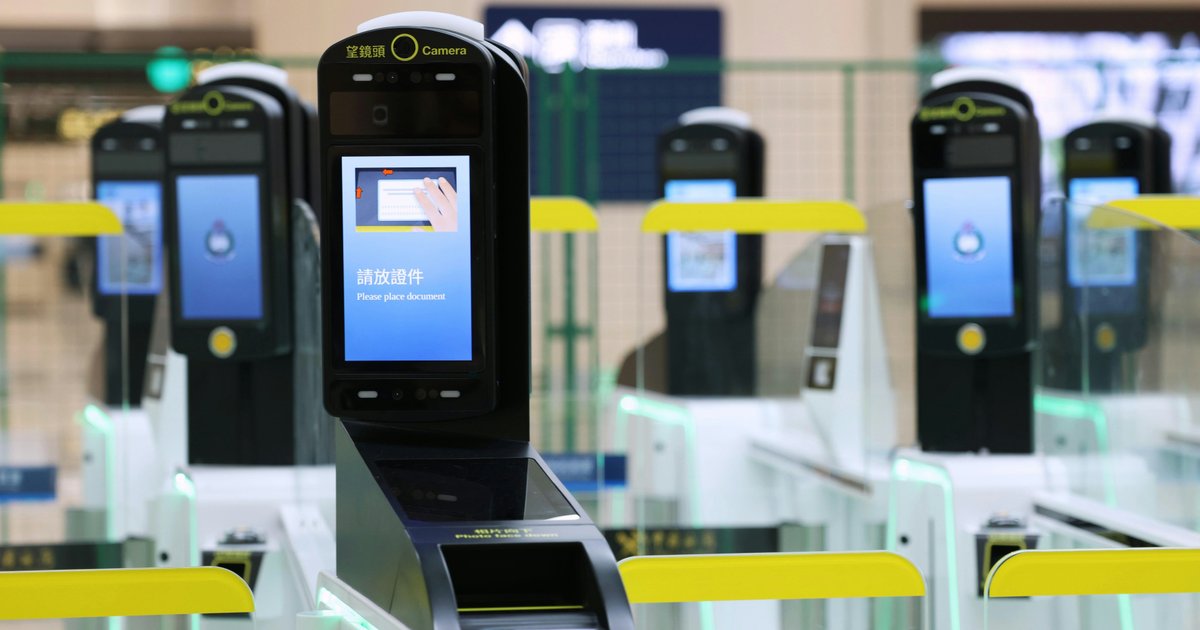
The Immigration Department announced that eligible Hong Kong residents aged 7 and above can register starting today (October 6) for the new Huanggang Port's co-inspection self-service channels, which promise to cut crossing times from 30 minutes to approximately 5 minutes . The 134 new channels operate under a groundbreaking "co-inspection, one-time clearance" model set to transform cross-border travel between Hong Kong and Shenzhen . Registration is available via the Hong Kong e-Channel mobile app, on-site registration counters, self-service kiosks, or directly at the self-service lanes for those aged 18 and above .
Key Points
- Hong Kong residents aged 7+ with valid Hong Kong ID and Home Return Permit who have registered for mainland's fast-track channels can now enroll
- Passengers complete both exit and entry procedures in approximately 20 seconds by queuing once and presenting documents once
- The new passenger terminal features 134 co-inspection self-service channels and 68 traditional counters across floors 4 and 5
- Residents aged 14+ can additionally register for face-scan clearance, eliminating the need to present physical documents
- Vehicle processing time compresses from 10 minutes to roughly 2 minutes through the 28 five-in-one combined vehicle lanes
Why It Matters
The new Huanggang Port is expected to handle at least 100,000 cross-border travelers daily upon opening, rising to 200,000 during peak periods and potentially 300,000 in future, supporting the growing integration between Hong Kong and the Greater Bay Area . The innovative co-inspection model eliminates redundant border procedures, positioning Hong Kong as a leader in efficient cross-border infrastructure and reinforcing the city's role as a gateway between the Mainland and international markets .
The new Huanggang Port is expected to handle at least 100,000 cross-border travelers daily upon opening, rising to 200,000 during peak periods and potentially 300,000 in future, supporting the growing integration between Hong Kong and the Greater Bay Area . The innovative co-inspection model eliminates redundant border procedures, positioning Hong Kong as a leader in efficient cross-border infrastructure and reinforcing the city's role as a gateway between the Mainland and international markets .