Former Sinochem executive jailed 19 years for graft
On.cc · 1 SOURCESabout 3 hours ago6 MIN
Summary
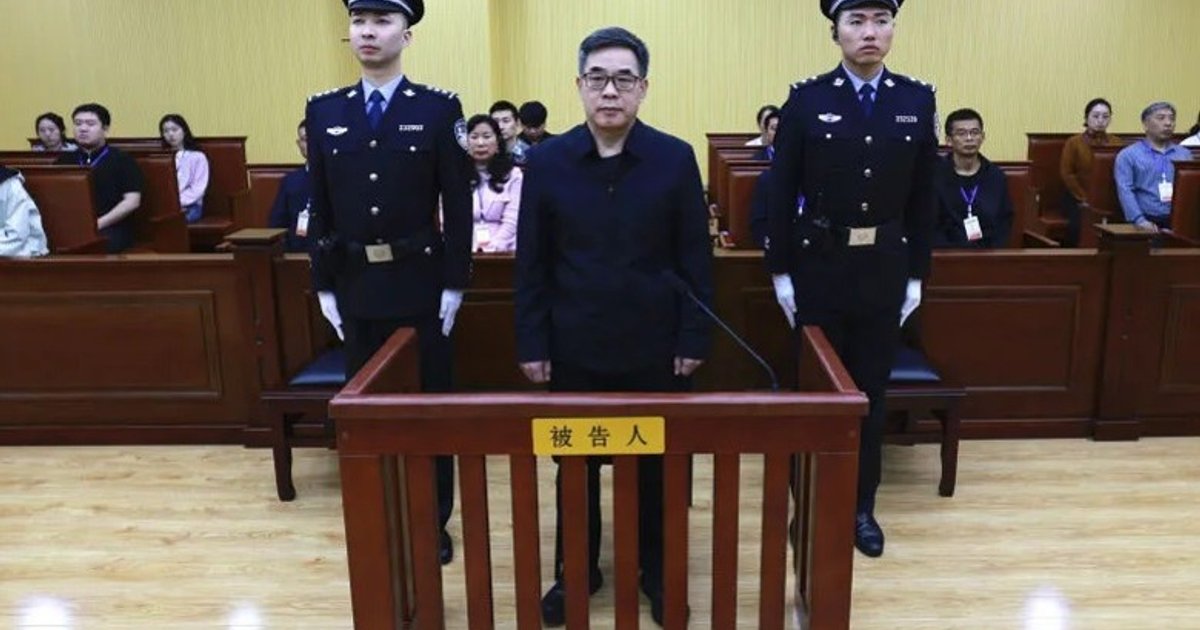
The Intermediate People's Court of Daqing in Heilongjiang publicly delivered a first-instance verdict on Monday, September 21, against Feng Zhibin (馮志斌), a former member of the leading Party group and vice general manager of Sinochem Group, in cases involving bribery, bribery through influence, and abuse of power by personnel of a state-owned company.
The court imposed a combined sentence of 19 years' imprisonment and a fine of 7 million yuan after convicting him on multiple counts.
According to the court's findings, Feng used positions at Sinochem Group, Sinochem Lantian Group and Sinochem Fertilizer Co., Ltd. between 2003 and 2022 to help companies and individuals in business operations and equity acquisitions, illegally accepting property worth more than 60.71 million yuan.
The court also found that after leaving office, he continued to profit from his former authority and influence, while an earlier abuse-of-power episode caused especially major losses to state interests.
Key Points
- The Daqing Intermediate People's Court in Heilongjiang announced the first-instance judgment publicly on Monday, September 21, against former Sinochem executive Feng Zhibin.
- Feng was convicted of bribery, bribery through influence, and abuse of power by personnel of a state-owned company, with sentences combined into 19 years.
- From 2003 to 2022, he used roles across Sinochem Group, Sinochem Lantian Group and Sinochem Fertilizer to seek benefits and took over 60.71 million yuan.
- From 2022 to 2025 after leaving office, he used influence derived from former positions to help units win projects and accepted over 9.87 million yuan.
- The court said his abuse of power from 2011 to 2012, done for personal favoritism, caused serious losses to a state-owned company and especially major damage to state interests.
Why It Matters
For Hong Kong readers, the case is a reminder that corruption prosecutions on the mainland can extend across long careers, multiple affiliated companies and even conduct after retirement or departure from office.
It also shows courts are treating both direct bribery and the use of residual political or corporate influence as punishable conduct, while still reducing sentences when defendants confess, show remorse and return illicit gains.