Lawmaker Urges Textbook Aid Return, Anti-Bundling Rules
SingTao · 3 SOURCESabout 17 hours ago2 MIN
Summary
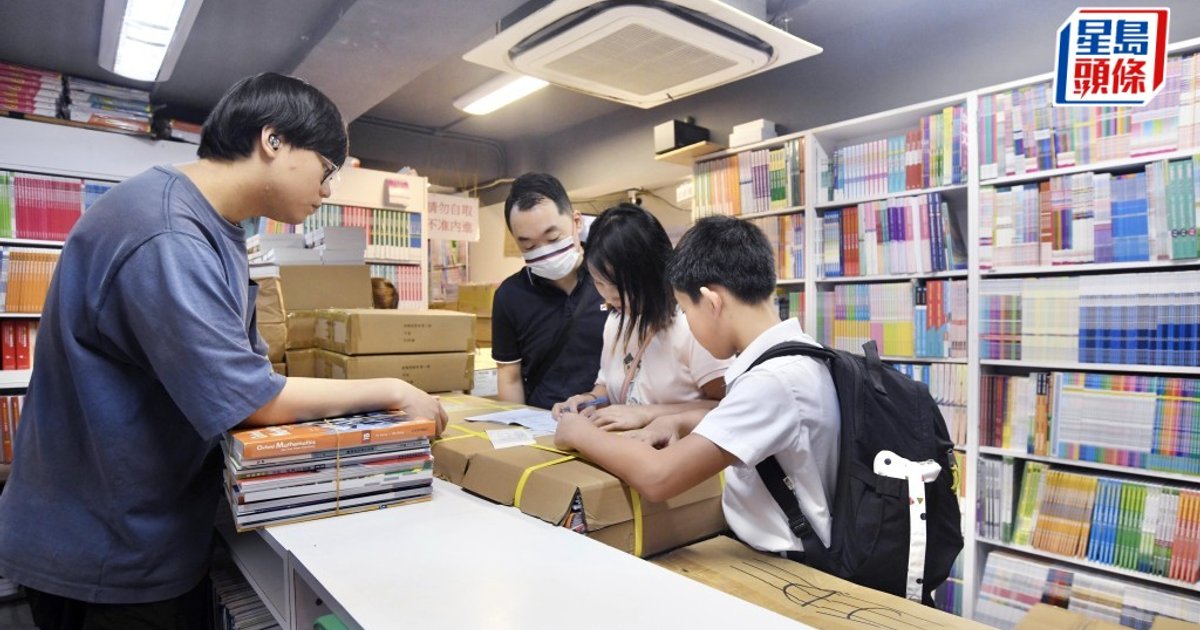
Hong Kong lawmaker Chan Man-yi said the cost of buying school textbooks has become a heavy burden for grassroots families, especially as some Secondary One book sets are priced at close to HK$7,000 and some lists have risen 14.7% from a year earlier . She argued that yearly-updated electronic activation codes amount to disguised price increases because students using second-hand books may still be forced to buy new sets to access assignments and digital materials . Chan called on the Education Bureau to relax the income ceiling for full textbook assistance, link subsidy levels to the Composite Consumer Price Index, and restore targeted student grants after the annual HK$2,500 subsidy was scrapped for the 2025/26 school year . She also urged stronger administrative regulation requiring publishers to show separate prices for printed books and e-codes and preventing de facto bundled sales .
Key Points
- Chan Man-yi said buying textbooks alone can consume nearly 30% of monthly income for a family earning just over HK$10,000 with two children .
- Reports cited by Chan said some Secondary One textbook sets cost nearly HK$7,000, while another school's book prices rose about 15% year on year .
- She said annually renewed electronic activation codes block families from relying on second-hand books, because students may be unable to complete assignments without them .
- Chan proposed raising the full-grant income ceiling by about 20%; for a three-person household, the threshold would increase to around HK$65,000 .
- She suggested restoring HK$1,000 to HK$1,500 in targeted learning support for students receiving full or half textbook subsidies after the HK$2,500 grant cancellation .
Why It Matters
The dispute highlights how digital learning tools can increase education costs when access codes are tied to new textbook purchases, weakening the second-hand market that lower-income families traditionally rely on . It also raises broader questions about whether existing student assistance schemes still match inflation and the real cost of schooling in Hong Kong .